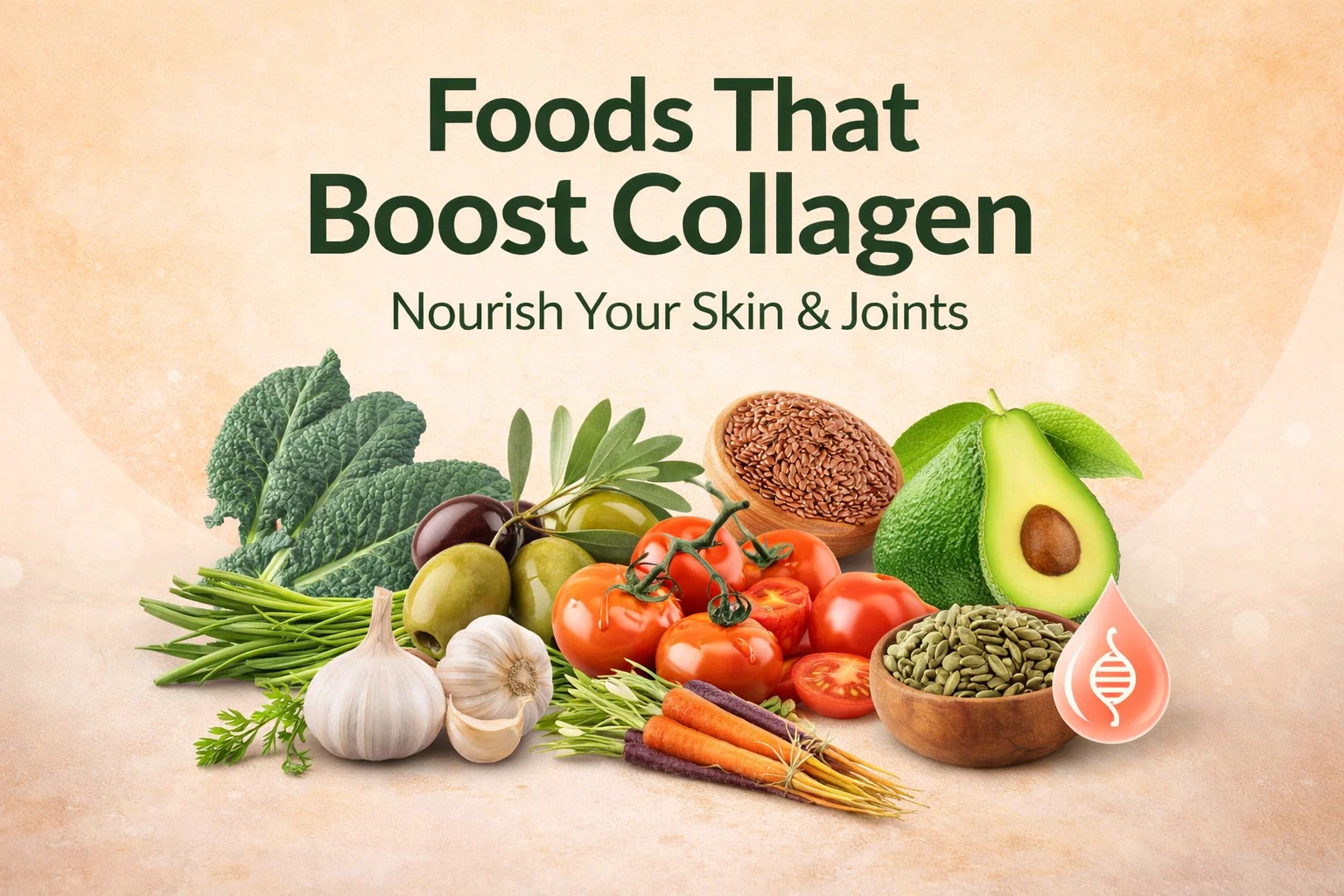
Top 9 Foods That Boost Collagen Production Naturally for Glowing Skin
Achieving healthy, radiant, and firm skin is a goal shared by many, but the secret to success often lies in what we put on our plates rather than just what we apply topically. While many turn to expensive creams and serums, the foundation of skin health begins deep within the body through the synthesis of collagen. Collagen is the most abundant protein in our body, acting like the structural glue that keeps our skin smooth, supple, and elastic. As we age, our natural production of this vital protein begins to decline, leading to fine lines and loss of firmness. The good news is that by focusing on a nutrient-dense diet, you can provide your body with the essential building blocks it needs to support its own collagen production.
Understanding how certain foods interact with your skin’s biological processes can transform your wellness journey. You do not need complicated protocols to see results. By focusing on whole foods that contain specific vitamins, minerals, and amino acids, you are giving your body the tools to repair and regenerate skin cells effectively. Let us dive into the science-backed foods that can help you maintain that youthful glow.
The Role of Vitamin C and Antioxidants
When it comes to collagen synthesis, Vitamin C is an absolute superstar. It serves as a necessary cofactor for the enzymes that stabilize the collagen structure within your skin. Without adequate Vitamin C, your body simply cannot cross-link collagen fibers properly, which can weaken the skin’s matrix over time.
The Power of Vegetables
Dark leafy greens, such as Swiss chard and kale, are powerhouses in this department. They are not only packed with Vitamin C but also contain high levels of chlorophyll, which studies suggest may increase the amount of procollagen in the skin. Including these greens in your daily salads or smoothies is one of the easiest ways to support long-term structural health.
Similarly, tomatoes are a fantastic choice because they contain lycopene, a potent antioxidant. Think of lycopene as a natural defense system that helps protect your skin from damage caused by UV rays, which are notorious for breaking down existing collagen. By eating tomatoes, you are essentially providing your skin with a shield against environmental stressors.
Essential Fatty Acids for Hydration and Elasticity
Healthy fats are often misunderstood, but they are absolutely essential for maintaining the lipid barrier of your skin. If your skin barrier is compromised, moisture escapes more easily, making fine lines appear deeper and more pronounced. Incorporating sources of healthy fats ensures that your skin remains hydrated and supple.
Avocados and Olives
Avocados are rich in vitamin E and healthy monounsaturated fats. Vitamin E is a fat-soluble antioxidant that protects the skin from oxidative damage. Meanwhile, the monounsaturated fats found in avocados and olives (including extra virgin olive oil) help maintain the skin’s structural integrity. These healthy fats help keep the skin flexible, allowing it to “bounce back” rather than becoming thin or brittle.
Flax Seeds and Healthy Fats
Flax seeds are another excellent addition to your diet. They are a great source of alpha-linolenic acid, a type of omega-3 fatty acid. Omega-3s are well-known for their anti-inflammatory properties. Because inflammation is a major driver of collagen degradation, keeping inflammation levels low through diet is a highly effective way to preserve the collagen you already have.
Mineral-Rich Foods for Structural Support
Building collagen requires more than just vitamins. It also relies on specific minerals that act as catalysts for various biological reactions. If you are missing these key minerals, the entire process of structural repair can slow down significantly.
Garlic and Sulfur
Garlic is perhaps one of the most underrated ingredients for skin health. It is incredibly rich in sulfur, a mineral that is essential for collagen synthesis. Sulfur helps prevent the breakdown of collagen by inhibiting the activity of enzymes that degrade it. Adding more garlic to your roasted vegetables, stir-fries, or soups is a simple way to boost your sulfur intake.
The Importance of Zinc and Selenium
Pumpkin seeds are a fantastic source of zinc and selenium. Zinc is a trace mineral that plays a crucial role in cell turnover and repair. It is also a key component in the production of enzymes that facilitate collagen synthesis. Similarly, selenium helps protect the skin from damage and supports overall skin elasticity. A small handful of pumpkin seeds as a snack can provide your body with the mineral boost it needs to keep your skin looking resilient.
Root Vegetables like Carrots
Carrots are famous for their high beta-carotene content, which the body converts into Vitamin A. Vitamin A is legendary in the skincare world for its ability to promote cell turnover and boost collagen production. By eating colorful root vegetables, you are providing your body with the raw materials to keep your skin looking fresh and clear.
Building a Lifestyle for Radiant Skin
While food is the most powerful tool in your kit, it works best when paired with a healthy lifestyle. Your body needs hydration to transport these nutrients efficiently to your skin cells. Furthermore, avoiding excessive sugar is vital because of a process called glycation. When sugar levels in the blood spike, they can bind to proteins like collagen, making them stiff and dysfunctional. This process effectively weakens your skin’s support structure.
Prioritizing sleep is another non-negotiable factor. It is during deep sleep that your body shifts into repair mode, utilizing the nutrients you consumed throughout the day to regenerate tissues and produce new collagen. By combining a diet rich in greens, healthy fats, sulfur-containing foods, and mineral-packed seeds with proper hydration and rest, you are building a holistic routine that supports your skin from the inside out.
Conclusion
There is no magic pill for perfectly firm skin, but the foods we choose to eat play a massive role in how we age and how our skin functions. By focusing on whole, nutrient-dense ingredients like leafy greens, healthy fats, and mineral-rich seeds, you provide your body with the exact building blocks required to maintain and rebuild collagen. Start by making small, consistent changes, such as adding a serving of greens to your lunch or snacking on pumpkin seeds. Over time, these small adjustments create a significant foundation for healthier, more resilient skin that truly glows from within.