7 Surprising Chia Seed Benefits Superfood Nutrition Guide for Health
You have likely seen those tiny, speckled seeds sitting in glass jars at health food stores or sprinkled over fancy avocado toast. While they might look like simple poppy seeds at first glance, chia seeds are arguably one of the most nutrient dense substances on the planet. If you are looking to transform your diet without radically changing every meal you eat, understanding the nutritional profile of these little powerhouses is the perfect place to start. The data on their benefits is not just marketing hype; when you compare them gram for gram against traditional health foods, the results are genuinely staggering.
The Nutritional Math: Why Chia Seeds Outperform the Classics
Most of us grew up being told to drink milk for calcium, eat spinach for iron, and consume salmon for healthy fats. While those are all excellent choices, the humble chia seed offers a concentrated alternative that fits easily into almost any lifestyle. When we look at the numbers, it becomes clear why nutritionists refer to them as a superfood. They offer a unique combination of macronutrients and micronutrients that support everything from bone density to heart health.
A Protein Powerhouse for Plant Based Diets
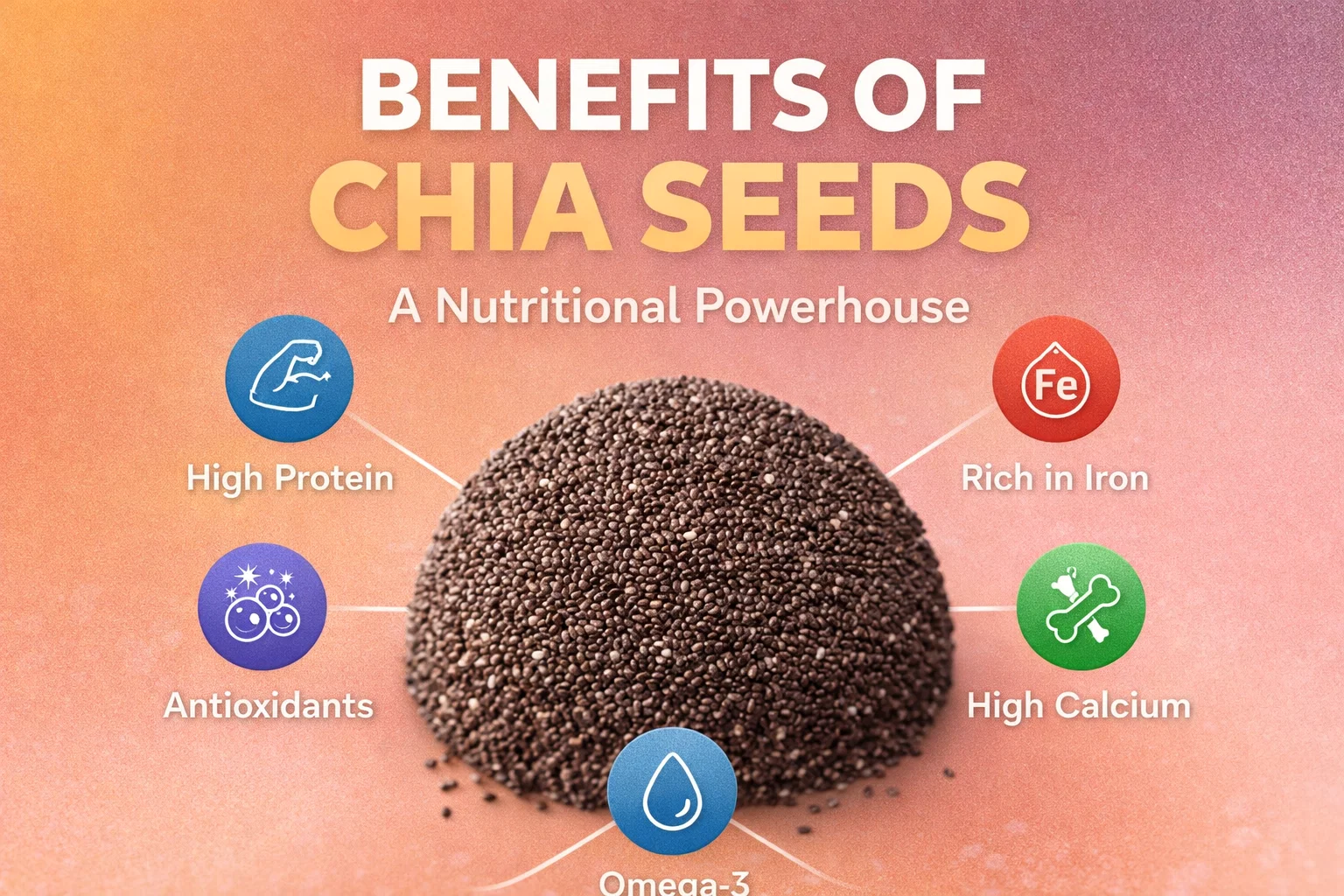
One of the most surprising facts about chia seeds is their protein content. For individuals following a vegetarian or vegan diet, finding high quality protein sources is a top priority. While beans have long been the gold standard for plant protein, chia seeds actually contain significantly more protein by weight. This makes them an incredible tool for muscle recovery and metabolic health. Adding a few tablespoons to your morning routine can help keep you satiated much longer than a standard carbohydrate heavy breakfast.
The Ultimate Source of Omega 3 Fatty Acids
We often associate Omega 3s with cold water fish like salmon. These essential fats are crucial for reducing inflammation and supporting brain function. However, chia seeds are one of the richest plant sources of alpha linolenic acid (ALA). In fact, they contain more Omega 3s than salmon when measured by weight. This is fantastic news for anyone who wants to support their cardiovascular system but prefers to avoid fish or is concerned about mercury levels in seafood.
Better Than Spinach? The Iron and Calcium Connection
Minerals are the unsung heroes of our biology. They regulate our heartbeat, build our bones, and transport oxygen through our blood. Many people struggle with iron or calcium deficiencies, often turning to supplements that can be hard on the digestive system. Chia seeds provide a bioavailable, food based solution to these common nutritional gaps.
Boosting Iron Levels Naturally
Spinach has a reputation for being the ultimate iron source, thanks in part to pop culture icons like Popeye. But if you look at the raw data, chia seeds actually offer about 200 percent more iron than spinach. Iron is essential for energy levels because it helps your red blood cells carry oxygen to your brain and muscles. If you find yourself feeling sluggish in the afternoon, swapping your usual snack for a chia pudding might provide the natural lift you need.
Bone Health Beyond the Dairy Aisle
The comparison to milk is perhaps the most shocking. Most people are raised to believe that dairy is the only way to get sufficient calcium. However, chia seeds contain roughly five times the calcium of milk. This makes them a vital resource for people who are lactose intolerant or those who simply choose to avoid dairy. Calcium is not just for bones; it also plays a role in nerve signaling and muscle function.
Fiber and Antioxidants: The Secret to Longevity
Digestive health is the foundation of overall wellness. Without a healthy gut, your body cannot properly absorb the nutrients you are consuming. This is where the fiber content of chia seeds truly shines. Unlike many grains that can be inflammatory, chia seeds provide a gentle, soothing form of fiber that supports a healthy microbiome.
Double the Fiber of a Banana
Bananas are often praised for their fiber and potassium, but a single serving of chia seeds can provide double the fiber. Most of this is soluble fiber, which turns into a gel like substance when it hits water. This gel slows down the absorption of sugar into your bloodstream, preventing those dreaded energy crashes and keeping your insulin levels stable. It also acts as a broom for your digestive tract, helping to keep things moving regularly.
The Antioxidant Shield
Antioxidants are your body’s primary defense against oxidative stress and aging. While blueberries are famous for their antioxidant capacity, chia seeds are right up there with them. These antioxidants protect the sensitive fats within the seeds from going rancid, and they do the same for your cells. By neutralizing free radicals, the compounds in chia seeds help protect your skin, your heart, and your DNA from damage.
How to Incorporate Chia Seeds into Your Daily Routine
Knowing the benefits is one thing, but actually eating them is another. The beauty of chia seeds lies in their neutrality. They do not have a strong flavor, which means they can be hidden in almost any dish without ruining the taste. Here are a few simple ways to start using them today:
- The Chia Egg: Mix one tablespoon of seeds with three tablespoons of water and let it sit for ten minutes. This creates a gel that can replace a real egg in baking recipes.
- Smoothie Boost: Toss a tablespoon into your blender. You will get all the nutrients without changing the flavor of your fruit.
- Overnight Oats: Mix them with oats and almond milk in the evening. By morning, you will have a thick, creamy breakfast waiting for you.
- Salad Topping: Sprinkle them dry over salads for a bit of extra crunch and a massive nutritional upgrade.
The Importance of Hydration
Because chia seeds can absorb up to twelve times their weight in water, it is very important to stay hydrated when you increase your intake. If you eat them dry, they will pull moisture from your body as they digest. Most experts recommend soaking them beforehand or ensuring you drink an extra glass of water with your meal to get the best results.
Addressing Common Myths About Superfoods
Whenever a food gets labeled as a “superfood,” a bit of skepticism is healthy. Is it really a miracle cure? Of course not. No single food can fix a poor lifestyle. However, chia seeds are one of the few items that actually live up to the title because of their density. You do not need to eat a bucket of them to see the benefits; just two tablespoons a day can provide a significant portion of your recommended daily intake for several key nutrients.
Can You Eat Too Many?
While they are incredibly healthy, moderation is still key. Because of their high fiber content, introducing too many too quickly can cause temporary bloating if your body is not used to it. Start with a small teaspoon and work your way up to a full serving over a week or two. This gives your gut bacteria time to adjust to the new fiber load.
Conclusion: Small Seeds, Massive Impact
In a world where healthy eating often feels complicated and expensive, chia seeds offer a breath of fresh air. They are shelf stable, relatively affordable, and packed with more nutrition than many of the staples we have relied on for decades. From providing more calcium than milk to offering a higher antioxidant count than berries, these seeds prove that size is not an indicator of strength.
By making one small adjustment to your pantry, you are giving your body the tools it needs to fight inflammation, build strong bones, and maintain steady energy levels throughout the day. Whether you are an athlete looking for a performance edge or a busy parent trying to sneak some extra vitamins into a smoothie, chia seeds are a versatile and effective solution. Start small, get creative with your recipes, and enjoy the long term benefits of this ancient nutritional powerhouse.
Would you like me to generate a 7-day meal plan featuring these seeds or perhaps a list of the best brands to buy?