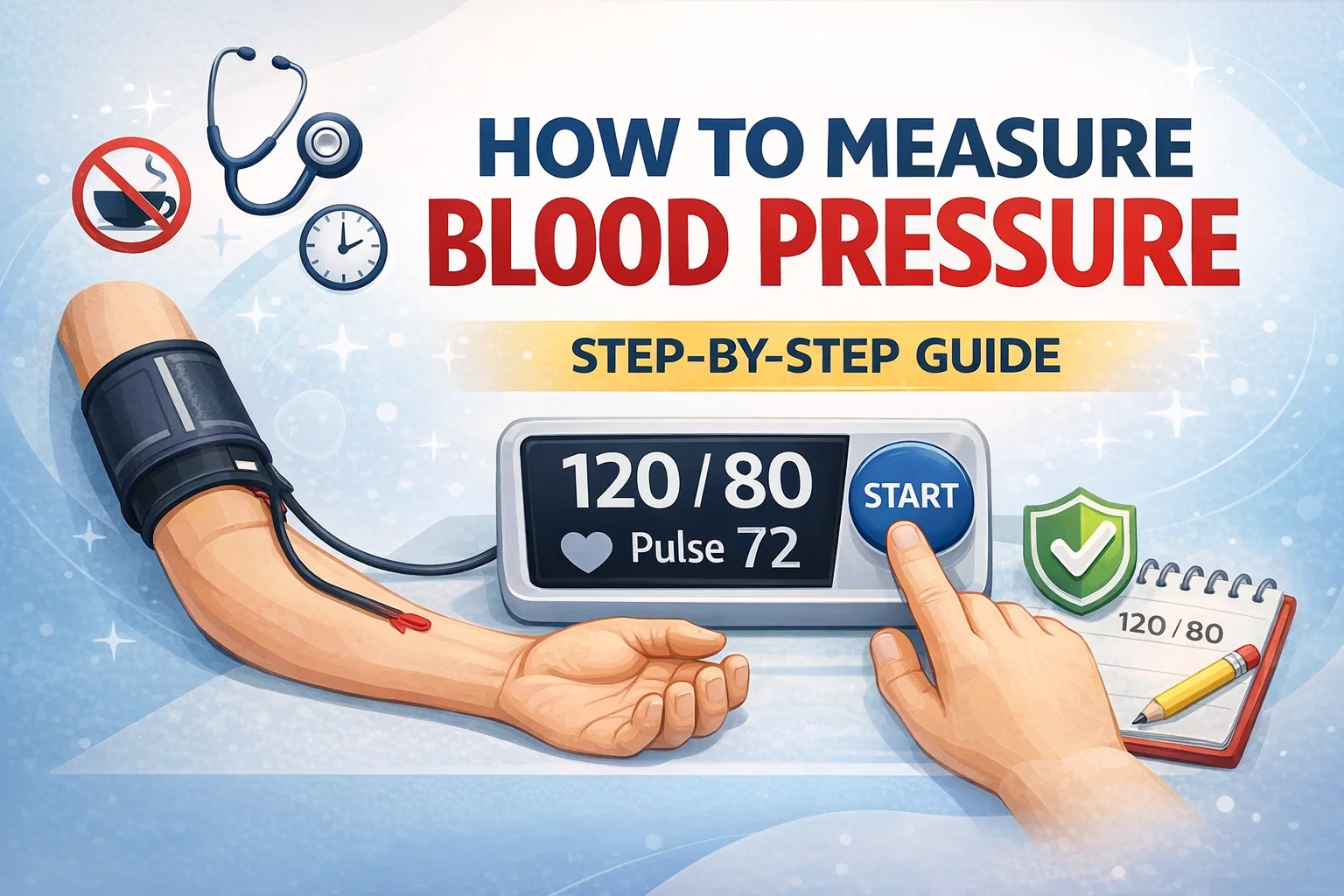
How to Take Blood Pressure at Home Correct Position, Step-by-Step Guide Chart Meaning
Taking your blood pressure at home is one of the most proactive steps you can take to manage your long term health. Whether you are managing hypertension or simply want to keep an eye on your cardiovascular wellness, knowing how to get an accurate reading is essential. Many people are surprised to learn that simple factors like having a full bladder or sitting with crossed legs can significantly swing your numbers, leading to unnecessary anxiety or even incorrect medication adjustments. This comprehensive guide walks you through every detail of the process, ensuring you feel confident and informed every time you wrap that cuff around your arm.
The Importance of Preparation Before You Start
You cannot simply rush from a busy task and expect an accurate blood pressure reading. Your body needs time to reach a resting state. Think of your blood pressure as a dynamic measurement that reacts to everything around you. To get a baseline that reflects your true health, you must eliminate external stimulants and physical stressors at least thirty minutes before you begin.
Avoid Stimulants and Activity
Caffeine and nicotine are two of the biggest culprits when it comes to temporary spikes in blood pressure. If you have just finished a cup of coffee or a cigarette, your heart rate and arterial pressure will be elevated. It is best to wait at least half an hour after consuming these substances. Similarly, exercise or heavy lifting should be avoided immediately before a test. Your goal is to capture your body at its most relaxed state.
The Five Minute Rest Rule
Once you are ready to take your measurement, sit down in a quiet space and just breathe. Do not check your emails, do not scroll through social media, and do not engage in intense conversations. Setting a timer for five minutes of pure stillness allows your nervous system to settle. This brief period of calm ensures that the numbers on the screen represent your resting heart and vascular health rather than your reaction to a stressful day.
The Empty Bladder Factor
It might sound strange, but a full bladder can actually add several points to your systolic and diastolic readings. When your bladder is full, it puts pressure on your kidneys and triggers a mild stress response in the body. Always make a quick trip to the bathroom before you settle in for your reading to ensure maximum accuracy.
Mastering the Correct Body Position
Positioning is perhaps the most overlooked aspect of home monitoring. If your body is not aligned correctly, gravity and muscle tension can distort the results. Achieving the perfect posture is a fundamental requirement for a medical grade measurement.
Back Supported and Feet Flat
Sit in a sturdy chair with a backrest rather than on a soft sofa or a stool. Your back should be straight and well supported. Equally important is the position of your legs. You must keep your feet flat on the floor. Crossing your legs at the knees or ankles can increase blood pressure by compressing the veins in your legs, which forces the heart to work harder to circulate blood. Keep your lower body relaxed and grounded.
Arm Placement at Heart Level
Your arm should be resting on a flat surface, such as a table or desk, so that the middle of the cuff is at the same vertical level as your heart. If your arm is too low, the reading will be falsely high. If it is too high, the reading will be falsely low. Use a small pillow or a folded towel if you need to adjust the height to ensure your arm is comfortably supported without you having to hold it up with your own muscle strength.
Dress for Success
Avoid taking your blood pressure over thick clothing or tightly rolled up sleeves. A sleeve that is pushed up too high can act as a tourniquet, constricting the arm and giving an inaccurate reading. It is always best to place the cuff on a bare arm. If you must wear clothes, ensure the fabric is very thin and does not bunch up under the cuff.
Step By Step Guide to Using Your Monitor
Once you are positioned correctly and relaxed, it is time to use the device. Most modern digital monitors are designed for ease of use, but following the correct sequence is vital for consistency.
- Wrap the Cuff: Place the cuff on your bare upper arm, about one inch above the bend of your elbow. It should be snug but not painful. You should be able to slide two fingertips under the cuff.
- Align the Sensor: Most cuffs have a marker or a tube that indicates where the brachial artery is located. Ensure this marker is centered on the inside of your arm where you feel your pulse.
- Stay Still and Silent: This is the most important part of the actual measurement. Do not talk, do not move your hands, and do not shift your weight. Even small movements or speaking can cause a temporary jump in pressure.
- Press Start: Activate the machine and breathe naturally. Avoid holding your breath while the cuff inflates and deflates.
Understanding the Numbers: What Do They Mean?
When the machine finishes its cycle, you will see two main numbers and a pulse rate. Understanding these categories helps you know when to stay the course and when to call a professional.
Systolic vs Diastolic
The top number is the Systolic pressure, which measures the force your heart exerts on the walls of your arteries each time it beats. The bottom number is the Diastolic pressure, which measures the force on your arteries when the heart rests between beats. Both are equally important for assessing your cardiovascular risk.
The Health Categories
Normal: A reading of less than 120/80 mmHg is considered the gold standard for heart health. If you are in this range, keep up your healthy habits.
Elevated: This is defined as a systolic pressure between 120 and 129, while the diastolic remains below 80. This is a warning sign that you may develop hypertension unless lifestyle changes are made.
Hypertension Stage 1 and 2: If your numbers consistently hit 130/80 or higher, you are in the hypertension range. This requires a conversation with your doctor to discuss diet, exercise, or potential medication.
Hypertensive Emergency: If your reading reaches 180/120 or higher, wait five minutes and test again. If it remains this high, seek medical attention immediately, especially if you feel chest pain, shortness of breath, or vision changes.
Tips for Long Term Tracking
A single reading is just a snapshot in time. To truly understand your health, you need to look at the bigger picture. Consistency is the secret to successful health management.
Create a Routine
Try to take your blood pressure at the same time every day. Many people find that taking a reading once in the morning before breakfast and once in the evening before bed provides the most reliable data. This helps you and your doctor see how your body reacts throughout the day without the interference of daily stressors.
Keep a Written Log
While many digital monitors store previous readings, keeping a manual log or using a dedicated app can be very helpful. Record the date, time, and the numbers. You might also want to jot down if you felt particularly stressed or if you had a very salty meal the night before, as these notes provide valuable context for your healthcare provider.
Calibrate Your Device
Even the best home monitors can lose accuracy over time. It is a good idea to take your home monitor to your next doctor appointment. You can compare the results from your device with the professional equipment used in the office to ensure your home readings are reliable.
The Power of Knowing Your Numbers
Taking control of your health starts with the data you collect at home. By following these steps, you eliminate the variables that lead to incorrect readings and “White Coat Hypertension,” which is when your pressure rises simply because you are in a medical office. Home monitoring empowers you to have more meaningful conversations with your doctor and gives you peace of mind knowing that you are looking after your heart.
Remember that blood pressure management is a journey. Small changes in your daily routine, such as reducing sodium intake, increasing physical activity, and practicing stress management, can have a profound impact on these numbers over time. By accurately tracking your progress, you can see the direct results of your hard work and stay motivated on your path to wellness. Grab your cuff, find a quiet spot, and start your journey toward a healthier heart today. Save this guide so you always have the correct steps at your fingertips!