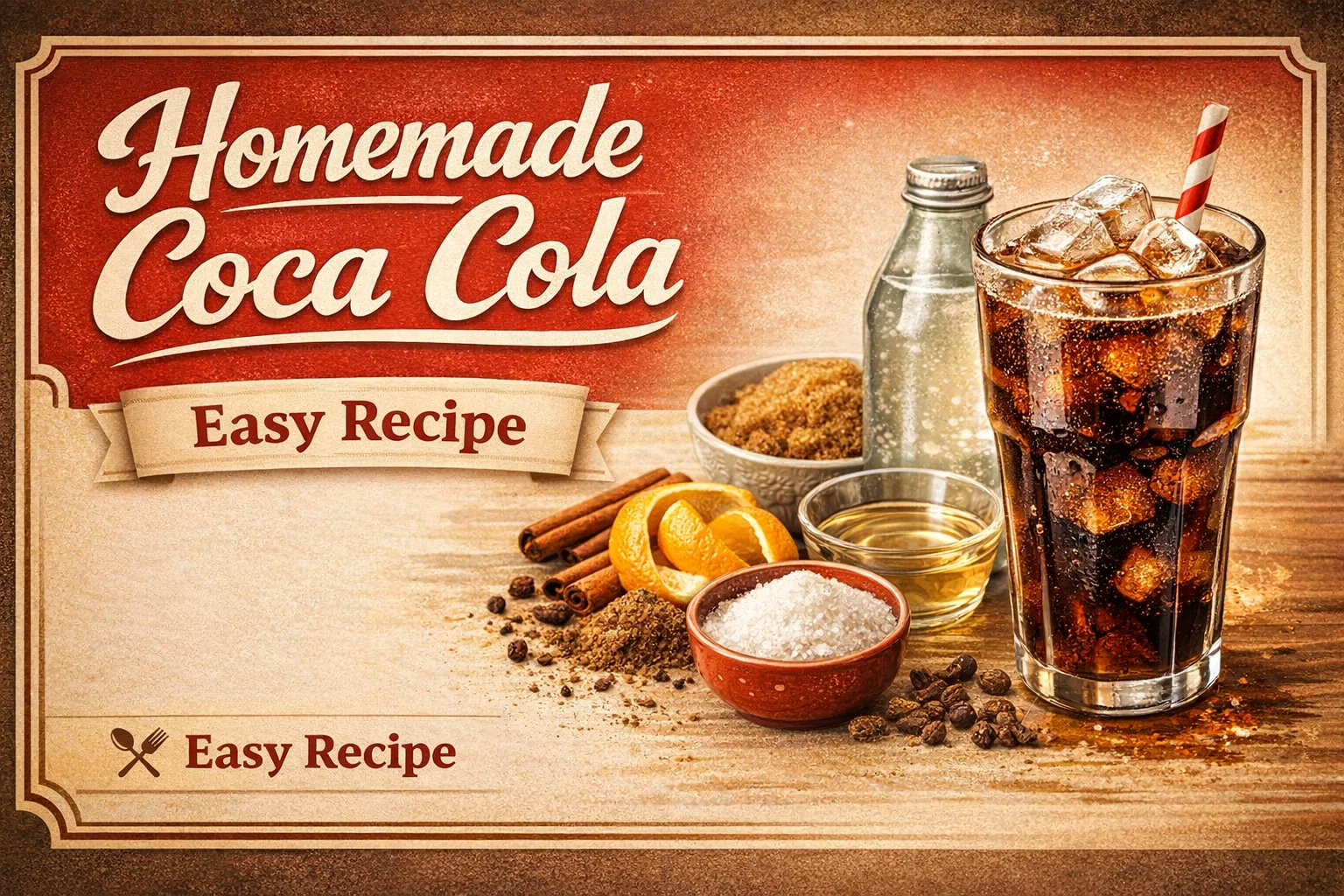
Homemade Coca Cola Recipe DIY Natural Soda Syrup Easy Scratch Kitchen Beverage Ideas
There is something undeniably nostalgic about the sound of a soda can cracking open or the sight of bubbles dancing in a tall, iced glass. For decades, the recipe for the world’s most famous cola has been a guarded secret, locked away in vaults and spoken of in whispers. But what if you could bypass the laboratory-made high fructose corn syrup and the mysterious natural flavors for something more authentic? Making your own soda at home is not just a kitchen experiment; it is a way to reclaim the craft of beverage making. By using real spices, citrus, and sugars, you can create a syrup that rivals the commercial giants while offering a much more complex and rewarding flavor profile.
This journey into the world of DIY soda is perfect for those who enjoy the process of scratch cooking. It allows you to control exactly what goes into your glass, moving away from artificial preservatives and toward whole ingredients. Whether you are looking to reduce your environmental footprint by using a reusable carbonation system or you simply want to impress your friends at the next backyard gathering, this homemade cola syrup is the ultimate project. Let’s dive deep into the aromatics, the science of the syrup, and the step by step process of creating your very own signature soft drink.
The Essential Aromatics: What Makes Cola Taste Like Cola
Most people assume that cola is just a caramel-flavored sugar water, but the actual flavor profile is a sophisticated blend of citrus, spice, and herbal notes. When you analyze the ingredients of a traditional cola, you are looking at a recipe that has roots in 19th-century pharmacy. To achieve that iconic taste at home, we rely on a specific combination of ground spices and fresh zest that provide the “warmth” and “bite” associated with the classic drink.
The Role of Warm Spices
Cinnamon is the backbone of the cola flavor. It provides a woody sweetness that lingers on the palette. When paired with ground nutmeg, the profile becomes richer and more rounded. However, the real secret lies in the addition of ground ginger and cloves. Ginger adds a subtle heat that mimics the carbonation’s “sting,” while cloves provide a medicinal, aromatic depth that is characteristic of the original formula. These spices must be steeped carefully to ensure their volatile oils are fully released into the sugar base.
Citrus and Acid Balance
Without acidity, a cola would be cloyingly sweet and flat. Lemon juice and orange peel are critical for providing the bright, top notes that cut through the richness of the sugar. The oils found in the orange peel contain limonene, which gives the drink its refreshing scent. While the recipe is simple, using fresh lemon juice rather than bottled concentrates ensures a clean, crisp finish that feels much lighter on the tongue than mass-produced alternatives.
Understanding the Sugar Base: Brown vs. Granulated
The texture and color of your homemade cola depend entirely on your choice of sweeteners. In this version, we use a combination of light brown sugar and granulated white sugar. The granulated sugar provides a clean, neutral sweetness, while the brown sugar introduces molasses notes that contribute to the dark, amber hue and the “caramel” undertone essential for a cola. If you were to use only white sugar, the result would be more akin to a clear spice soda.
Some recipes call for light corn syrup as an optional addition. While not strictly necessary for flavor, corn syrup acts as an interfering agent. It helps prevent the sugars from crystallizing as the syrup cools, ensuring a silky-smooth consistency that pours easily and mixes instantly with soda water. For those who prefer to keep their kitchen strictly free of corn products, you can easily omit this or replace it with a small amount of honey or agave nectar, though these will slightly alter the final flavor profile.
The Science of Steeping and Straining
Creating a high-quality syrup is not just about boiling sugar; it is about extraction. When you add your cinnamon, nutmeg, ginger, and cloves to the hot sugar water, you are essentially creating a concentrated decoction. The heat breaks down the cellular walls of the ground spices, allowing the water and sugar molecules to bond with the aromatic compounds.
The steeping period of 20 to 30 minutes is the most crucial part of the process. If you rush this step, your cola will taste weak and sugary. If you steep for too long, the cloves and nutmeg can become overly bitter or astringent. Once the steeping is complete, straining through a fine-mesh sieve or cheesecloth is vital. This ensures that the final drink is clear and free of “gritty” spice particles, providing a professional mouthfeel that matches the appearance of a commercial soda.
Step by Step Guide to Crafting Your Syrup
Before you begin, ensure you have a clean glass bottle or jar ready for storage. Because this syrup contains fresh citrus juice and no artificial preservatives, it should be kept in the refrigerator and consumed within a few weeks. Follow these steps to ensure a perfect batch every time.
- Preparation: Measure out your 480 grams of water and your sugars. Precision in weighing ingredients ensures consistency between batches, which is a hallmark of a great developer in the kitchen.
- Dissolving the Base: Combine the water, brown sugar, and granulated sugar in a medium saucepan. Heat this over medium-high heat, stirring constantly until the liquid is clear and no sugar crystals remain at the bottom.
- The Infusion: Once the sugar is dissolved, whisk in your ground cinnamon, nutmeg, ginger, and cloves. Bring the mixture to a very gentle simmer, then immediately remove it from the heat. Cover the pan to trap the steam and oils, letting it sit for at least 20 minutes.
- The Final Flourish: After the steeping time, strain the mixture into a bowl. While the liquid is still warm but not boiling, stir in the vanilla extract and fresh lemon juice. The vanilla acts as a bridge, tying the citrus and spice notes together into a cohesive flavor.
- Cooling: Allow the syrup to reach room temperature before transferring it to the refrigerator. Chilling the syrup before use is essential for maintaining the carbonation of your soda water later on.
Mixing the Perfect Glass of Homemade Cola
The beauty of a homemade syrup is that you get to play the role of the soda jerk. Everyone has a different preference for how “strong” their soda should be. A standard starting point is a ratio of 1 part syrup to 6 parts soda water. For a standard 180 ml glass of sparkling water, about 15 to 30 grams of syrup usually hits the sweet spot.
To get the best results, always pour the soda water into the glass first, then slowly add the syrup. This prevents the carbonation from reacting too violently and bubbling over. Give it a very gentle stir with a long spoon to incorporate. Adding a large squeeze of fresh lime or a slice of lemon can elevate the drink even further, providing a “premium” craft soda experience. If you have a home carbonation machine, you can even carbonate the diluted mixture directly, though be careful as the sugar content can sometimes cause messes in certain machines.
Why DIY Soda is a Sustainable Choice
Beyond the taste, making your own beverages at home is a significant step toward a more sustainable lifestyle. The soda industry is one of the largest producers of single-use plastic and aluminum waste. By making a concentrated syrup at home, you are effectively eliminating the need for dozens of plastic bottles. One small jar of syrup can produce several liters of soda.
Furthermore, you are reducing the “water weight” transported during shipping. Commercial sodas are mostly water, which is heavy and carbon-intensive to move across the country. When you provide your own water and carbonation at home, you are only responsible for the small amount of ingredients that actually provide the flavor. It is an efficient, automated-friendly way to enjoy your favorite treats while staying mindful of your environmental impact.
Creative Variations to Try
Once you have mastered the basic recipe, you can start treating this as a base for further experimentation. The world of botanical sodas is vast, and small tweaks can lead to entirely new flavor profiles. Here are a few ideas to get you started:
Cherry or Vanilla Cola
To make a cherry cola, simply muddle a few fresh cherries into your syrup during the steeping phase or add a teaspoon of cherry juice to your glass. For an extra-vanilla punch, use a whole vanilla bean in the saucepan instead of extract. The tiny black seeds of the vanilla bean also add a beautiful, artisanal look to the syrup.
The Herbal Twist
For those who enjoy more complex, bitter notes, consider adding a small amount of dried lavender or even a star anise pod to the infusion. These ingredients lean into the “botanical” side of soda making and create a drink that feels more like a non-alcoholic craft cocktail than a standard soft drink.
Storing and Managing Your Homemade Pantry
As a developer of your own kitchen systems, organization is key. Label your syrup bottles with the date they were made. Since this recipe uses 5 grams of orange peel and fresh lemon juice, the acidity helps with preservation, but it is not infinite. To extend the shelf life, ensure your storage bottles are sterilized with boiling water before filling them.
If you find yourself making this frequently, you can double or triple the spice blend and store it in a small jar. This “cola spice mix” makes the next session even faster, allowing you to go from a craving to a finished syrup in under thirty minutes. It is all about optimizing your workflow to ensure that healthy, homemade alternatives are just as convenient as the store-bought versions.
Conclusion: The Joy of the Handcrafted Pour
Making homemade Coca Cola is a rewarding reminder that we don’t always have to rely on massive corporations for the flavors we love. It turns a simple afternoon into a culinary experiment and results in a product that is cleaner, fresher, and more tailored to your specific tastes. From the aromatic scent of cloves and cinnamon filling your kitchen to the first refreshing sip of a cold, bubbly glass, the process is pure magic.
The next time you are looking for a project that combines science, flavor, and a bit of nostalgia, reach for the spices and the sugar. You will find that the best cola in the world isn’t found on a grocery store shelf, it is the one you crafted yourself, one bubble at a time. Grab your soda water, ice, and a straw, and enjoy the fruits of your labor.
Would you like me to generate a specific list of the kitchen tools needed for this recipe or perhaps a set of social media captions to help you share your creation?