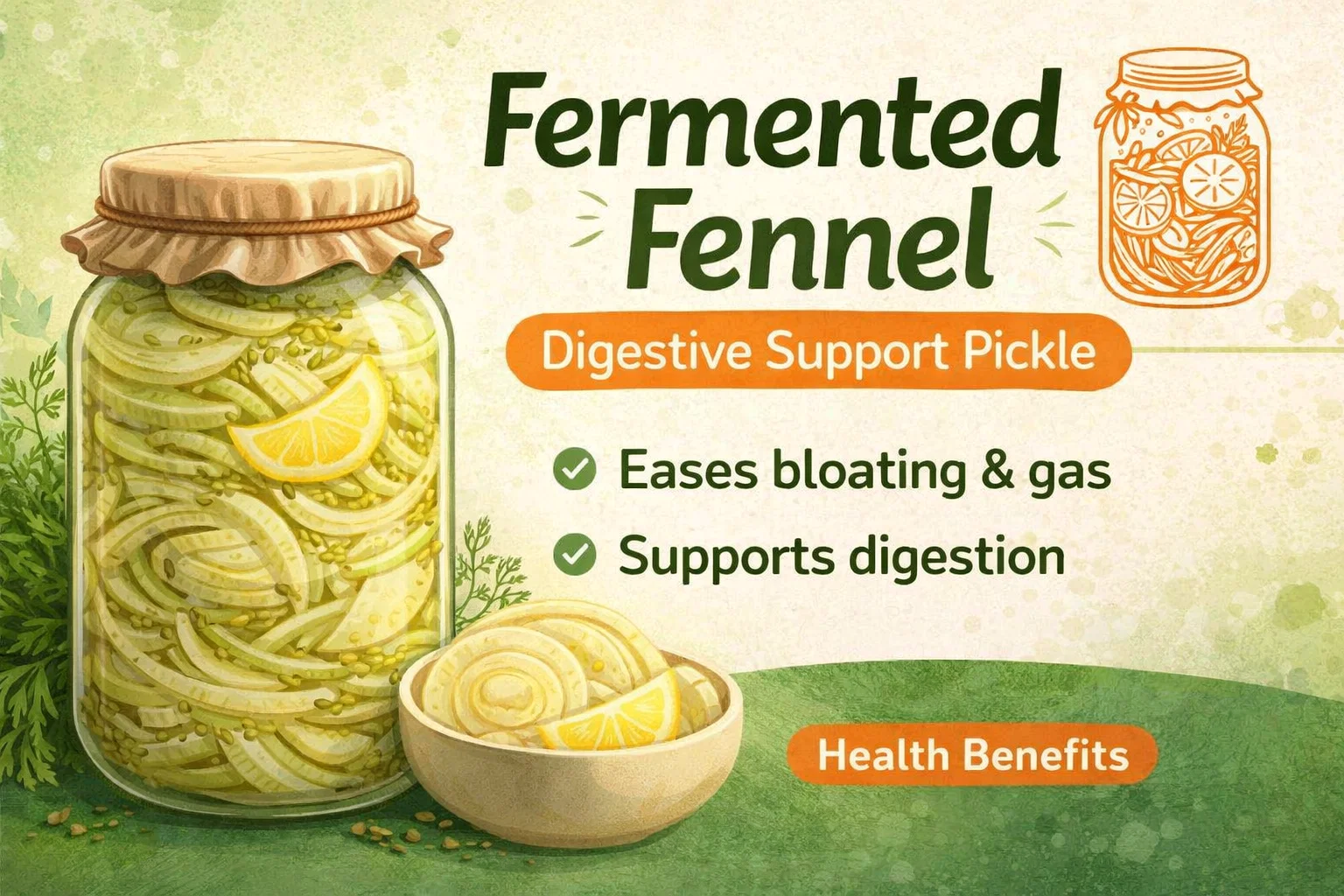
Fermented Fennel Pickle Recipe Easy Gut-Healthy Probiotic Digestion Support
Have you ever finished a delicious meal only to feel that uncomfortable, heavy bloating set in shortly after? It is a common struggle in our modern world, where processed foods and fast-paced lifestyles often take a toll on our digestive systems. However, the secret to a happy gut might just be sitting in your pantry or the produce aisle of your local market. Enter the world of fermented fennel, a traditional digestive support pickle that is as delicious as it is functional. This simple, vibrant condiment is more than just a topping; it is a living food packed with probiotics and enzymes designed to help your body process nutrients and maintain a calm, balanced stomach.
The Magic of Fermented Fennel for Gut Health
Fennel has been used for centuries in various cultures as a natural remedy for digestive distress. You might have seen sugar coated fennel seeds at the end of a meal in Indian restaurants, known as mukhwas, which are served specifically to aid digestion and freshen the breath. When we take the crunchy, aromatic bulb of the fennel plant and subject it to a light fermentation process, we enhance its natural benefits significantly. The process of lacto-fermentation creates beneficial bacteria that help populate your microbiome, creating a defense system against inflammation and sluggish digestion.
What makes this fermented fennel pickle so special is its accessibility. You do not need expensive equipment or weeks of waiting time to see results. Within just a few days, the natural sugars in the fennel react with the salt and vinegar to create a tangy, probiotic-rich snack. This process breaks down the tough fibers of the vegetable, making the nutrients more bioavailable and easier for your intestines to handle. If you are someone who struggles with frequent gas or a sensitive stomach, adding a few slices of this pickle to your daily routine could be a complete game changer.
Detailed Ingredients and Why They Matter
Creating this digestive support pickle requires only a handful of ingredients, each chosen for its specific health properties. Understanding what goes into your jar helps you appreciate the medicinal quality of the food you are preparing for yourself and your family.
1. Large Fennel Bulb
The star of the show is the fennel bulb. High in vitamin C, potassium, and fiber, fennel contains a unique compound called anethole. This phytonutrient is responsible for the plants distinct licorice-like aroma and is known for its anti-inflammatory and anti-spasmodic properties. It helps relax the smooth muscles of the digestive tract, which is exactly why it is so effective at reducing cramping and bloating.
2. Apple Cider Vinegar
While many traditional ferments rely solely on salt, adding a bit of raw apple cider vinegar provides an extra boost of acidity that jumpstarts the process. Apple cider vinegar is famous for its ability to balance stomach acid levels, ensuring that your body can break down proteins and fats efficiently. Make sure to use the variety that contains the mother for maximum enzymatic activity.
3. Sea Salt and Filtered Water
Salt is the preservation agent that keeps harmful bacteria at bay while allowing the good bacteria to thrive. Using high quality sea salt ensures you are getting trace minerals without the anti-caking agents found in table salt. Filtered water is crucial because chlorine found in tap water can actually kill the very microbes we are trying to grow in our jar.
Step by Step Preparation Guide
Making your own fermented fennel is an empowering experience. It connects you to the ancient tradition of food preservation and allows you to take control of your health. Follow these steps to ensure a successful ferment every time.
Start by slicing your fennel bulb as thinly as possible. You can use a sharp kitchen knife or a mandoline slicer to get those delicate, paper thin ribbons that soak up the brine perfectly. Once sliced, pack the fennel tightly into a clean glass jar. You want to press it down firmly to remove any air pockets. In a separate container, whisk together your water, vinegar, and sea salt until the salt is fully dissolved. This creates your pickling brine.
Pour the liquid over the fennel until every piece is completely submerged. This is the most important rule of fermentation: keep it under the brine. If any pieces float to the top and stay exposed to the air, they may develop mold. You can use a fermentation weight or even a clean cabbage leaf to keep the fennel pressed down. Cover the jar loosely with a lid or a cloth and let it sit on your counter at room temperature. Over the next two to three days, you will notice the color softening and the aroma becoming pleasantly sour. Once it reaches your preferred level of tanginess, move it to the refrigerator to slow down the fermentation process.
The Science of Anti-Inflammatory Foods
Inflammation is often at the root of digestive discomfort. When the lining of the gut becomes irritated, it can lead to a host of issues ranging from brain fog to skin breakouts. Fermented fennel acts as a cooling, anti-inflammatory agent. By introducing beneficial bacteria into the system, you are essentially helping to seal the gut lining and reduce the systemic inflammation that causes so much distress.
The antioxidants found in fennel, such as quercetin and kaempferol, work alongside the probiotics to neutralize free radicals. This dual action approach makes fermented fennel a functional food that goes beyond simple nutrition. It is a proactive way to manage your internal environment and ensure that your body remains in a state of ease rather than a state of disease.
Creative Ways to Use Your Fennel Pickle
Many people wonder how to actually incorporate a fermented pickle into their daily meals. The good news is that the bright, citrusy flavor of fennel pairs beautifully with a wide variety of dishes. It adds a sophisticated crunch and a pop of acidity that can elevate even the simplest meal.
- As a Post-Meal Digestif: Simply eat two or three slices immediately after lunch or dinner. The enzymes will assist your stomach in processing the meal you just consumed.
- Elevate Your Salads: Toss a handful of the pickled fennel into a green salad. The tanginess replaces the need for heavy dressings and adds a wonderful texture.
- With Seafood: Fennel and fish are a classic pairing. Top a piece of grilled salmon or sea bass with these pickles for a restaurant quality presentation and a boost of flavor.
- Grain Bowls: Add a scoop to your quinoa or rice bowls. It provides a sharp contrast to earthy grains and roasted vegetables.
- Sandwiches and Wraps: Use them in place of standard cucumbers pickles for a unique twist on your favorite lunchtime wrap.
How Long Does It Keep?
Because this is a fermented product, it has a naturally long shelf life. Once you move your jar to the refrigerator, the cold temperature puts the bacteria into a dormant state. Your fermented fennel will stay fresh and crunchy for up to three weeks. Over time, the flavor will continue to develop and become more complex. If you notice any off-putting smells or fuzzy growth on the surface, it is always best to discard the batch and start fresh, but as long as the fennel remains submerged in the brine, it is generally very stable.
Building a Gut-Friendly Lifestyle
While fermented fennel is a powerful tool, it works best when part of a broader commitment to gut health. Incorporating a variety of fermented foods like yogurt, kefir, sauerkraut, and kombucha can create a diverse and resilient microbiome. Additionally, focusing on whole foods, staying hydrated, and managing stress levels are all essential components of a healthy digestive system.
Think of your gut as a garden. You need to pull the weeds by avoiding inflammatory triggers, and you need to plant new seeds by consuming probiotics. Fermented fennel is like a high quality fertilizer for that garden, providing the nutrients and the life force needed for everything to bloom beautifully. Small, consistent changes often lead to the most significant long term results.
Final Thoughts on Fermented Fennel
Taking care of your digestion does not have to be complicated or expensive. By returning to the basics and utilizing the power of natural fermentation, you can create a kitchen pharmacy that supports your well-being every single day. This fermented fennel recipe is a testament to the fact that food is medicine. It is a simple, beautiful, and effective way to treat your body with the respect it deserves.
Whether you are looking to stop bloating in its tracks or you just want a delicious new condiment to share with friends, this digestive support pickle is a must-try. The combination of the crunchy fennel, the zingy vinegar, and the gut-loving probiotics creates a sensory experience that your taste buds and your tummy will thank you for. Give it a try this weekend and see just how easy it is to ferment your way to better health. Your journey to a happier gut starts with a single jar.