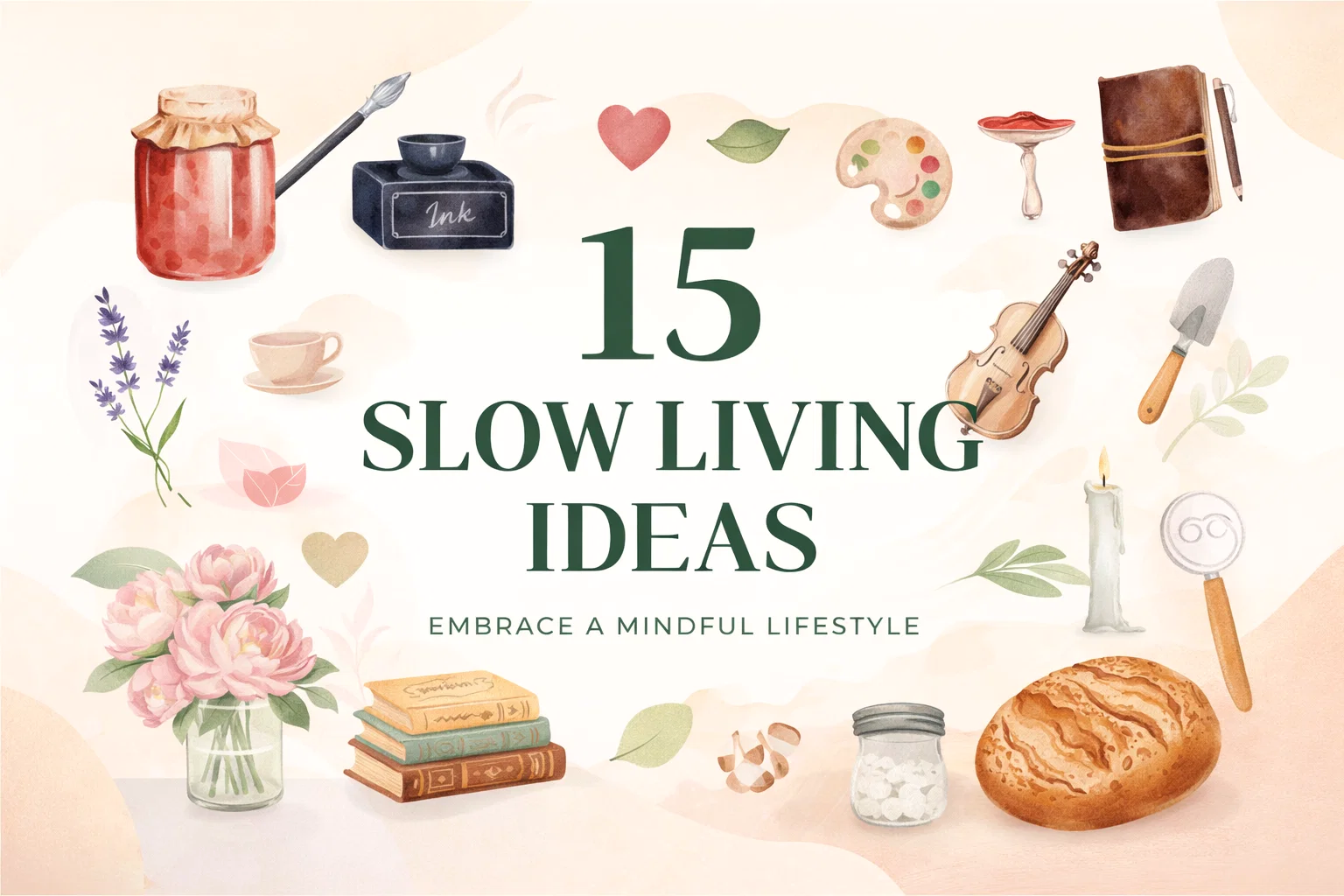
15 Slow Living Hobbies Cozy Aesthetic Activity Ideas for a Mindful Lifestyle
In a world that seems to move at a relentless pace, the concept of slow living has emerged as a necessary sanctuary for many. We are constantly bombarded by notifications, deadlines, and the pressure to be perpetually productive. However, the true essence of a fulfilling life often lies in the quiet moments that we usually overlook. Embracing a slow living lifestyle is not about moving at a glacial speed; it is about intentionality. It is about choosing quality over quantity and presence over multi-tasking. When we take the time to engage with our surroundings and our hobbies, we cultivate a sense of peace that radiates through every other aspect of our existence.
The beauty of the slow living movement is that it is accessible to everyone. You do not need a cottage in the countryside or a complete career overhaul to start. It begins with small, deliberate choices in your daily routine. By integrating mindful activities into your week, you can reclaim your time and rediscover the joy in simple tasks. Whether it is the smell of fresh bread baking in the oven or the tactile sensation of soil in a garden, these experiences anchor us in the present moment. Let us explore fifteen transformative slow living ideas that can help you create a more balanced and artistic life.
The Art of the Kitchen: Food Preservation and Sourdough Baking
One of the most rewarding aspects of slow living is reconnecting with the source of our nourishment. In the modern era, we are used to instant gratification when it comes to food. Slowing down in the kitchen allows us to appreciate the chemistry and patience required to create something from scratch. Food preservation, such as canning jams or pickling vegetables, is a wonderful way to honor the seasons. It forces us to work with the rhythm of nature, capturing the peak flavors of summer to enjoy during the cold winter months. There is a profound sense of accomplishment in looking at a pantry filled with glass jars that you have prepared with your own hands.
Mastering the Craft of Baking
Baking, particularly sourdough, has become a cornerstone of the slow living aesthetic. Unlike commercial bread that rises in an hour, sourdough requires a living starter and a slow fermentation process. This process cannot be rushed. It teaches us patience as we wait for the dough to proof and develop its signature tang. The physical act of kneading dough is also incredibly therapeutic. It is a sensory experience that requires you to put down your phone and focus entirely on the texture and elasticity of the flour and water. When that golden, crusty loaf finally comes out of the oven, the reward is far greater than just a meal; it is a testament to your dedication and care.
Nurturing Nature: Gardening and Floral Arranging
Connecting with the earth is a fundamental pillar of a mindful lifestyle. Gardening is perhaps the ultimate slow hobby because you are entirely at the mercy of the natural growth cycle. Whether you have a sprawling backyard or a few pots on a sunny windowsill, tending to plants encourages a deep sense of responsibility and wonder. Watching a tiny seed sprout into a vibrant beet or a leafy green herb reminds us that great things take time to grow. It provides a physical outlet for stress and allows us to breathe in the fresh air, grounding us in the physical world.
Bringing the Outdoors In
Once your garden begins to bloom, you can extend that connection to nature through floral arranging. This is an art form that celebrates the ephemeral beauty of life. By carefully selecting stems and arranging them in a vase, you are creating a living sculpture for your home. It encourages you to look closely at the intricate details of a petal or the curve of a leaf. If you want to keep that beauty even longer, you can explore the craft of drying flowers and herbs. Hanging bundles of lavender or eucalyptus to dry not only creates a beautiful visual in your home but also fills the air with natural, calming scents that linger for weeks.
Creative Expression Through Tactile Hobbies
In a digital age, we spend a significant portion of our lives staring at screens. Engaging in tactile, “analog” hobbies is a powerful way to reset our brains. Embroidery is a perfect example of a slow craft. Each tiny stitch requires focus and precision, turning a plain piece of fabric into a work of art. The repetitive motion of the needle is hypnotic, often leading to a flow state where time seems to disappear. Similarly, calligraphy and the use of traditional ink and nibs bring a sense of ceremony to writing. In an era of quick text messages, taking the time to handwrite a letter in beautiful script is a radical act of slow communication.
Crafting Your Own Atmosphere
Candle making and perfume blending allow you to take control of your sensory environment. Most commercial scents are synthetic and mass produced, but when you create your own blends, you can use natural essential oils that resonate with your personal mood. Making candles involves a slow melting and pouring process that is deeply satisfying. You can customize the scents to reflect the seasons, like cinnamon and orange for winter or floral notes for spring. These handmade items also make thoughtful, intentional gifts for loved ones, carrying much more meaning than something bought from a big box store.
Cultivating the Mind: Reading and Journaling
Slow living is as much about mental clarity as it is about physical activity. Reading is a classic slow hobby that allows us to step into another world and expand our horizons. Instead of scrolling through endless social media feeds, sitting down with a physical book helps improve our attention span and reduces cognitive fatigue. It is a quiet rebellion against the “snackable” content culture. Whether it is a classic novel or a book on botanical history, reading nourishes the soul and provides a necessary escape from the noise of the world.
Documenting the Journey
Journaling and nature journaling are essential tools for reflection. A regular journaling practice helps you process your thoughts and emotions, providing a safe space to be honest with yourself. Nature journaling takes this a step further by encouraging you to observe the world around you with a scientist’s eye and an artist’s heart. You might sketch a bird you saw in the park or describe the changing colors of the leaves. This practice hones your observational skills and fosters a deeper appreciation for the small miracles that happen in nature every day. It turns a simple walk into an exploratory mission.
Social and Personal Harmony: Games and Music
While slow living often focuses on solitary pursuits, it also emphasizes the importance of meaningful human connection. Family game nights are a wonderful way to foster this. Playing a board game or a card game requires collective presence and shared interaction. It is an opportunity to laugh, strategize, and bond without the distraction of televisions or smartphones. These moments build lasting memories and reinforce the idea that the best entertainment is often the simplest.
The Language of Music
Learning to play an instrument is a lifelong journey that embodies the slow living philosophy. Whether it is the violin, the piano, or a simple flute, music requires consistent practice and discipline. There are no shortcuts to becoming proficient. However, the process of learning is just as valuable as the result. Playing an instrument engages both sides of the brain and provides a unique form of emotional expression. Even playing a few simple chords can be a form of meditation, allowing you to lose yourself in the sound and rhythm of the moment.
Designing a Slow Living Routine
Integrating these ideas into your life does not have to happen all at once. The best way to start is by picking one or two activities that truly resonate with you. Perhaps you start by dedicating Sunday mornings to baking bread, or maybe you commit to ten minutes of journaling before bed. The goal is to create “islands of slowness” throughout your week. Over time, these habits will grow, and you will find yourself naturally opting for more intentional choices in other areas of your life as well.
It is also important to create a physical space that supports your slow living goals. This might mean setting up a cozy reading nook, organizing a small craft corner, or keeping your gardening tools easily accessible. When your environment reflects your values, it becomes much easier to stick to your new rhythm. Remember that slow living is a practice, not a destination. There will be days when life feels chaotic, and that is okay. The key is to always have these gentle hobbies to return to when you need to find your center again.
Embracing the Journey Toward a Mindful Life
Ultimately, choosing a slow living lifestyle is a gift you give to yourself. It is an acknowledgement that your time is valuable and that you deserve to experience life deeply rather than just skimming the surface. By engaging in hobbies like tea blending, calligraphy, or gardening, you are participating in a long tradition of human craftsmanship and observation. You are choosing to be the architect of your own time, prioritizing beauty, creativity, and peace over the frantic demands of the modern world.
As you move forward, let these fifteen ideas serve as a compass. Do not be afraid to experiment and find what brings you the most joy. Whether you are stitching a pattern, tending to a sourdough starter, or simply sitting quietly with a book, know that you are doing important work. You are cultivating a life that is rich in meaning and full of wonder. The path of slow living is a beautiful one, and every deliberate step you take brings you closer to a version of yourself that is more present, more creative, and more at peace with the world. Start today, breathe deeply, and enjoy the slow, wonderful process of becoming.