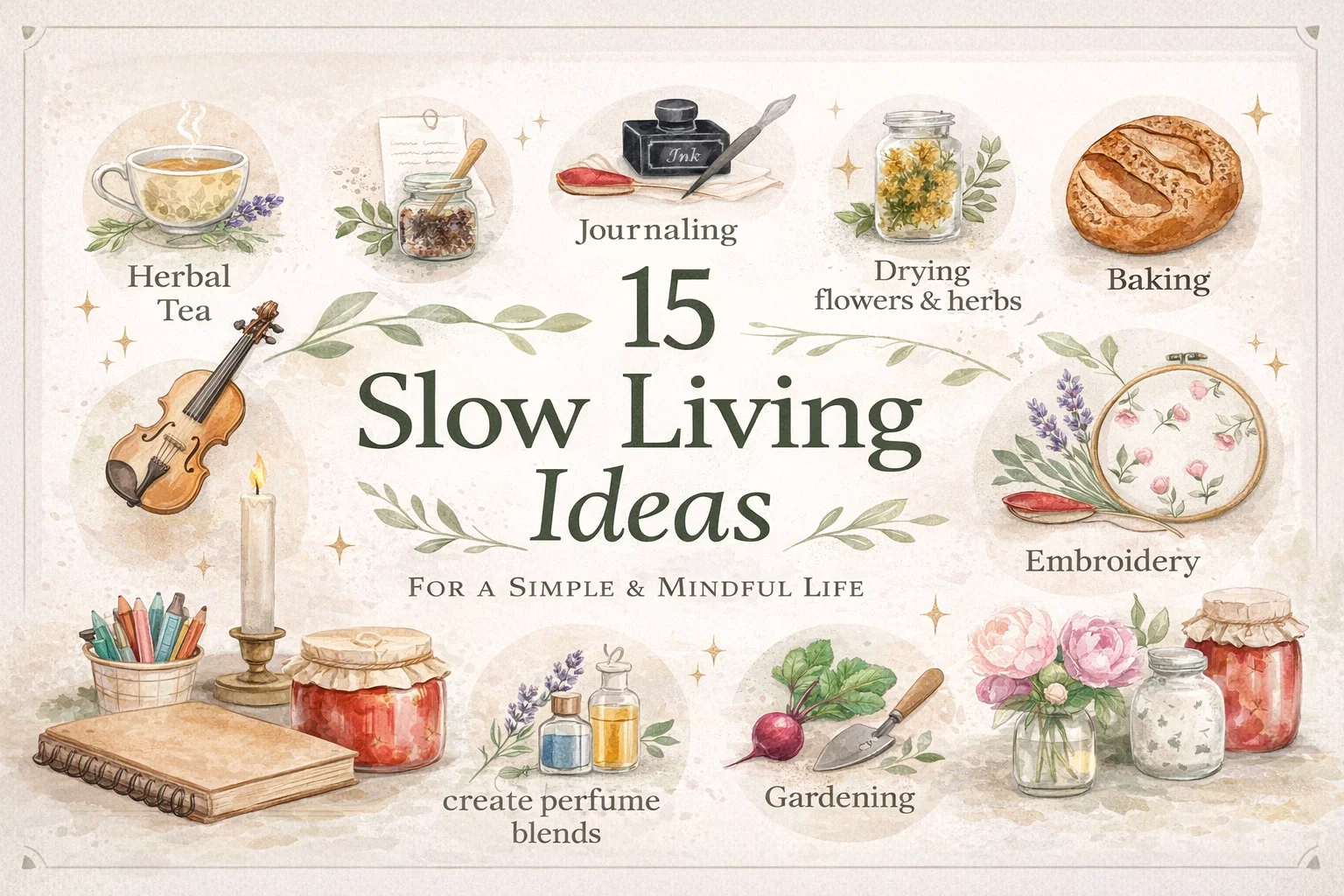
15 Aesthetic Slow Living Ideas Hobbies Creative Indoor Activities for Mindful Living
In a world that often feels like it is moving at breakneck speed, the concept of slow living has emerged as a refreshing antidote to the constant hustle. It is more than just a trend; it is a conscious choice to decelerate, appreciate the present moment, and find fulfillment in simple, tactile activities. When we look at the beautiful array of hobbies like botanical sketching, artisanal baking, and hand-poured candle making, we see a roadmap toward a more intentional existence. Embracing a slower pace allows us to reconnect with ourselves and the world around us in a way that digital screens simply cannot replicate.
What is the Slow Living Movement?
Slow living is a lifestyle philosophy that encourages a holistic approach to daily life. It is about doing things better rather than faster. Instead of measuring success by how many tasks we can check off a to-do list, slow living prioritizes quality over quantity. This movement originated from the slow food movement in Italy, which sought to preserve local culinary traditions and the joy of eating against the rise of fast food. Today, it has expanded into every facet of life, including how we work, how we decorate our homes, and how we spend our leisure time.
By adopting slow living principles, you are giving yourself permission to step off the treadmill of constant productivity. You start to notice the texture of the paper when you journal, the complex aroma of a homemade tea blend, and the rhythmic sound of a violin. These sensory experiences ground us in the physical world, reducing stress and increasing our overall sense of well-being. It is about creating a life that feels good on the inside, not just one that looks good on the outside.
Cultivating Creativity Through Traditional Crafts
One of the most rewarding aspects of a slower lifestyle is the revival of traditional crafts. In an era of mass production, there is something deeply soulful about creating something with your own two hands. These hobbies require patience and practice, which are the very cornerstones of mindfulness.
The Art of Calligraphy and Journaling
Writing by hand is a powerful way to slow down your thoughts. Calligraphy, the art of beautiful writing, transforms a simple message into a work of art. It requires a steady hand and focused breathing. Similarly, journaling serves as a private sanctuary for your thoughts. Whether you are practicing nature journaling by sketching mushrooms and leaves found on a walk or simply recording your daily reflections, the act of putting pen to paper is a meditative practice that fosters self-awareness.
Embroidery and Fiber Arts
Embroidery is a wonderful example of a slow hobby. Each stitch is a deliberate movement. Creating intricate floral patterns on a hoop allows you to focus on the tiny details, making it an excellent way to practice patience. The repetitive nature of sewing can induce a flow state, a mental state where you are fully immersed in the activity and lose track of time. This is incredibly therapeutic for anyone dealing with the pressures of a high-stress job or a busy digital life.
Connecting with Nature and the Seasons
A core pillar of slow living is living in harmony with the natural world. This means paying attention to the changing seasons and finding ways to bring the outdoors in. By engaging in nature-based hobbies, we remind ourselves that we are part of a larger ecosystem.
Gardening and Floral Arranging
There is no better teacher of patience than a garden. From planting a seed to harvesting a vibrant radish or a bouquet of peonies, gardening connects us to the cycles of life. It teaches us that growth cannot be rushed. Once you have grown your own flowers, the art of floral arranging becomes a creative outlet. Positioning each stem in a vase is an exercise in balance and aesthetics, allowing you to appreciate the unique beauty of every bloom.
Herbology and Tea Blending
Working with herbs is another way to tap into ancestral wisdom. Drying flowers and herbs serves a dual purpose: it preserves the beauty of summer for the colder months and provides the raw materials for homemade remedies. Creating your own tea blends or perfume oils using lavender, rose, and botanical extracts is a sensory delight. It encourages you to experiment with different scents and flavors, resulting in a product that is entirely unique to your preferences.
The Joy of the Slow Kitchen
The kitchen is often the heart of a slow home. Moving away from processed convenience foods toward scratch-made meals is one of the most impactful changes you can make. It transforms cooking from a chore into a ritual.
Baking Artisanal Bread
Baking a loaf of crusty sourdough or rustic bread is a hallmark of the slow living movement. It involves simple ingredients: flour, water, salt, and time. The process of kneading the dough, watching it rise, and finally hearing the “crackly” sound of the crust cooling is immensely satisfying. It feeds not just the body, but the soul. This practice forces you to wait, as you cannot hurry the fermentation process, making it a perfect exercise in mindfulness.
Food Preservation and Fermentation
Preserving food through canning, pickling, or making jams is a way to honor the abundance of the harvest. A jar of homemade strawberry jam or pickled vegetables represents a moment in time captured for the future. These practices encourage a “waste-not, want-not” mentality and help us appreciate the effort that goes into the food we consume. It builds a deeper connection to our food sources and reduces our reliance on industrial supply chains.
Creating a Peaceful Home Environment
Your physical surroundings play a significant role in your ability to slow down. A home filled with handmade items and natural materials feels more grounded and peaceful. Slow living isn’t about having a perfectly curated house, but rather a home that tells a story through the objects within it.
- Candle Making: Hand-pouring your own candles allows you to control the ingredients and the scents. Lighting a candle you made yourself during a family game night creates a warm, cozy atmosphere that signals to your brain that it is time to relax.
- Natural Decor: Using dried flower arrangements, botanical prints, and wooden tools brings an earthy, organic feel to your living space. These elements remind us of the simplicity of the natural world.
- Analog Entertainment: Prioritizing activities like board games, playing a musical instrument, or reading a physical book over scrolling on a phone helps to reclaim your attention span.
The Benefits of Living Slowly
Why should we bother with these time-consuming activities when there are faster alternatives? The benefits of slow living extend far beyond just having a cool new hobby. It has a profound impact on our mental and physical health.
Reduced Anxiety: By focusing on one thing at a time, we quiet the “monkey mind” that is always worrying about the future. Activities like calligraphy or gardening act as a form of active meditation. Increased Appreciation: When you make something yourself, you gain a new appreciation for the skill and time required to produce it. This leads to a more grateful heart and a less consumeristic mindset. Better Relationships: Slow living often involves others. Whether it is a family game night or sharing a loaf of bread with a neighbor, these moments of connection are deeper when we are not distracted by technology.
Integrating Slow Living into a Busy Life
You do not need to move to a cabin in the woods to practice slow living. It is entirely possible to integrate these principles into a modern, urban lifestyle. It starts with small, intentional shifts in your daily routine.
Start by identifying one area of your life where you feel rushed and see if you can introduce a “slow” element. Perhaps instead of scrolling through news while you drink your morning coffee, you spend five minutes journaling. Instead of buying a pre-made bouquet, you try your hand at floral arranging with grocery store flowers and some greenery from your backyard. The goal is not perfection, but progress toward a more balanced life. Slow living is a journey, not a destination. It is about the small choices we make every day to value our time and our well-being.
Conclusion: Finding Your Own Pace
The beauty of the slow living movement is that it is deeply personal. There is no right or wrong way to do it. For some, it might mean spending hours in a garden; for others, it might be the quiet focus of playing the violin or the creative challenge of blending a new perfume. The 15 ideas explored here are just the beginning. They serve as inspiration to help you discover what brings you peace and fulfillment.
As you move forward, remember that your time is your most precious resource. By choosing to spend it on activities that nourish your spirit and spark your creativity, you are reclaiming your life from the pressures of the modern world. So, pick up a pen, plant a seed, or light a candle. Embrace the slow, the handmade, and the intentional. You might just find that life is much richer when you take the time to truly live it.