Milk Thistle Benefits How to Grow, Use, and Support Liver Health Naturally
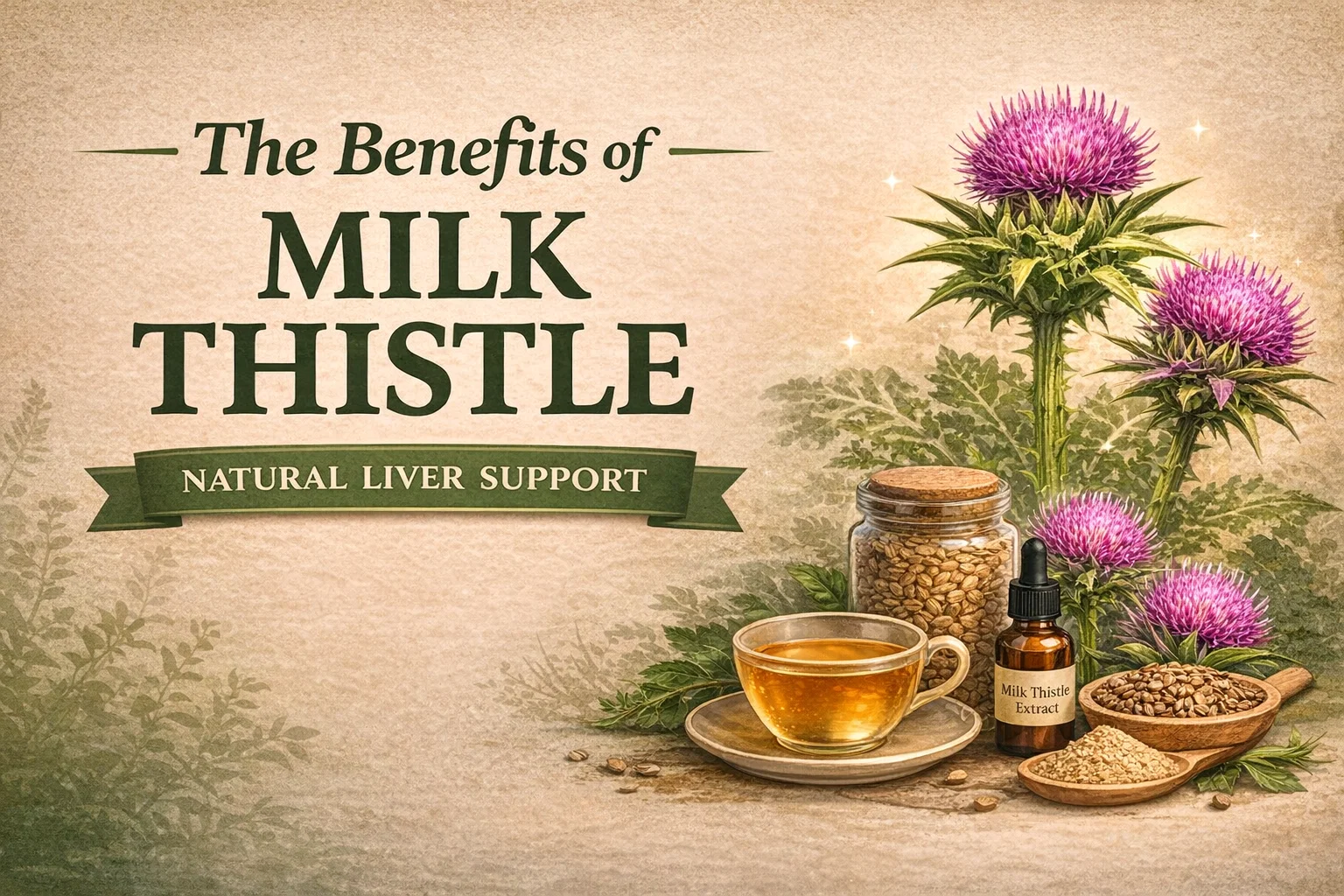
If you have ever explored the world of herbal wellness or looked into natural ways to support your body’s vital systems, you have likely come across the striking image of the milk thistle plant. With its signature purple, thistle-like flowers and marbled, spiky green leaves, it is not just a beautiful sight in a wildflower meadow—it is a powerhouse in the world of traditional herbalism. For centuries, this plant has been celebrated as a premier ally for liver health, acting as a gentle yet effective botanical supporter for our body’s most hardworking organ.
Whether you are a seasoned gardener looking to add a functional plant to your landscape or someone interested in the practical applications of herbal remedies, understanding milk thistle is a rewarding journey. In this post, we will dive deep into everything you need to know about Silybum marianum, from how to cultivate it in your backyard to the traditional ways it has been prepared and utilized for centuries.
What is Milk Thistle?
Milk thistle, scientifically known as Silybum marianum, belongs to the Asteraceae family, which is the same family as daisies, sunflowers, and ragweed. It is a biennial plant, meaning it completes its life cycle in two years. In its first year, it typically grows a low-lying rosette of leaves, and in its second year, it sends up tall, impressive stalks topped with vibrant purple flower heads.
One of the most identifying features of milk thistle is its foliage. The large, glossy green leaves are intricately marbled with a milky white pattern. Legend has it that this white marbling was created by a drop of the Virgin Mary’s milk, which is where the plant gets its common name and its specific epithet marianum. Beneath those beautiful blooms lie sharp, protective bracts, making this plant one that commands respect in the garden.
The Nutritional and Botanical Profile
While the whole plant has an interesting presence, the part most sought after for herbal use is the seed. These seeds contain a complex of flavonolignans known collectively as silymarin. This unique compound is what researchers have studied most extensively in relation to liver function. When you look at the plant through the lens of traditional herbalism, it is the density and concentration of these compounds in the mature, dried seeds that provide the plant with its reputation for restoration and protection.
How to Successfully Grow Milk Thistle
If you have a sunny spot in your garden and want to introduce this resilient beauty, you will be happy to know that milk thistle is relatively easy to grow. It is a hardy plant that does not require a lot of fuss once established, provided you meet its basic needs.
- Sunlight: This plant absolutely loves full sun. Make sure to place it in a location where it can soak up the rays for most of the day.
- Soil Requirements: It prefers well-drained soil. It is not particularly picky about fertility, but it does best in soil that is moderately fertile and not prone to waterlogging.
- Spacing: These plants can grow quite tall and wide. Give them enough room to spread their leaves; crowding them can lead to poor air circulation and hinder their growth.
- Planting: The best approach is to direct sow the seeds after the last frost of the season. They are vigorous growers and will appreciate the warm soil.
Harvesting is just as straightforward. You want to wait until the flower heads are completely dry and the plant begins to look a bit spent. Once the seeds are mature, you can harvest the seed heads carefully, keeping those sharp bracts in mind, and prepare them for your herbal storage.
Traditional Uses and Benefits
The historical use of milk thistle is extensive. Ancient European herbalists were writing about the virtues of this plant long before modern science began isolating its compounds. Its primary reputation has always been tied to the liver, which is the body’s primary detoxification center.
Supporting Liver Resilience
In traditional herbalism, milk thistle is categorized as a hepatoprotective herb. This means it is believed to help protect the liver from various stressors. By supporting the liver’s structural integrity and its ability to regenerate, it serves as a foundational herb for those looking to maintain long-term vitality.
Balancing Detoxification Pathways
Our bodies are constantly exposed to toxins from the environment, processed foods, and the natural byproducts of metabolism. The liver works tirelessly to filter these out. Milk thistle is often used to support these natural detoxification pathways, ensuring that the liver can function efficiently without becoming overwhelmed.
Digestive Efficiency and Bile Movement
Beyond the liver itself, milk thistle is known to support healthy bile flow. Bile is essential for the digestion and absorption of fats. By promoting better bile movement, this plant can indirectly improve digestive efficiency, helping you feel lighter and more comfortable after meals.
How to Incorporate Milk Thistle into Your Routine
Once you have harvested or sourced high-quality, dried milk thistle seeds, there are several traditional ways to utilize them. Because the beneficial compounds are concentrated inside the hard outer shell of the seed, preparation is key to making them bioavailable.
1. Tincture of Seeds
A tincture is a concentrated liquid extract. By soaking ground or crushed seeds in alcohol, you can pull out the active constituents that are not water-soluble. Tinctures are highly shelf-stable and easy to dose, making them a popular choice for daily support.
2. Powdered Seed
If you prefer not to use alcohol, grinding the seeds into a fine powder is an excellent alternative. You can add this powder to smoothies, oatmeal, or even encapsulated it for easier consumption. The key here is to grind the seeds fresh to ensure you are getting the full benefit of the oils and compounds before they oxidize.
3. Decoction of Crushed Seeds
While some of the beneficial compounds in milk thistle are not perfectly water-soluble, a long, slow simmer, known as a decoction, can still be a beneficial way to extract various nutrients and minerals from the seeds. It is a more gentle, traditional method that is perfect for those who enjoy the ritual of brewing herbal tea.
Important Considerations and Safety
While milk thistle is a wonderful herb, it is important to exercise common sense. First and foremost, if you have a known allergy to plants in the Asteraceae family—which includes ragweed, marigolds, and daisies—you should avoid milk thistle, as it may trigger an allergic reaction.
Additionally, because this plant interacts with how your liver processes substances, it is vital to consult with a qualified healthcare provider before starting any new herbal regimen. This is especially true if you are currently taking any prescription medications, as herbs can sometimes alter the way your body processes drugs. Pregnant or nursing individuals should also prioritize professional medical advice before adding milk thistle to their daily routine.
Final Thoughts
Milk thistle is more than just a striking inhabitant of the garden; it is a testament to the wisdom of traditional herbalism. By offering support to the liver, enhancing digestion, and assisting in the body’s natural detoxification processes, this resilient plant continues to earn its place in modern wellness routines. Whether you choose to grow it yourself or incorporate it through high-quality supplements, remember that the best approach to health is always holistic and informed. Embrace the beauty and the benefits of this classic botanical ally as you continue your path toward long-term vitality.