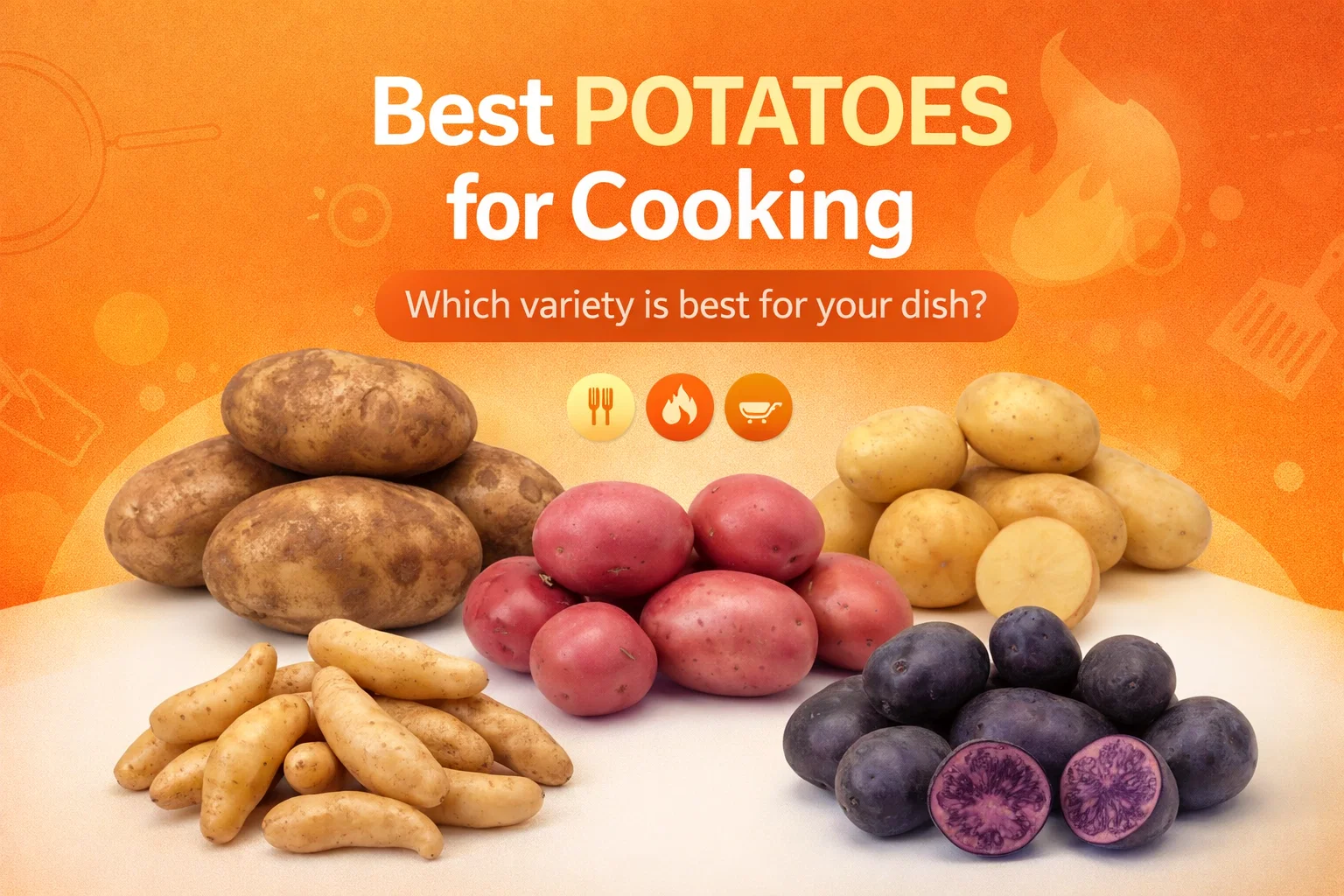
Best Potato Varieties Guide How to Choose the Right Potato for Every Recipe
Walking into the produce section of your local grocery store can be a surprisingly overwhelming experience. You might think a potato is just a potato, but as any seasoned home cook or professional chef will tell you, that could not be further from the truth. The humble potato is one of the most versatile ingredients in the world, yet choosing the wrong variety for your specific dish can lead to culinary disaster. Whether you are aiming for the fluffiest mashed potatoes imaginable or a crisp, golden brown roasted side dish, the secret lies in understanding the science of starch and texture.
In this comprehensive guide, we are going to dive deep into the world of potatoes. From the rough, earthy skin of the Russet to the vibrant, antioxidant rich flesh of the Purple potato, every tuber has a unique personality. By the end of this article, you will be able to navigate the potato bin with total confidence, knowing exactly which variety will bring your recipe to life. Let us peel back the layers on this kitchen staple and discover how to master the art of potato selection.
The Science of Spuds: Starch vs. Moisture
Before we look at specific varieties, it is essential to understand why potatoes behave differently when heat is applied. The primary factor is the ratio of starch to moisture. Scientists and cooks generally categorize potatoes into three main groups: starchy, waxy, and all-purpose. Understanding these categories is the first step toward better cooking.
Starchy Potatoes
Starchy potatoes, like the famous Russet, are high in starch and low in moisture. When cooked, the cells in these potatoes tend to separate, resulting in a dry, fluffy, and mealy texture. This makes them the absolute best choice for baking and frying. Because they are so dry, they act like a sponge, soaking up butter, cream, and oil with ease.
Waxy Potatoes
On the opposite end of the spectrum, we find waxy potatoes like Red and Fingerling varieties. These are high in moisture and sugar but low in starch. Their cells stay close together during the cooking process, which means they hold their shape remarkably well. If you are making a potato salad or a hearty stew, waxy potatoes are your best friend because they will not turn into mush under pressure.
All Purpose Potatoes
Then there are the middle of the road options, often referred to as all-purpose potatoes. Yellow potatoes, such as the Yukon Gold, fall into this category. They have a medium starch content and a creamy, buttery texture. They are versatile enough to handle almost any cooking method, making them a reliable pantry staple for the everyday cook.
The King of the Kitchen: The Russet Potato
The Russet is perhaps the most iconic potato in North America. Known for its oblong shape and thick, brown, sandpaper like skin, it is the gold standard for several classic dishes. Because of its high starch content, the Russet is the undisputed champion of the baked potato. When you slice open a perfectly baked Russet, the interior should be snowy white and incredibly light.
Best Uses for Russet Potatoes:
- French Fries: The low moisture content ensures a crispy exterior and a soft, pillowy interior.
- Mashed Potatoes: If you want your mash to be light and airy rather than heavy and gummy, Russets are the way to go.
- Hash Browns: Their ability to crisp up makes them perfect for breakfast sides.
One tip for working with Russets is to avoid overworking them when mashing. Because they are so starchy, too much mixing can release those starches and turn your fluffy side dish into a gluey mess. Always use a potato ricer or a hand masher for the best results.
Seeing Red: The Beauty of Waxy Red Potatoes
Red potatoes are easily identified by their thin, smooth, and vibrant red skin. Unlike the Russet, you will almost always want to leave the skin on when cooking Red potatoes. The skin adds a beautiful pop of color to your plate and contains a significant amount of the potato’s nutrients. Because they are waxy, they stay firm even after being boiled for a long time.
Best Uses for Red Potatoes:
- Potato Salads: They hold their shape perfectly when tossed with dressing.
- Roasting: They develop a lovely, slightly sweet flavor when roasted with herbs and olive oil.
- Boiling and Steaming: Their firm texture makes them ideal for eating whole or halved with a bit of butter.
If you are planning a backyard barbecue or a summer picnic, the Red potato is your go to choice. It provides a satisfying bite that contrasts beautifully with creamy dressings or acidic vinaigrettes.
The Golden Standard: Yellow and Yukon Gold Potatoes
If you only have room for one type of potato in your kitchen, make it the Yellow potato. Often sold as Yukon Gold, these potatoes are beloved by chefs for their naturally buttery flavor and rich, yellow flesh. They occupy the perfect middle ground between starchy and waxy, giving them a creamy texture that feels luxurious on the palate.
Best Uses for Yellow Potatoes:
- Gratins and Scalloped Potatoes: They hold their shape well enough to slice thinly but release enough starch to thicken the sauce.
- Roasting: They create a creamy interior and a thin, crisp skin.
- General Purpose: From soups to smashed potatoes, there is very little a Yellow potato cannot do.
Yellow potatoes are particularly great for those looking to cut back on butter. Because the flesh is naturally creamy and yellow, it mimics the flavor and appearance of butter even before you add any ingredients. They are the ultimate crowd pleaser.
Fingerling Potatoes: The Gourmet Choice
Fingerlings are small, stubby, finger shaped potatoes that have become a favorite in upscale restaurants. They are not baby potatoes but rather a distinct variety that stays small when fully mature. They have a very thin skin and a firm, waxy texture that is often described as having a nutty or earthy flavor.
Best Uses for Fingerling Potatoes:
- Pan Frying: Their small size and thin skin make them perfect for quick cooking in a skillet.
- Roasting Whole: They look elegant on a plate and cook through quickly.
- Gourmet Side Dishes: Pair them with garlic, rosemary, and sea salt for a simple but sophisticated side.
When preparing Fingerlings, there is no need to peel them. Just give them a good scrub, and they are ready for the oven or the pan. Their unique shape adds a wonderful visual element to any meal.
Purple and Blue Potatoes: A Burst of Color and Health
While they might look exotic, Purple potatoes are becoming increasingly common in standard grocery stores. These potatoes range from a deep indigo to a vibrant violet. Interestingly, the color often stays intact even after cooking. Beyond their striking appearance, Purple potatoes are dense and have a slightly nutty, earthy flavor similar to Fingerlings.
Best Uses for Purple Potatoes:
- Vibrant Salads: Use them to add a dramatic color contrast to a vegetable medley.
- Potato Chips: Homemade purple potato chips are a fantastic conversation starter at parties.
- Antioxidant Boost: They are rich in anthocyanins, the same antioxidants found in blueberries.
Because they are denser than other varieties, they can sometimes be a bit drier. They pair exceptionally well with moist ingredients like Greek yogurt, herb infused oils, or even a splash of lemon juice to brighten the flavor and the color.
Potato Storage and Handling Tips
Once you have selected the perfect potatoes, how you store them will determine how long they stay fresh and delicious. Potatoes are living organisms that need the right environment to thrive. Always store your potatoes in a cool, dark, and well ventilated place. A pantry or a basement is usually the best spot.
Never store potatoes in the refrigerator. The cold temperature will cause the starch in the potato to turn into sugar, resulting in a gritty texture and an unpleasantly sweet taste when cooked. Additionally, keep them away from onions. Onions release a gas that causes potatoes to sprout and spoil much faster.
If you see a green tint on the skin of your potatoes, that is a sign of exposure to light. This green area contains solanine, which can be bitter and, in large quantities, mildly toxic. Simply peel or cut away any green parts before cooking, and the rest of the potato will be perfectly fine to eat.
Conclusion: Elevating Your Home Cooking
Mastering the art of the potato is a simple way to instantly improve your cooking. By matching the variety to the cooking method, you ensure that every dish has the texture and flavor it was meant to have. No more watery mashed potatoes or mushy fries. Instead, you can look forward to perfectly crisp roasts, creamy gratins, and fluffy bakes.
The next time you are at the market, take a moment to look past the generic labels. Reach for the Russets when you want comfort, the Reds when you want structure, and the Yellows when you want pure creaminess. Experiment with Fingerlings and Purples to add flair to your dinner table. The world of potatoes is vast and delicious, and now you have the tools to explore it like a professional. Happy cooking!