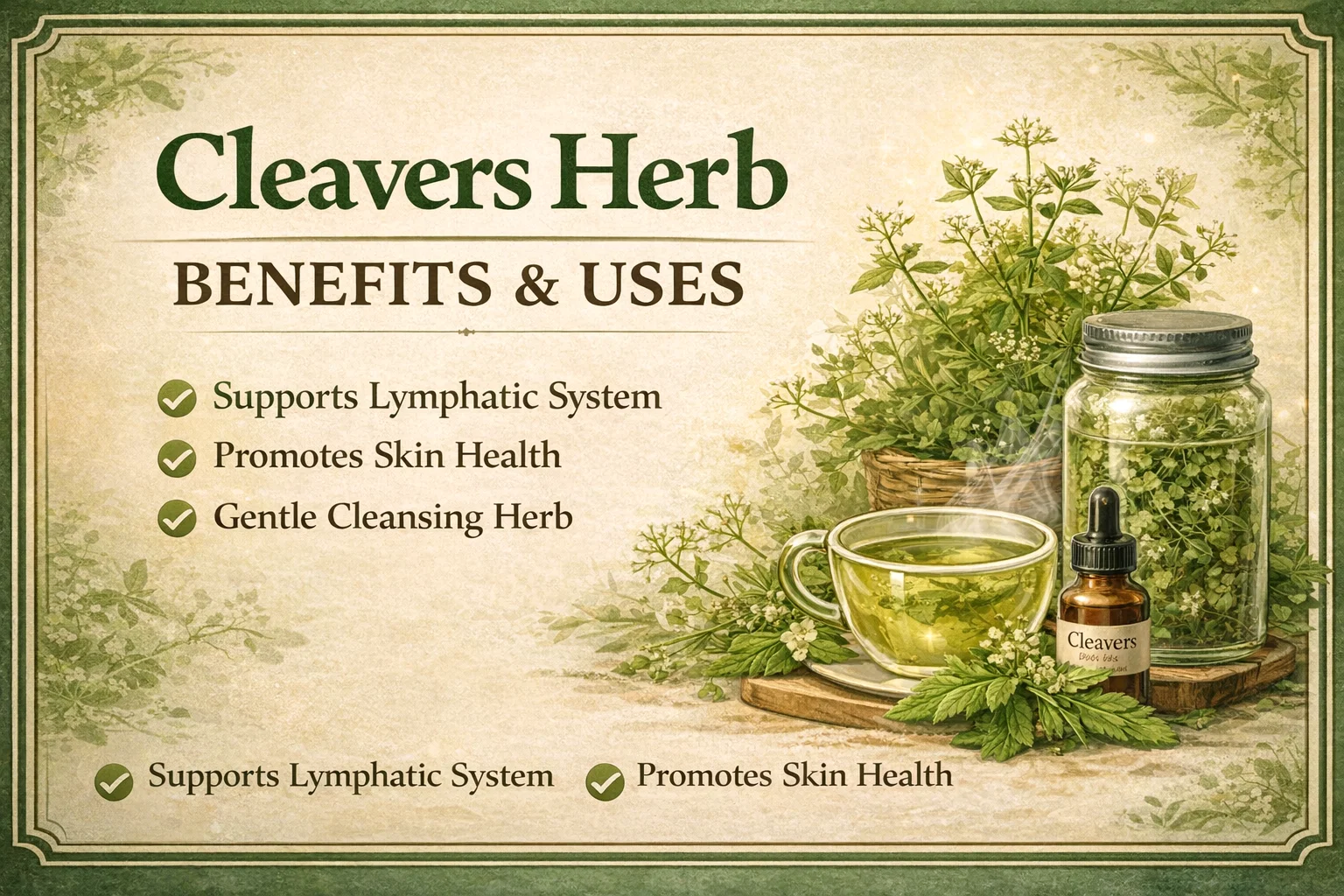
How to Grow Use Cleavers Galium Aparine Spring Herbal Guide for Lymph Skin Support
Spring has a way of introducing us to the exact remedies we need just as the seasons shift. If you have ever taken a walk through a damp meadow or a shaded garden corner in the early months of the year, you have likely encountered a persistent, clinging plant that hitches a ride on your socks or your dog’s fur. While many gardeners dismiss this plant as a mere weed, seasoned herbalists recognize it as Cleavers (Galium aparine). This humble, whorled herb is one of nature’s most effective tonics for moving the stagnation of winter out of the body and inviting the fresh, flowing energy of spring back in.
Understanding Cleavers: The Clinging Companion of Spring
Cleavers belong to the Rubiaceae family, making them a distant relative of the coffee plant. However, instead of providing a caffeine jolt, Cleavers offer a cooling and soothing effect. The plant is easily identified by its long, square stems and whorls of six to eight narrow leaves. What truly sets it apart are the tiny, hooked hairs that cover the stems and seeds, allowing it to “cleave” to anything it touches. This physical characteristic is actually a clue to its traditional uses: it is a plant that moves, grips, and clears.
As an annual herb, Cleavers have a relatively short window of peak potency. They thrive in the cool, moist conditions of early spring and often begin to die back once the heat of summer arrives. For those looking to incorporate this plant into their wellness routine, timing is everything. The fresh, succulent aerial parts are where the magic happens, offering a mild, green taste that is reminiscent of cucumber or pea shoots.
The Traditional Benefits of Cleavers for Lymphatic Health
In the world of herbalism, Cleavers are perhaps most famous for their affinity for the lymphatic system. The lymph system is responsible for moving waste products out of our tissues and supporting immune function, but unlike the circulatory system, it does not have a pump like the heart. It relies on movement, hydration, and certain “lymphagogue” herbs to stay fluid.
Cleavers act as a gentle mover, helping to encourage healthy drainage and reducing the “boggy” feeling that can occur after a long, sedentary winter. When the lymphatic system is sluggish, we might notice puffiness in the face, swollen glands, or a general feeling of congestion. By incorporating Cleavers into a spring wellness routine, you are supporting the body’s natural ability to filter and flush, leading to a more vibrant sense of well-being.
Supporting Skin Clarity and Fluid Balance
The health of our skin is often a reflection of our internal filtration systems. When the lymph and kidneys are working efficiently, the skin tends to look clearer and more resilient. Cleavers have long been used to support skin health, particularly for conditions that involve redness, swelling, or heat. Because it is a cooling herb, it helps to balance the “fire” in the body, making it a favorite for those dealing with occasional breakouts or irritation.
Furthermore, Cleavers act as a mild diuretic. This means they support a comfortable and healthy urinary flow, which is essential for maintaining fluid balance. By encouraging the kidneys to release excess water and metabolic waste, Cleavers help reduce that heavy, water-logged feeling that can sometimes settle in the limbs.
How to Grow Cleavers in Your Own Apothecary Garden
While Cleavers grow wild in many parts of the world, cultivating them in your own garden ensures a clean, pesticide-free harvest. They are incredibly easy to grow, provided you give them the right environment. They prefer cool weather and moist, fertile soil, making them perfect for those semi-shaded spots where other sun-loving herbs might struggle.
Sowing and Location
Cleavers seeds actually benefit from a period of cold to help them germinate, a process known as stratification. For the best results, direct sow the seeds in your garden during the fall or very early spring. If you choose a spot with full sun to partial shade, you will find that they take off quickly once the ground thaws. Because of their “clinging” nature, providing a small trellis or allowing them to grow near other sturdy plants will give them the support they need to climb.
Harvesting for Maximum Potency
The best time to harvest Cleavers is in the early spring when the growth is lush and the tops are still tender. Once the plant begins to flower and set seeds, the stems become tough, stringy, and less pleasant to work with. Use a pair of garden shears to snip the top few inches of the plant. If you find the tiny hooks scratchy on your skin, wearing gloves during the harvest can make the process much more comfortable.
Practical Ways to Use Cleavers at Home
Once you have harvested your fresh Cleavers, there are several ways to bring their benefits into your daily life. Because the active constituents are best captured when the plant is fresh, many people prefer “cold” preparations or quick infusions rather than long, high-heat decoctions.
Fresh Cleavers Infusion (Tea)
A simple tea is one of the most traditional ways to enjoy Cleavers. To make a fresh infusion, take a handful of the cleaned herb and place it in a jar of room-temperature or cool water. Let it steep for several hours or even overnight. This gentle extraction method preserves the cooling properties of the plant. The resulting liquid has a light, refreshing taste and can be sipped throughout the day to support hydration and lymphatic flow.
The Power of Fresh Succus (Juice)
For a more concentrated dose, many herbalists recommend “succussing” or juicing the plant. You can run fresh Cleavers through a wheatgrass juice extractor or simply blend them with a little water and strain through a fine cloth. This vibrant green juice can be taken in small amounts (a tablespoon or two) or added to your morning smoothie. It is a powerful way to get the “living” enzymes and minerals directly into your system.
Tinctures and Vinegars
If you want to preserve the benefits of Cleavers for use later in the year, making a tincture is an excellent option. By macerating the fresh plant in high-proof alcohol, you can create a shelf-stable extract that is easy to use when fresh plants are no longer available. Alternatively, a Cleavers-infused vinegar makes a tangy and mineral-rich addition to salad dressings, offering a nutritional boost to your meals.
External Applications: Poultices and Compresses
Cleavers are not just for internal use. Their cooling nature makes them wonderful for external applications. A poultice made from mashed fresh Cleavers can be applied directly to warm, puffy areas of the skin to provide soothing relief. You can also soak a clean cloth in a strong Cleavers infusion to create a cold compress for tired eyes or irritated skin.
Important Safety Notes and Considerations
While Cleavers are generally considered a gentle and safe herb, there are a few things to keep in mind. Due to limited safety data, it is generally recommended to avoid using Cleavers during pregnancy and nursing. Additionally, because of its diuretic properties, those taking pharmaceutical diuretic medications or lithium should exercise caution and consult with a healthcare professional, as the herb may increase the frequency of urination or affect medication levels.
On a practical note, remember that “fresh” Cleavers are called such for a reason. The tiny hooks can be irritating to the throat if not handled properly. Always ensure that you strain your infusions well through a fine mesh or cloth to remove any scratchy plant material before drinking.
History and Folklore of the “Bedstraw” Family
Cleavers have a long history of use that stretches back centuries. In various cultures, they were known as “Goosegrass” because young goslings loved to forage on them, or “Bedstraw” because the dried, matted plants were once used to stuff mattresses. The hooks helped the stuffing stay in place rather than bunching up. In folklore, Cleavers were often seen as a symbol of tenacity and connection, given their ability to cling to anything that passed by.
Beyond the practical, there is a certain poetry in using a plant that literally “reaches out” to us as we walk by. It serves as a reminder that nature often provides exactly what we need, right in our own backyards, if only we take the time to look.
Integrating Cleavers into a Modern Wellness Routine
In our fast-paced world, the idea of a “spring clean” usually refers to our homes. However, the tradition of the “spring tonic” reminds us that our bodies deserve a reset as well. Integrating Cleavers into your routine does not have to be complicated. It can be as simple as adding a handful to your water bottle or spending ten minutes in the garden connecting with the earth.
By supporting our lymphatic system and kidneys, we are giving our bodies the space to function at their best. Whether you are a seasoned herbalist or a curious beginner, Cleavers offer a gentle and accessible entry point into the world of plant medicine. They teach us about the importance of flow, the value of the “weeds” beneath our feet, and the beauty of seasonal living.
Conclusion: Embracing the Gifts of the Earth
Cleavers may not be the flashiest plant in the garden, but their quiet, steady support for our health is invaluable. From their role as a premier lymphatic mover to their ability to soothe and clear the skin, they are a true gift of the spring season. By learning to identify, grow, and use this remarkable herb, you are reclaiming a piece of traditional wisdom that honors the cycles of nature and the resilience of the human body.
Next time you find a bit of green “stick-a-leaf” clinging to your sleeve, take a moment to appreciate the humble Cleaver. It might just be the cooling, moving support your body has been waiting for. Whether enjoyed as a fresh morning juice or a soothing evening compress, this plant is a testament to the power of simple, natural wellness.
Would you like me to generate a specific list of companion plants that thrive alongside Cleavers in a medicinal garden?