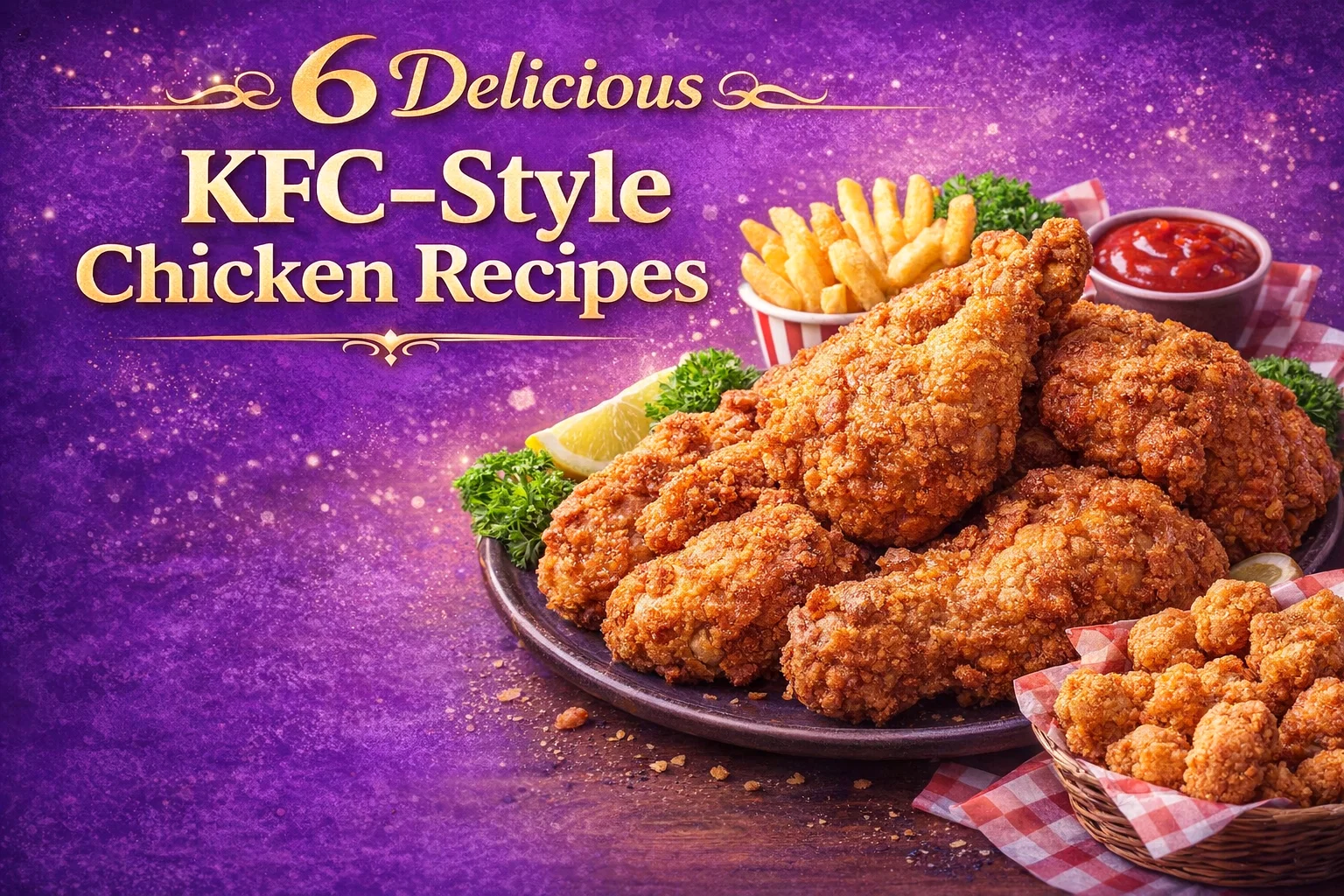
6 Best Copycat KFC Fried Chicken Recipes for Crispy Homemade Comfort Food
There is something undeniably magnetic about a perfectly golden, crispy piece of fried chicken. It is the ultimate comfort food, a staple of backyard gatherings, and a nostalgic favorite for many. But what if you could achieve that signature, restaurant-quality crunch right in your own kitchen? The good news is that you do not need access to a legendary secret spice blend to master the art of fried chicken. With the right techniques and a few pantry staples, you can recreate iconic fried chicken styles at home that are arguably better than what you get at the drive-thru.
In this guide, we are breaking down six essential KFC-style chicken variations, ranging from the classic original recipe to spicy tenders and the ultimate crispy sandwich. Whether you are hosting a party or just looking for a delicious weekend treat, these recipes will elevate your frying game to a professional level.
The Science of the Perfect Crust
To master fried chicken, you first have to understand what makes a crust great. It is not just about the flour; it is about the interaction between your dry ingredients and your wet base. The secret often lies in achieving that elusive balance between a light, shatter-crisp exterior and a deeply flavorful, juicy interior.
One of the most important elements is the use of cornstarch. Many commercial recipes incorporate cornstarch into their flour coating because it inhibits gluten development, leading to a much crispier, lighter texture that stays crunchy even after the chicken cools down. If you want that professional, restaurant-style bite, swapping a portion of your all-purpose flour for cornstarch is a game-changer.
Breaking Down the Iconic KFC-Style Profiles
While the base of fried chicken is relatively consistent, minor adjustments to your spice blend and prep methods create entirely different culinary experiences. Let us look at the key differences between these popular styles.
1. The Original vs. The Spicy
The difference between an original recipe and a spicy version is all about the depth of heat. In an original recipe, the focus is on a balanced, savory blend of black pepper, garlic powder, onion powder, and dried herbs like thyme and sage. To transition this to a spicy version, you need to introduce heat-forward ingredients. Cayenne pepper is the standard, but you can also experiment with smoked paprika or even a dash of chili powder to add complexity.
2. The Role of Buttermilk
If you look at many of the recipes included in our collection, buttermilk is a recurring star. There is a reason for this. Buttermilk is mildly acidic, which acts as a gentle tenderizer for the chicken meat over time. It also helps the seasoned flour adhere better to the chicken, creating a thicker, more textured crust. If you do not have buttermilk on hand, you can easily make a quick substitute by adding a tablespoon of lemon juice or white vinegar to a cup of regular milk and letting it sit for ten minutes.
Essential Equipment for Home Frying
You do not need an industrial deep fryer to get great results, but having the right tools makes the process safer and more consistent.
- A heavy-bottomed pot: A Dutch oven is ideal because it retains heat extremely well, which prevents the oil temperature from dropping drastically when you add the chicken.
- A deep-fry thermometer: This is non-negotiable. If your oil is too cool, the chicken will be greasy; if it is too hot, the crust will burn before the meat is cooked through. Aim for a temperature around 350°F to 375°F.
- A wire rack: Instead of placing your finished chicken on paper towels, which can trap steam and make the bottom of your crust soggy, place the chicken on a wire rack set over a baking sheet. This allows air to circulate, keeping the entire piece perfectly crispy.
Common Pitfalls and How to Avoid Them
Even experienced cooks run into trouble with fried chicken. Here are a few common mistakes and how you can fix them to ensure your next batch is flawless.
Crowding the Pot
It is tempting to try to cook all your chicken at once, but this is a major mistake. When you crowd the pot, you lower the oil temperature too quickly. The chicken then absorbs excess oil rather than frying in it. Always cook in small batches, and give each piece enough room to move around.
Not Resting the Chicken
Just like a good steak, fried chicken needs to rest for a few minutes after coming out of the oil. This allows the juices within the meat to redistribute, ensuring that every bite is succulent and tender. If you cut into it too soon, those juices will run out, and the meat will dry out instantly.
Taking Your Sandwich Game to the Next Level
The fried chicken sandwich has become a phenomenon in its own right. What makes a great sandwich? It is all about the architecture. You have your crispy fried breast, your tangy pickles, and your rich, creamy sauce. But the bread matters, too. A toasted brioche bun provides the perfect soft, buttery contrast to the crunch of the chicken. Do not skip the step of toasting your buns with a little butter; it creates a moisture barrier that prevents the sauce from making the bread soggy.
Conclusion
Mastering the art of fried chicken is a journey of small refinements. Whether you are perfecting the spice blend for your original recipe or experimenting with the heat levels in your spicy tenders, the key is consistency and patience. By utilizing techniques like using cornstarch in your flour, marinating in buttermilk, and maintaining precise oil temperatures, you can produce chicken that rivals any commercial chain from the comfort of your own kitchen.
Now that you have the knowledge and the recipes, it is time to heat up the oil and get cooking. Your family and friends will thank you for it, and you will never look at store-bought fried chicken the same way again.
Would you like me to create a printable shopping list format for these recipes so you can easily take it to the store?