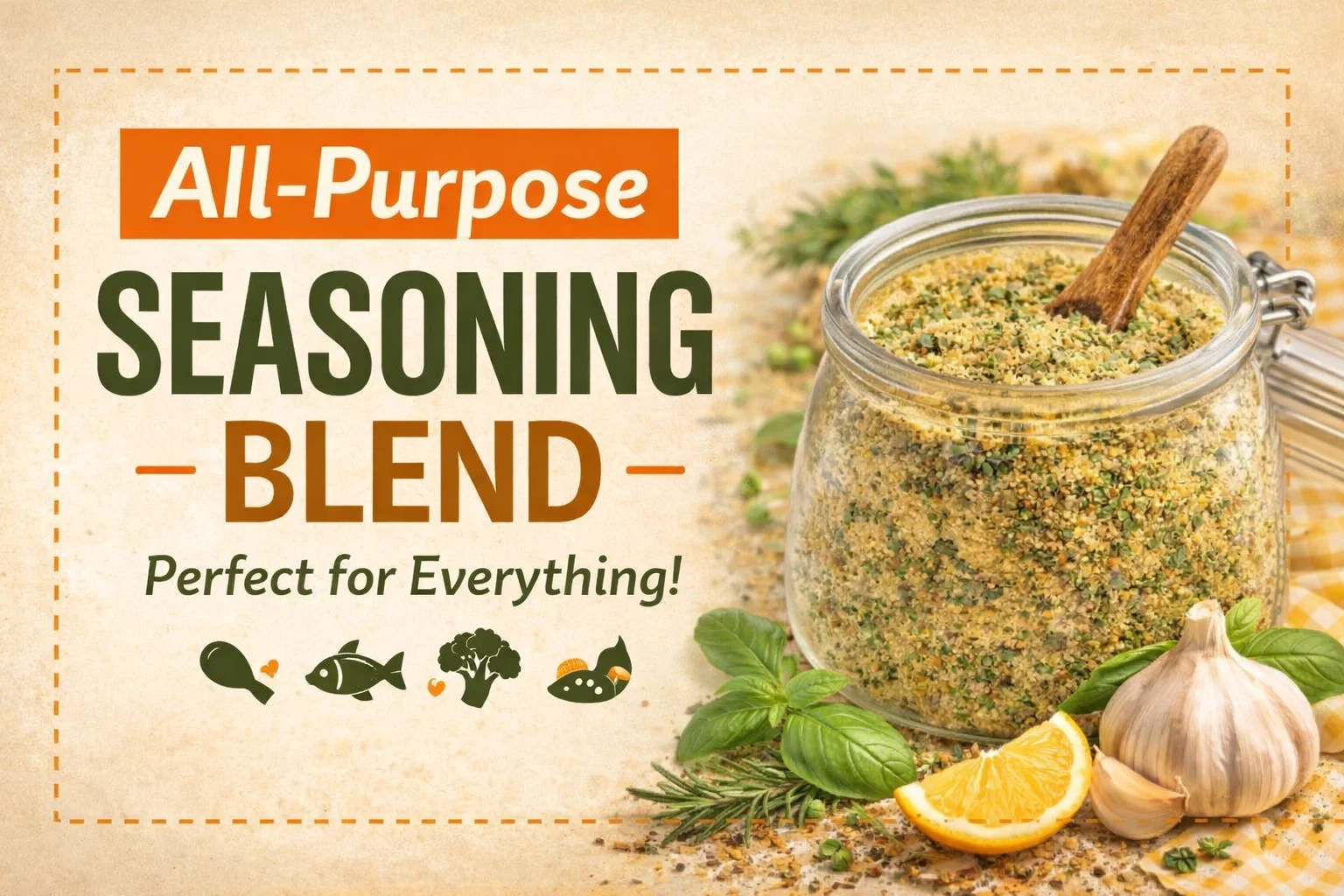
Homemade All-Purpose Seasoning Blend Recipe Best Easy Dry Rub for Chicken, Veggies More
Bringing incredible flavor into your kitchen does not require a culinary degree or a pantry full of expensive, pre-made spice jars. In fact, some of the most profound shifts in how your food tastes come from the simplest transitions, like mixing your own signature seasonings from scratch. There is a specific kind of magic that happens when you combine pungent garlic powder, savory onion, and a medley of dried herbs to create a blend that works on absolutely everything. Whether you are prepping a tray of roasted root vegetables, seasoning a golden-brown roast chicken, or just looking to level up a simple bowl of stovetop popcorn, a high-quality all-purpose seasoning is your secret weapon. By focusing on whole, dried ingredients and skipping the anti-caking agents found in store-bought versions, you unlock a depth of flavor that is fresher, brighter, and entirely your own.
The Art of the All-Purpose Seasoning Blend
An all-purpose seasoning is exactly what it sounds like: a versatile, reliable mixture designed to enhance the natural characteristics of almost any protein or vegetable. The goal of a great blend is balance. You want a foundation of salt and pepper for basic seasoning, a hit of aromatics like garlic and onion for depth, and a layer of herbs to provide earthiness and aroma. When these elements come together in the right proportions, they create a savory profile that complements the sweetness of roasted carrots just as well as the richness of grilled salmon.
One of the biggest advantages of making this at home is the ability to control the salt content. Many commercial blends use salt as a primary filler because it is inexpensive, often leaving you with a dish that is overly salty before it is properly flavored. When you mix your own, you can prioritize the herbs and spices, using salt as a functional enhancer rather than a bulk ingredient. This allows the subtle notes of rosemary, thyme, and basil to really shine through.
Breaking Down the Ingredient Profile
The beauty of the blend shown in the recipe lies in its classic, accessible profile. Each ingredient serves a specific purpose in the overall architecture of the flavor:
- Garlic and Onion Powder: These provide the savory “umami” base. They offer a concentrated sweetness and pungency that fresh garlic or onions sometimes lack in dry heat applications like roasting.
- Paprika: Beyond its beautiful red hue, paprika adds a mild, peppery sweetness. It helps with browning and provides a visual appeal to whatever you are cooking.
- Dried Thyme and Oregano: These are the workhorses of the Mediterranean flavor profile. They are earthy and slightly floral, providing a bridge between the sharp aromatics and the protein.
- Dried Basil and Rosemary: Rosemary brings a piney, robust scent, while basil adds a touch of sweetness. Crushing the rosemary slightly is a pro tip, as it releases the essential oils trapped in the dried needles and ensures it mixes evenly with the finer powders.
- Salt and Black Pepper: The essential seasoning duo that sharpens all the other flavors in the jar.
Why Freshness Matters in Your Spice Cabinet
Spices do not necessarily spoil in the way milk does, but they certainly lose their potency over time. Essential oils are what give herbs and spices their flavor and aroma. Once a plant is dried and ground, those oils begin to evaporate. Most people have spice jars in the back of their cabinets that have been there for years, and while they are safe to eat, they likely taste like nothing more than colorful dust.
When you create a batch of all-purpose seasoning, you are ensuring that your ingredients are as fresh as possible. Storing your blend in an airtight glass jar helps preserve those volatile oils. The recipe suggests a shelf life of up to six months, which is the “sweet spot” for flavor. After that point, the herbs may start to fade. Making smaller batches more frequently is a fantastic way to ensure your home cooking always tastes vibrant and professional.
Storing for Maximum Longevity
To keep your seasoning blend at its peak, location is everything. While it is tempting to keep your spice jars right next to the stove for easy access, the heat and steam from cooking can actually degrade the spices faster. Moisture can cause the powders to clump, and heat can dull the flavor of the dried herbs. The best place for your new all-purpose blend is a cool, dark cupboard or a pantry shelf away from direct sunlight. Using a jar with a tight seal, like a mason jar or a flip-top glass container, will keep the air out and the flavor in.
Creative Ways to Use Your All-Purpose Seasoning
While the label says “All-Purpose,” you might be wondering where to start beyond the standard chicken or potatoes. This blend is incredibly hardworking and can be used in several unconventional ways to add instant complexity to your meals.
The Perfect Roasted Vegetable Medley
Roasting is one of the best ways to bring out the natural sugars in vegetables, but it can sometimes feel repetitive. To use your seasoning here, toss chopped carrots, bell peppers, zucchini, and red onions in a light coating of olive oil. Sprinkle a generous tablespoon of your blend over the top and toss again until every piece is coated. The paprika will help the vegetables caramelize in the oven, while the rosemary and thyme will infuse the oil, creating a fragrant side dish that feels much fancier than it actually is.
Elevating Grains and Legumes
If you find plain rice or quinoa a bit boring, try adding a teaspoon of this seasoning to the cooking liquid. As the grains absorb the water, they also take in the flavors of the garlic, onion, and herbs. This also works beautifully for a pot of simmering beans or lentils. It provides a savory backbone that makes even a simple bowl of rice feel like a complete meal.
A Flavorful Popcorn Topping
Move over, plain butter and salt. For a sophisticated snack, drizzle freshly popped popcorn with a bit of olive oil or melted butter, then dust it with a fine layer of your all-purpose seasoning. Because the blend contains dried herbs and garlic, it creates a savory, “pizza-like” flavor that is incredibly addictive. Just be sure to give the bag a good shake so the seasoning reaches every kernel.
The Benefits of Homemade Over Store-Bought
In a world of convenience, it is easy to grab a pre-mixed bottle at the grocery store, but there are several compelling reasons to stick to the DIY route. Beyond the obvious flavor advantages, making your own blends supports a more holistic and intentional way of eating. When you read the labels on many commercial “seasoning salts,” you will often find ingredients like silicon dioxide (an anti-caking agent), maltodextrin, or even artificial colors. By mixing your own, you are eliminating these unnecessary additives.
Furthermore, the cost savings are significant. Buying individual spices in bulk and mixing them yourself is far more economical than paying the markup on a branded blend. It also allows you to customize the recipe. If you prefer a bit of heat, you can add a pinch of cayenne. If you love a smoky finish, swap regular paprika for smoked paprika. This level of customization is what turns a cook into a chef.
Environmental and Sustainability Impacts
Choosing to make your own seasonings is also a win for the environment. Most store-bought spices come in single-use plastic containers that are rarely recycled. By using a single glass jar and refilling it from bulk spice bags or your own garden-dried herbs, you are significantly reducing your kitchen waste. It is a small change that contributes to a more sustainable, self-sufficient lifestyle.
Tips for Grinding and Blending
If you want to take your seasoning to the next level, consider how you process the herbs. As mentioned in the image, crushing the rosemary slightly is vital. Dried rosemary needles can be quite hard and “pokey” in a finished dish. You can use a mortar and pestle to give the whole mixture a quick pulse. This doesn’t mean you need to turn it into a fine powder, but a light grind helps the different sizes of the ingredients meld together. When the particles are closer in size, they are less likely to separate in the jar, meaning every spoonful of seasoning has the exact same ratio of ingredients.
Using Fresh Herbs Instead of Dried
While this recipe is designed for a dry, shelf-stable pantry staple, you can certainly use the same ratios for a “wet” rub using fresh herbs from your garden. If you have fresh rosemary, thyme, and basil, finely mince them and mix them with the garlic powder, salt, and pepper. Add a splash of olive oil to create a paste. This version won’t be shelf-stable, but it is an incredible way to use a summer harvest for an immediate grilling session.
Conclusion: Your Kitchen, Your Flavors
Mastering a basic all-purpose seasoning is a foundational skill that pays dividends every time you step into the kitchen. It simplifies the cooking process, saves money, and ensures that your food is free from processed fillers. There is a deep sense of satisfaction that comes from reaching into your pantry and pulling out a jar of something you crafted with your own hands. It represents a commitment to quality and a love for the craft of cooking from scratch.
Once you get comfortable with this specific blend, do not be afraid to experiment. Use it as a blueprint and adjust the ratios to find your perfect “house” flavor. Maybe you discover you love a little extra black pepper for a bit of a bite, or perhaps you find that a bit of dried lemon peel adds a citrusy brightness that your seafood dishes crave. The journey of flavor is personal and ongoing. Start with this reliable, savory mixture today, and watch how it transforms your everyday meals into something truly special.
Would you like me to generate a specific 1,500-word blog post for another recipe image, or perhaps create a set of social media captions to promote this one?