How to Remove Sewer Smell in Bathroom Easy DIY Drain Cleaning Hack
Walking into a bathroom that smells like a sewer is enough to ruin your morning routine and make you feel like your home is anything but clean. No matter how much you scrub the tiles or polish the chrome, that lingering, heavy odor from the pipes can be incredibly frustrating. The good news is that you do not need harsh chemicals or an expensive plumber to solve the problem. Most sewer smells in the bathroom are caused by a buildup of organic matter or a dry water trap, and you can fix it using simple ingredients already sitting in your kitchen pantry.
Understanding the Science of the Baking Soda and Vinegar Reaction
You probably remember the classic volcano experiment from grade school, but there is actual science behind why this combination is a powerhouse for drain maintenance. When you pour baking soda, which is a base, into a drain and follow it with white vinegar, which is an acid, a chemical reaction occurs that creates carbon dioxide gas. This fizzing action is not just for show. It physically agitates the grime, hair, and soap scum clinging to the walls of your pipes.
While the fizzing works on the physical buildup, the chemical properties of these two ingredients work on the odor. Baking soda is a natural deodorizer that neutralizes acidic odor molecules. Vinegar, on the other hand, helps to dissolve mineral deposits and kill some types of bacteria that thrive in damp environments. By using them together, you are performing a dual-action deep clean that reaches areas a scrub brush simply cannot touch.
Why Hot Vinegar Makes a Difference
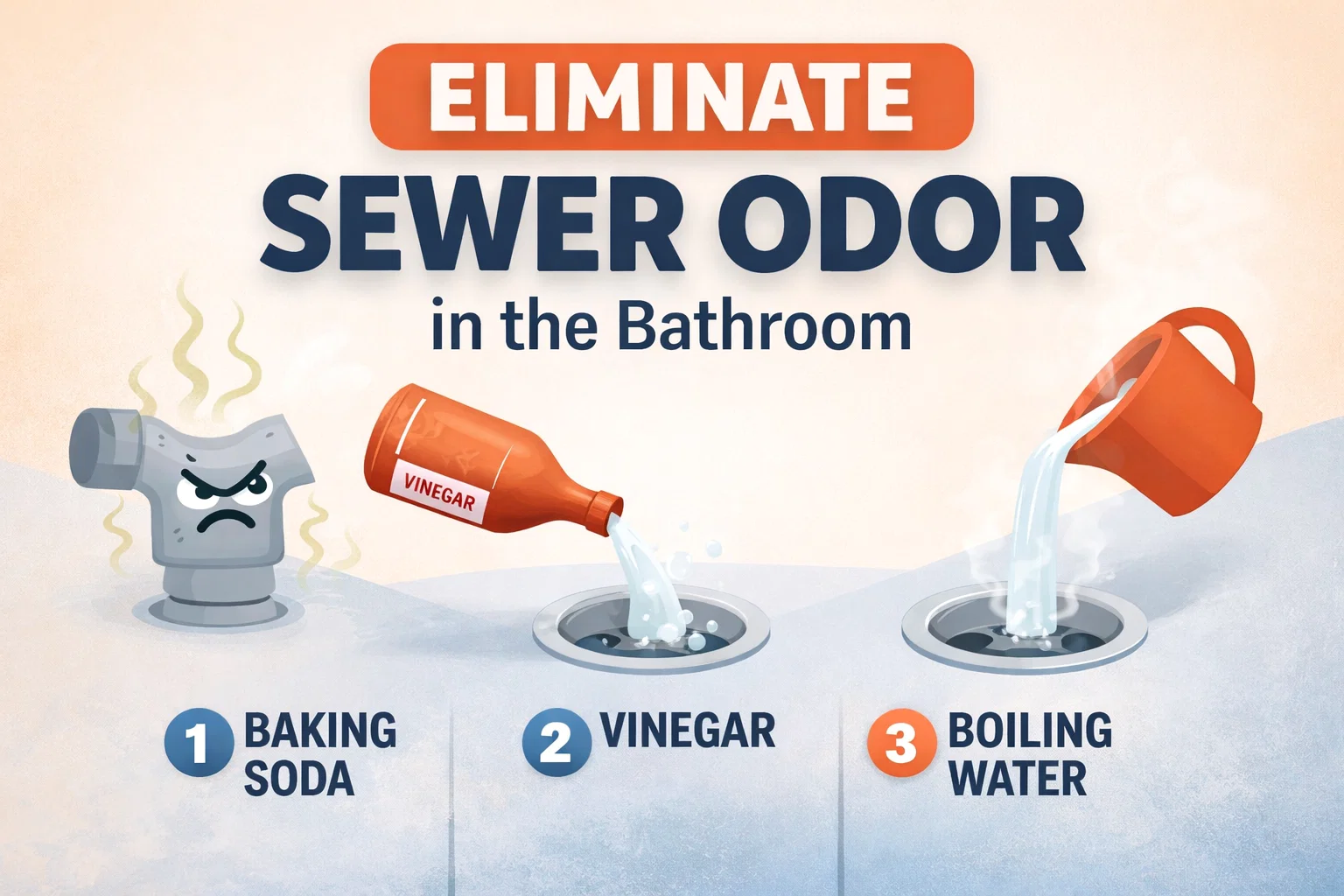
The infographic suggests heating the vinegar before pouring it down the drain, and this is a crucial step that many people skip. Heat increases the kinetic energy of the molecules, making the chemical reaction with the baking soda even more vigorous. Furthermore, hot liquid is much better at breaking down fats, oils, and grease that might have accidentally ended up in the bathroom sink or floor drain. When vinegar is warm, it flows more easily through the pipes and ensures that the baking soda is fully activated throughout the entire trap.
A Step by Step Guide to Deodorizing Your Bathroom Drains
To get the best results, you want to follow a specific order of operations. This ensures that the ingredients stay in contact with the smelly areas for as long as possible before being flushed away. Start by making sure there is no standing water in the sink or tub. If the drain is completely blocked, you may need to manually remove hair first, but for general odors, the following method is highly effective.
Step 1: The Baking Soda Base
Pour three tablespoons of fresh baking soda directly into the drain. Try to get it as deep into the pipe as possible rather than letting it sit on the metal grate. If the drain has a stopper, you might need to remove it to ensure the powder reaches the P-trap, which is the U-shaped pipe under the sink where smells usually originate.
Step 2: The Hot Vinegar Catalyst
Heat one cup of white vinegar until it is steaming but not necessarily boiling. Pour it slowly over the baking soda. You will hear an immediate fizzing sound. This is the sign that the reaction is working. Do not be alarmed if some of the foam bubbles back up into the basin. This just means the reaction is reaching the upper parts of the drain assembly.
Step 3: The Waiting Period
Once the fizzing subsides slightly, leave the drain alone. You need to let it sit for 30 to 45 minutes. During this time, the mixture is breaking down the biofilm and neutralizing the sulfur-like gases that cause that “sewer” scent. This is a great time to wipe down the rest of the bathroom or tackle another quick chore.
Step 4: The Final Flush
The final step is to flush the system with one liter of boiling water. The boiling water acts as a final mechanical force to wash away all the loosened debris and any remaining vinegar. This step is essential because it resets the water trap with clean, fresh water, creating a seal that prevents sewer gases from rising back up into your home.
The Hidden Bonus Hack: Protecting Your Drains During Vacation
Have you ever noticed that your bathroom smells terrible after you return from a long trip? This happens because of the way plumbing is designed. Every drain has a P-trap that is supposed to hold a small amount of water. This water acts as a physical barrier that stops gas from the sewer lines from entering your house. When a sink or shower goes unused for weeks, that water evaporates, the seal is broken, and the smell comes rushing in.
Using Oil as a Protective Seal
The infographic mentions a brilliant “bonus” tip: pouring a bit of oil into the drain before you leave for vacation. While you should never pour large amounts of cooking grease down a drain, a tablespoon or two of a light vegetable or mineral oil can be a lifesaver. Because oil is less dense than water, it floats on top. This creates a thin layer that prevents the water in the trap from evaporating. When you return from your trip, your bathroom will smell just as fresh as when you left. Simply run the hot water for a minute when you get back to flush the oil through the system.
Preventative Maintenance for a Fresh Bathroom
While the baking soda and vinegar method is great for fixing a problem, the best strategy is to prevent the smell from returning. Incorporating a few simple habits into your weekly routine can keep your plumbing running smoothly and smelling great without the need for intensive cleaning sessions.
- Weekly Hot Water Flush: Once a week, pour a kettle of boiling water down every drain in the house. This helps melt away soap scum before it has a chance to harden and trap bacteria.
- Use Drain Guards: Most bathroom clogs are caused by hair. Using a silicone drain protector can catch hair before it enters the pipes, significantly reducing the amount of organic material that can rot and cause odors.
- Check the Vent Stack: If you find that the sewer smell persists even after cleaning the drains, the issue might be your roof vent. Plumbing systems use a vent to allow air in and gases out. If this vent is blocked by a bird’s nest or leaves, the gases will be forced back down into your bathroom.
- Keep the Room Ventilated: High humidity contributes to the growth of mold and mildew in and around drains. Always run your exhaust fan during and after showers to keep the air moving and surfaces dry.
Natural Alternatives to Harsh Chemical Cleaners
Many people reach for commercial drain cleaners at the first sign of trouble, but these products can actually do more harm than good. Most store bought cleaners contain caustic chemicals like sodium hydroxide or sulfuric acid. These can generate intense heat that may soften PVC pipes or corrode older metal plumbing. Additionally, they are terrible for the environment and can be dangerous if they splash onto your skin or eyes.
The baking soda and vinegar method is not only safer for your pipes and your family, but it is also much more affordable. A large box of baking soda and a gallon of vinegar cost a fraction of what a single bottle of professional drain opener costs. Plus, you won’t have to deal with the overwhelming chemical fumes that linger in the air long after the cleaning is done.
Customizing the Scent
If you want to take your cleaning a step further and ensure your bathroom smells “amazing” as the title suggests, you can incorporate essential oils. After you have completed the final boiling water flush, try adding 5 to 10 drops of lemon, eucalyptus, or peppermint essential oil directly into the drain. These oils have natural antimicrobial properties and will leave a light, refreshing scent that wafts through the room every time you turn on the faucet.
When to Call a Professional
While DIY tricks are effective for common odors and minor slow-downs, there are times when the “sewer smell” indicates a more serious plumbing emergency. If you notice that multiple drains in your house are gurgling or backing up at the same time, you likely have a clog in the main sewer line. Furthermore, if you smell a strong odor of “rotten eggs” that doesn’t go away after cleaning, it could be a sign of a cracked pipe or a failing wax ring at the base of your toilet. In these cases, it is best to call a licensed plumber to inspect the system and ensure there are no dangerous leaks.
Conclusion: A Greener Path to a Cleaner Home
Maintaining a fresh-smelling bathroom doesn’t have to be a chore involving toxic sprays or expensive services. By understanding how your plumbing works and utilizing the power of basic household ingredients, you can keep your home inviting and sanitary. The baking soda and vinegar trick is a timeless remedy for a reason: it works effectively, it is safe for the planet, and it provides that satisfying fizz that lets you know the job is being done. Next time you notice a faint whiff of the sewer in your bathroom, don’t panic. Just reach for the kettle and your pantry staples, and you will have a fresh space again in less than an hour. Small, consistent efforts in home maintenance go a long way in creating a peaceful and pleasant living environment.