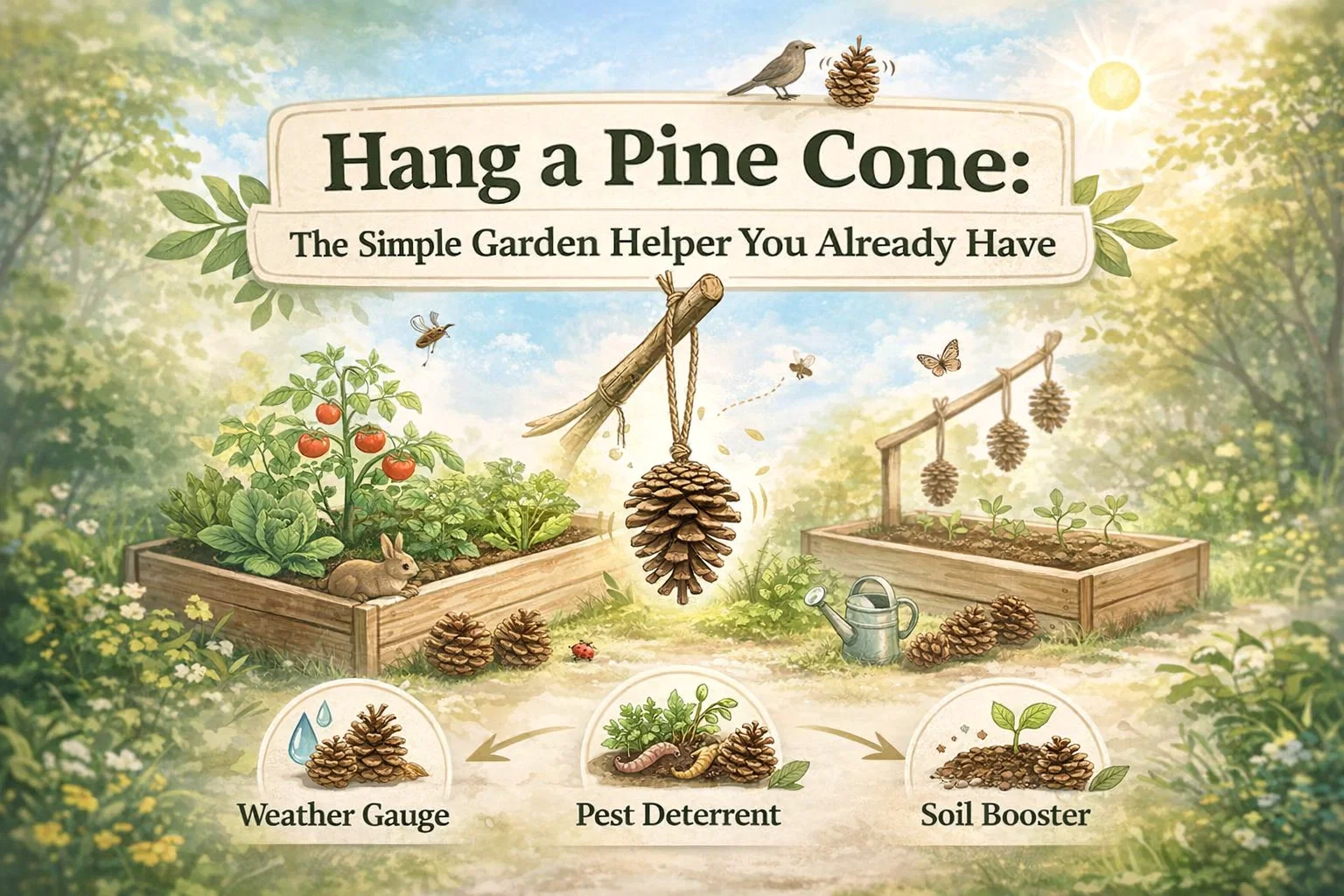
7 Clever Ways to Use Pine Cones in Your Garden Natural Pest Control Soil Tips
Nature has a remarkable way of providing exactly what we need if we only know where to look. While many gardeners spend hundreds of dollars on plastic gadgets, chemical sprays, and synthetic soil conditioners, the perfect multi-purpose tool might be lying right under the evergreen trees in your neighborhood. Pine cones are often dismissed as mere yard debris or seasonal craft supplies, but they are actually one of the most versatile and functional additions you can introduce to a sustainable garden ecosystem.
Whether you are a seasoned horticulturalist or a beginner looking to protect your first raised bed, understanding the mechanics of the pine cone can change the way you approach garden maintenance. These woody structures are designed by nature to protect seeds and respond to environmental changes, making them the ultimate “smart” garden helper. Let us dive deep into how you can harness the power of the pine cone to create a thriving, organic, and beautiful outdoor space.
The Natural Weather Gauge: Monitoring Soil Moisture
One of the most fascinating aspects of pine cones is their hygroscopic nature. This means they physically react to the amount of moisture in the air. When the air is dry and the sun is out, the scales of a pine cone open up to allow seeds to be caught by the wind. When it rains or the humidity rises, those same scales shut tight to protect the seeds from rotting. This mechanical reaction continues even after the cone has fallen from the tree and been harvested for your garden.
How to Use Pine Cones as Watering Indicators
By hanging a few pine cones near your most sensitive plants or placing them directly on the soil surface, you create a living visual cue for watering. If you walk out to your garden and see the cones are tightly closed, it is a clear sign that the air and soil are holding significant moisture. In this case, you can often delay your watering schedule, saving both time and water. Conversely, when the scales are wide and flared, it is time to check your soil. If the earth feels dry to the touch and the cone is fully open, your plants are likely ready for a drink. This simple observation helps prevent overwatering, which is one of the leading causes of root rot and plant stress.
Establishing a Free Pest Barrier
Pest management is often the most frustrating part of gardening. Traditional methods often involve harsh chemicals that can harm beneficial insects like bees and butterflies. Pine cones offer a physical solution that is both effective and entirely organic. Their prickly, textured surface is highly uncomfortable for soft-bodied pests and curious mammals alike.
Deterring Slugs, Snails, and Small Mammals
Slugs and snails are notorious for devouring young seedlings overnight. These pests prefer smooth surfaces to glide across. By creating a perimeter of pine cones around your garden beds or individual plants, you create a “spike strip” that these creatures find difficult to navigate. The sharp edges of the scales act as a natural deterrent that encourages them to find a meal elsewhere. Furthermore, larger animals like rabbits and deer often dislike the unstable and prickly footing that a thick layer of pine cones provides. Tucking cones into the gaps of your vegetable patches can discourage these visitors from stepping into your beds to snack on your lettuce and tomatoes.
Swaying Guards: Protecting Seeds and Berries
Once you have planted your seeds or your berry bushes start to ripen, the local bird population usually takes notice. While birds are wonderful for the garden in many ways, they can quickly strip a harvest if left unchecked. Instead of using unsightly plastic bird netting that can often trap and harm wildlife, you can use the weight and movement of pine cones to your advantage.
By hanging pine cones from twine or string above your seedlings or fruit clusters, you create a dynamic environment. As the wind blows, the cones sway back and forth. This unpredictable movement, combined with the organic shape of the cone, mimics the presence of a larger creature or simply creates a visual disturbance that makes birds hesitant to land. It is a gentle way to protect your hard-earned harvest without the need for physical cages or nets that interfere with the beauty of your garden.
Creating a Bug Friendly Home for Beneficial Insects
A healthy garden is a balanced garden. To keep destructive pests like aphids and mites under control, you need a healthy population of predatory insects. Ladybugs, lacewings, and solitary bees are the unsung heroes of the backyard. However, these tiny workers need a place to hide from the elements and a spot to overwinter safely.
Building an Insect Hotel with Pine Cones
The nooks and crannies between the scales of a pine cone provide the perfect micro-habitat for beneficial bugs. By grouping several pine cones together in a corner of your garden or placing them in a small wooden frame, you are essentially building a luxury insect hotel. Ladybugs will tuck themselves deep inside the scales to stay warm during chilly nights, and solitary bees may use the spaces to rest. Having these “good bugs” living directly in your garden means they are ready to start hunting pests the moment they appear, reducing your need for intervention.
Preparing Your Pine Cones for the Garden
While you can certainly use pine cones straight from the forest floor, a little bit of preparation can go a long way in ensuring they are clean and effective. If you are worried about bringing unwanted fungi or hitchhiking pests into your controlled garden beds, you can follow a simple cleaning process.
Rinsing and Baking for Longevity
Start by rinsing your collected cones in a bucket of water to remove loose dirt and pine needles. Let them air dry until they begin to open up again. For a more thorough cleaning, you can place them on a baking sheet in the oven at a low temperature, around 200 degrees Fahrenheit, for about 30 minutes. This process does two things: it kills any potential larvae or pathogens and it melts the sap, giving the cones a beautiful, slightly glossy finish that helps them last longer in the weather. Once they are “toasted” and cooled, they are ready to be tied with twine or scattered throughout your beds.
Decor That Works: The Aesthetic Value
Beyond their functional benefits, pine cones bring a timeless, rustic aesthetic to the garden. Gardening is as much about the experience and the beauty of the space as it is about the harvest. Many gardeners find that plastic stakes and synthetic borders detract from the natural feel of their sanctuary. Pine cones, with their earthy browns and intricate geometric patterns, blend perfectly with mulch, wood, and green foliage.
Using them as decorative accents around the base of potted plants or as a top dressing for garden beds creates a cohesive, “forest-floor” look. They add texture and visual interest during the winter months when many plants have gone dormant and the garden might otherwise look bare. They are the definition of “decor that works,” providing beauty while simultaneously performing multiple jobs in the background.
The Ultimate Goal: Future Soil Booster
The life cycle of a pine cone does not end when it begins to grey and fall apart. One of the greatest benefits of using natural materials in the garden is that they eventually return to the earth. Pine cones are rich in carbon and organic matter. As they slowly break down over several seasons, they contribute to the long term health of your soil.
Improving Soil Structure Through Decomposition
If you have heavy clay soil, the slow breakdown of woody materials like pine cones can help create air pockets and improve drainage over time. In sandy soils, the organic matter helps hold onto moisture and nutrients. When your pine cones have reached the end of their decorative life, do not throw them in the trash. Instead, toss them into your compost bin or bury them deep within a new garden bed. They will continue to provide value as they transform into rich, dark humus that will feed your plants for years to come.
Conclusion: Embracing the Simplicity of Nature
The trend toward sustainable and regenerative gardening often leads us back to the simplest solutions. The pine cone is a perfect example of how we can work with nature rather than against it. By utilizing these free, abundant resources, you can monitor your garden’s thirst, ward off hungry pests, protect your harvest, and build a thriving habitat for beneficial wildlife. It is an approach that saves money, reduces waste, and deepens our connection to the environment around us. Next time you are out for a walk and spot a pine cone on the ground, pick it up and bring it home. Your garden will thank you for it.