What Your Body Needs Essential Vitamins and Minerals for Energy, Sleep, and Mood
Have you ever woken up after a full eight hours of sleep only to feel like you haven’t rested at all? Or perhaps you have noticed a sudden dip in your mood that you cannot quite explain. Our bodies are incredibly sophisticated communication systems, yet we often ignore the subtle signals they send us every single day. Instead of reaching for another cup of coffee or scrolling through your phone when you cannot sleep, it might be time to look at your plate. The connection between the nutrients we consume and how our physical and emotional selves function is profound. Understanding what your body is trying to tell you through cravings, fatigue, and restlessness is the first step toward a more vibrant and balanced life.
Decoding the Language of Fatigue: The Power of Potassium
One of the most common complaints in our fast-paced world is waking up tired. If you find yourself hitting the snooze button repeatedly, your body might be whispering about a potassium deficiency. Potassium is an essential mineral and electrolyte that helps your muscles contract and maintains healthy nerve function. When levels are low, your cells cannot produce energy efficiently, leading to that heavy, sluggish feeling that plagues your mornings.
Top Potassium Sources to Kickstart Your Day
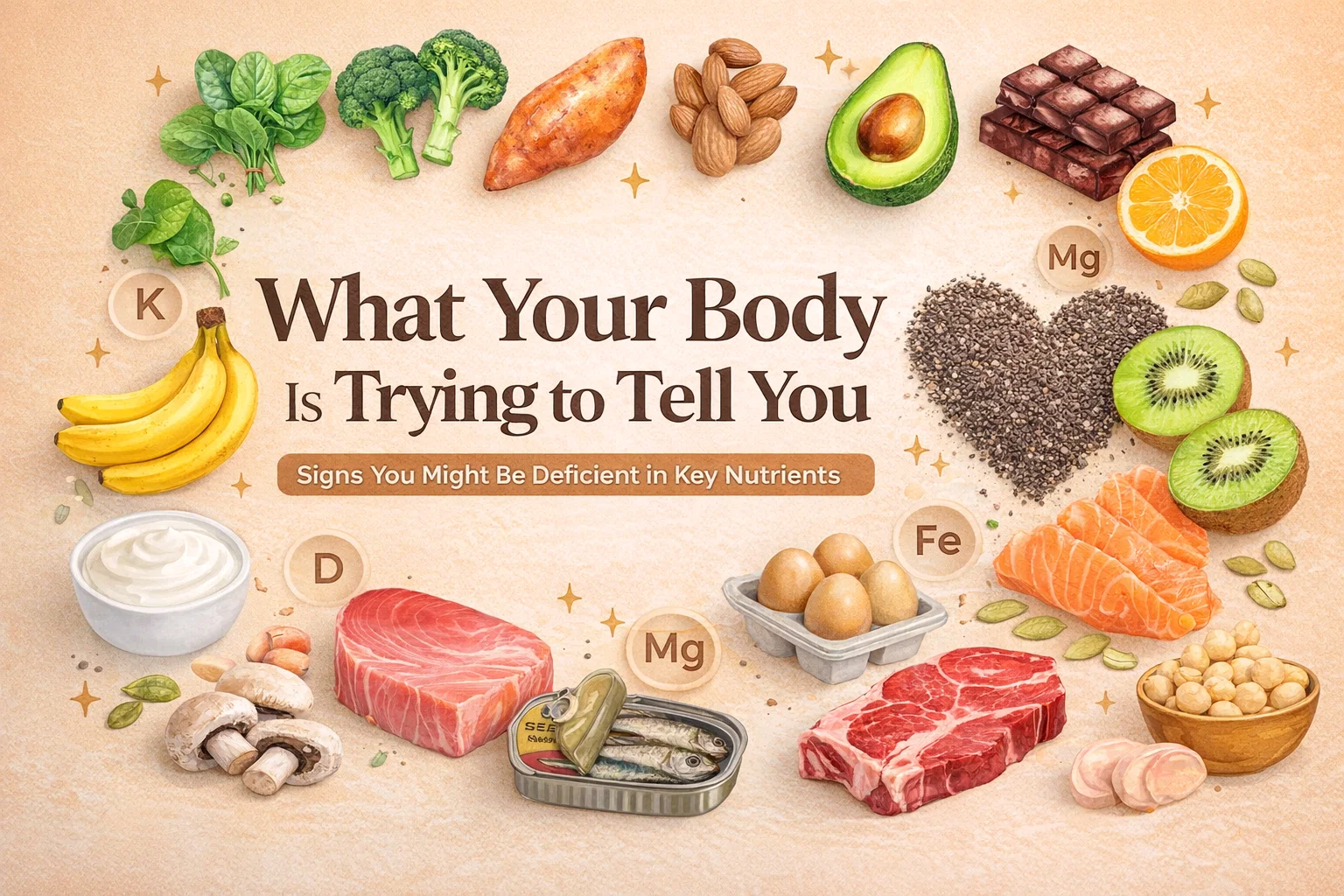
- Spinach: This leafy green is a nutritional powerhouse. Beyond being high in potassium, it provides a variety of antioxidants that protect your cells from oxidative stress.
- Bananas: The classic quick fix for energy. Bananas offer a portable and delicious way to replenish electrolytes after a long night or a strenuous workout.
- Broccoli: Not only does broccoli boost your potassium intake, but it is also loaded with Vitamin C, which helps with iron absorption and immune support.
- Kiwi: This small but mighty fruit is a potent source of both potassium and Vitamin C, making it a refreshing addition to your breakfast bowl.
- Oranges: Hydrating and potassium-rich, oranges are perfect for combating daytime fatigue and keeping your focus sharp.
Incorporating these foods into your morning routine can create a noticeable shift in your energy levels. Instead of a processed cereal, try a green smoothie with spinach and banana, or a bowl of citrus fruit to signal to your body that it is time to wake up and thrive.
The Connection Between Magnesium and Restful Sleep
If you find yourself tossing and turning at night, staring at the ceiling while your mind races, you are not alone. Magnesium is often referred to as the relaxation mineral. It plays a crucial role in regulating the body’s stress response and supporting the production of GABA, a neurotransmitter that promotes sleep. Without enough magnesium, your nervous system remains in a state of high alert, making it nearly impossible to drift off into a deep, restorative slumber.
Magnesium Rich Foods for Better Nights
Supporting your sleep cycle starts long before you head to bed. By choosing foods rich in magnesium throughout the day, you set the stage for a calmer evening.
- Almonds: These nuts are a fantastic snack that provides magnesium along with Vitamin E, supporting both your brain and your skin.
- Chia Seeds: Packed with fiber and omega-3 fatty acids, chia seeds are a versatile ingredient that supports overall heart health while providing that much-needed magnesium boost.
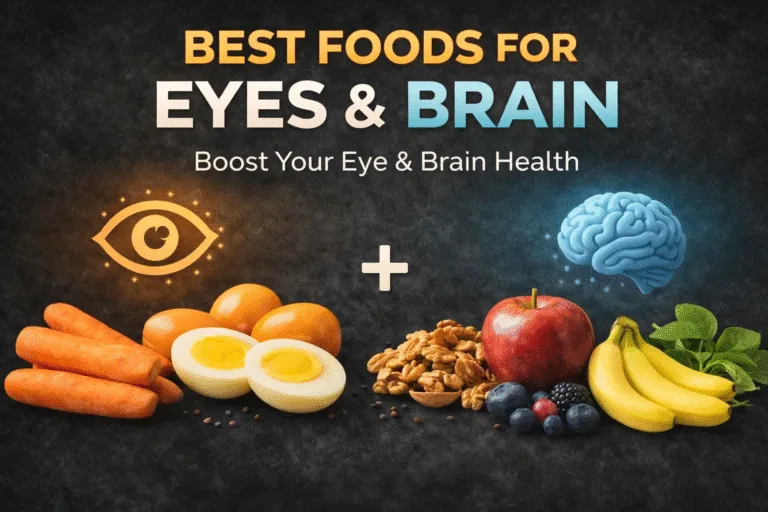
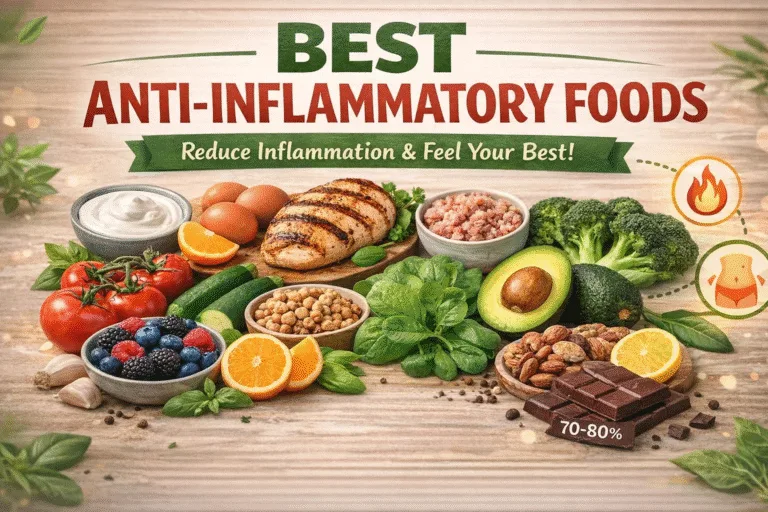
- Dark Chocolate: Yes, your evening treat can be functional. Dark chocolate is a mood booster that is surprisingly rich in magnesium, though it is best enjoyed in moderation.
- Pumpkin Seeds: These are among the best plant-based sources of magnesium available. A small handful can make a big difference in your daily intake.
- Avocado: Rich in healthy fats and magnesium, avocados are perfect for stabilizing blood sugar and keeping you satiated.
By prioritizing these foods, you are essentially giving your nervous system the tools it needs to power down. A dinner featuring salmon and a side of avocado, followed by a few squares of dark chocolate, can be the ultimate sleep-promoting meal.
Lifting the Fog: Vitamin D and Your Emotional Well-being
Feeling sad or unmotivated can often be linked to what many call the sunshine vitamin. Vitamin D acts more like a hormone than a vitamin in the body, influencing everything from bone density to brain health. Low levels of Vitamin D are frequently associated with seasonal affective disorder and general low mood. While sunlight is the primary source, many people find it difficult to get enough through rays alone, especially during the winter months or in desk-bound jobs.
Fortifying Your Mood with Vitamin D
Nature provides several dietary ways to supplement your Vitamin D levels, helping to clear the emotional fog and bring back a sense of well-being.
- Sardines: These tiny fish are nutritional giants. They provide Vitamin D, calcium for bone health, and omega-3s for mood support.
- Tuna: A shelf-stable and easy source of Vitamin D that can be added to salads or sandwiches for a quick nutritional upgrade.
- Mushrooms: These are the only natural plant-based source of Vitamin D2. If you can find varieties labeled as Vitamin D fortified or those grown in UV light, they are even more effective.
- Fortified Foods: Many modern staples like yogurt and orange juice are fortified with Vitamin D to help support hormonal health and gut function.
- Tofu: For those following a plant-based diet, fortified tofu is an excellent way to get protein and Vitamin D simultaneously.
When you nourish your body with these specific nutrients, you are supporting the chemical messengers in your brain that regulate happiness and stability. It is a gentle, holistic way to care for your mental health from the inside out.
Fueling the Fire: Overcoming Low Energy with Iron
Low energy is a distinct feeling from just being tired. It is that sense of heaviness in your limbs and a lack of stamina for daily tasks. Often, this is the body’s way of signaling an iron deficiency. Iron is responsible for producing hemoglobin, the protein in red blood cells that carries oxygen to your tissues. If your cells aren’t getting enough oxygen, they cannot produce the energy you need to function at your peak.
Iron Sources for Strength and Vitality
There are two types of iron: heme (found in animal products) and non-heme (found in plants). Including a variety of both ensures that your body has a steady supply of this vital mineral.
- Shellfish: Oysters and clams are incredibly high in heme iron, making them ideal for those struggling with significantly low iron levels.
- Beef: As one of the most absorbable sources of iron, lean beef is a traditional favorite for boosting energy and building strength.
- Chicken: A leaner source of iron that is excellent for muscle maintenance and overall health.
- Eggs: A versatile staple that contains iron along with high-quality protein to keep you full and energized.
- Chickpeas: A fantastic plant-based option, chickpeas are rich in iron and fiber, making them a great addition to salads and stews.
To maximize iron absorption, especially from plant-based sources like chickpeas, try pairing them with Vitamin C-rich foods like bell peppers or lemon juice. This simple trick can significantly increase the amount of iron your body is able to utilize.
Developing a Holistic Mindset Toward Nutrition
Understanding these individual connections is powerful, but the true magic happens when you look at your diet as a whole. Holistic wellness is about more than just fixing a deficiency; it is about creating an environment where your body can thrive. This means moving away from highly processed “convenience” foods and returning to whole, nutrient-dense ingredients that serve a purpose.
The Importance of Bioavailability
It is not just about what you eat, but what your body can actually absorb. This is why food variety is so important. When you eat a diverse range of vegetables, proteins, and healthy fats, you are providing the co-factors necessary for nutrient absorption. For example, the healthy fats in an avocado help your body absorb the fat-soluble Vitamin D in your tuna. The Vitamin C in your broccoli helps you take in the iron from your beef. Nature has designed these foods to work together in harmony.
Listening to Your Inner Compass
Start paying closer attention to how you feel after certain meals. Do you feel energized or heavy? Clear-headed or foggy? By keeping a simple food and mood journal, you can begin to identify patterns that are unique to your own biology. Your body is constantly giving you feedback. If you are craving chocolate, maybe you need more magnesium. If you are craving red meat, perhaps your iron levels are dipping. While cravings can sometimes be driven by habits, they are often the body’s way of asking for specific chemical building blocks.
Simple Habits for Long-Term Health
Transitioning to a more nutrient-aware lifestyle does not have to happen overnight. Small, sustainable changes are often more effective than radical overhauls. You might start by adding a handful of spinach to your eggs in the morning or swapping your afternoon chips for a handful of almonds and pumpkin seeds. These small choices compound over time, leading to significant improvements in how you feel and function.
Preparation is Key
One of the biggest hurdles to healthy eating is a lack of time. Keeping shelf-stable items like canned tuna, sardines, chickpeas, and chia seeds in your pantry ensures that you always have a nutrient-dense option available, even on your busiest days. Preparing a batch of sweet potatoes or hard-boiled eggs at the start of the week provides easy “grab and go” sources of potassium and iron that can keep your energy levels stable through the work week.
A Final Note on Body Awareness
The journey to better health is deeply personal. While the guidelines for potassium, magnesium, Vitamin D, and iron are universal, the way your body responds will be unique to you. By taking the time to decode what your body is trying to tell you, you are moving from a place of reactive health to proactive wellness. You are no longer just eating to stay full; you are eating to support your sleep, your mood, your energy, and your life.
Remember that your body is your most loyal companion. It works tirelessly to keep you moving, breathing, and thinking. By providing it with the essential vitamins and minerals it needs, you are showing yourself a form of respect and care that will pay dividends for years to come. So, the next time you feel a bit off, don’t just push through it. Stop, listen, and ask yourself what nutrient your body might be asking for. The answer is likely waiting for you in your kitchen.