12 Best Foods to Improve Blood Circulation and Heart Health Natural Vascular Support Tips
Maintaining a healthy cardiovascular system is one of the most important things you can do for your long term vitality. While we often think of heart health in terms of intense cardio or medical checkups, the foundation of a high functioning circulatory system actually starts in your kitchen. The blood flowing through your veins is the delivery system for oxygen, nutrients, and hormones, reaching every single cell in your body. When that flow is optimized, you feel more energized, your skin looks more vibrant, and your organs perform at their peak. Fortunately, nature has provided a vibrant array of whole foods designed specifically to support vessel flexibility, reduce inflammation, and enhance oxygen delivery. From the warming heat of cayenne pepper to the deep pigments of pomegranates and beets, the right ingredients can act as a powerful tonic for your entire body.
Understanding the Mechanics of Blood Flow and Vascular Health
To appreciate how specific foods help our circulation, it is helpful to understand what happens inside our blood vessels. Our arteries and veins are not just static pipes; they are dynamic, muscular tissues that need to expand and contract to move blood efficiently. Over time, factors like oxidative stress and inflammation can cause these vessels to become stiff or narrow, making the heart work harder than it should. This is where nutrition becomes a game changer. Many of the foods highlighted in the recent circulation guides contain specific compounds like polyphenols, nitrates, and antioxidants that directly interact with the lining of our blood vessels, known as the endothelium. By supporting the endothelium, we ensure that our vessels can dilate properly, allowing blood to move freely and carry life sustaining oxygen to our extremities and brain.
The Power of Nitric Oxide and Vessel Dilation
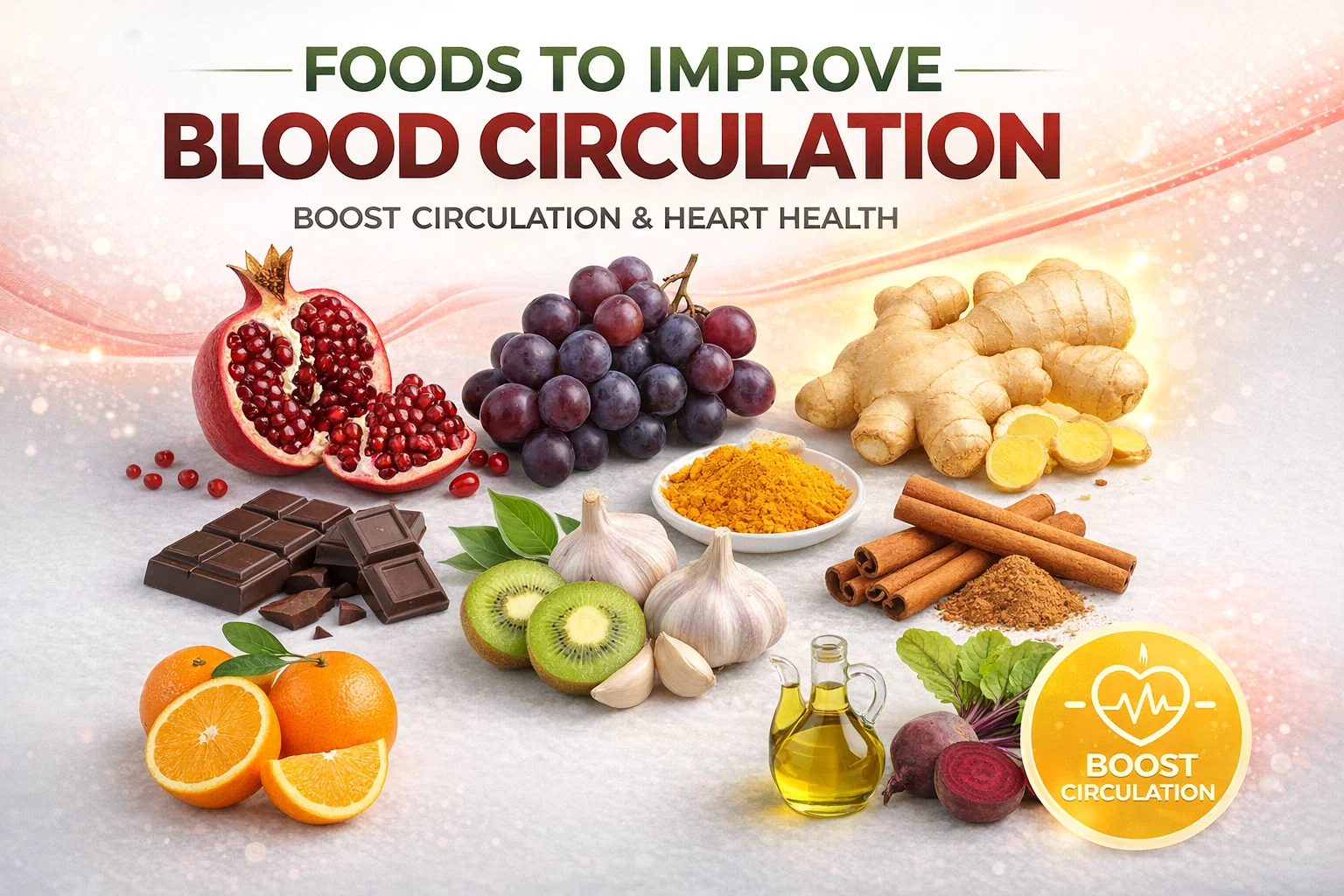
One of the most critical molecules for healthy circulation is nitric oxide. This gas acts as a vasodilator, meaning it signals the muscles in your blood vessels to relax and open up. Beets are perhaps the most famous food for boosting this process. They are rich in natural nitrates, which the body converts into nitric oxide. Consuming beets regularly can lead to improved athletic performance and better blood pressure management because the heart does not have to fight against constricted vessels. Similarly, garlic plays a major role in vessel health. Garlic contains sulfur compounds like allicin, which help the blood vessels relax and may even prevent the buildup of plaque. Adding a bit of fresh garlic to your meals is not just about flavor; it is about keeping your “internal highways” clear and flexible.
Fruity Foundations for Oxygen Flow
Fruits are often the stars of a heart healthy diet because of their high concentrations of vitamin C and unique antioxidants. Pomegranates, for example, are packed with punicalagins and anthocyanins. These potent antioxidants help prevent the walls of the arteries from thickening and enhance the flow of oxygen throughout the system. Then we have oranges and other citrus fruits. The high vitamin C content in oranges is essential for the production of collagen, which provides structural integrity to the walls of your blood vessels. Beyond vitamin C, citrus fruits contain flavonoids that have been shown to lower blood pressure and reduce arterial stiffness. Including a variety of these fruits ensures that your vascular system remains resilient and well protected against the wear and tear of daily life.
Protective Nutrients in Grapes and Kiwi
If you are looking for vascular protection, look no further than grapes and kiwi. Grapes are loaded with polyphenols, particularly in their skins, which help improve the function of the blood vessels and reduce the stickiness of platelets. This keeps the blood moving smoothly without unnecessary clotting. Kiwi is another powerhouse that often goes overlooked. It is rich in vitamin E and potassium, both of which are vital for maintaining a healthy balance of fluids and protecting the delicate lining of the veins. By snacking on these vibrant fruits, you are essentially providing your body with a natural shield against the oxidative damage that can lead to poor circulation over time.
Warming the System with Spices and Herbs
In many traditional wellness practices, certain spices are categorized as warming because they literally stimulate the movement of blood toward the surface of the skin and into the extremities. Ginger and chili pepper (or cayenne) are the two primary examples of this effect. Ginger has been used for centuries to improve blood flow because it contains gingerols and shogaols, which have anti inflammatory effects similar to some over the counter heart medications. It helps to thin the blood slightly and prevents it from becoming too viscous. Chili and cayenne peppers contain capsaicin, the compound responsible for their heat. Capsaicin stimulates the release of vasodilators, which is why you might feel a sudden rush of warmth after eating spicy food. This immediate reaction is a sign that your blood is moving more vigorously through your system.
The Golden Benefits of Turmeric and Cinnamon
While ginger and chili provide immediate warmth, turmeric and cinnamon offer long term structural support. Turmeric is famous for curcumin, a compound that is incredibly effective at reducing systemic inflammation. Since inflammation is a leading cause of damaged blood vessels, turmeric is an essential part of any circulation focused diet. On the other hand, cinnamon is excellent for supporting the physical movement of blood. It has been shown to improve the dilation of blood vessels in the arms and legs, which can be particularly helpful for those who suffer from cold hands or feet. These spices are easy to incorporate into everything from morning smoothies to evening stews, making them a convenient tool for daily cardiovascular maintenance.
Healthy Fats and Modern Indulgences
Not all fats are created equal, and when it comes to the health of your vessels, olive oil stands in a league of its own. High quality extra virgin olive oil is a staple of the Mediterranean diet for a reason. It is rich in monounsaturated fats and antioxidants that improve the flexibility of the vessel walls. When your vessels are flexible, they can handle changes in blood pressure much more effectively. But perhaps the most exciting food on the list for many people is dark chocolate. High quality dark chocolate with at least 70 percent cocoa is rich in flavanols. These plant chemicals stimulate the lining of the arteries to produce nitric oxide, leading to better blood flow and lower blood pressure. It is a wonderful example of how a healthy diet can still be delicious and indulgent.
Building a Daily Routine for Better Circulation
- Start your day with citrus: A glass of warm lemon water or a fresh orange can kickstart your vascular system in the morning.
- Incorporate movement: Food is the fuel, but movement is the pump. Pair these foods with a daily walk or stretching routine to maximize their benefits.
- Stay hydrated: Blood is mostly water, so keeping your hydration levels up is non negotiable for smooth circulation.
- Use spices liberally: Swap out excess salt for cinnamon, ginger, and turmeric to flavor your food while protecting your heart.
- Eat the rainbow: Focus on the deep reds of beets and pomegranates and the dark greens of leafy vegetables to get a full spectrum of polyphenols.
The Role of Lifestyle in Cardiovascular Success
While the foods we eat provide the raw materials for a healthy heart, they work best when supported by a mindful lifestyle. Chronic stress, for instance, can cause the body to release cortisol, which constricts blood vessels and raises blood pressure. Taking time for deep breathing or meditation can help counteract this effect, allowing the nutrients from your diet to do their job more effectively. Additionally, sleep is when the body undergoes most of its vascular repair. During deep sleep, your heart rate slows and your blood pressure drops, giving your system a much needed break and a chance to rebuild the endothelium. Combining a nutrient dense diet with proper rest and stress management creates a holistic environment where your circulation can truly thrive.
Creative Ways to Cook for Your Heart
Eating for circulation does not have to be boring or clinical. Imagine a vibrant beet and orange salad topped with a drizzle of extra virgin olive oil and a sprinkle of walnuts. This single meal combines nitric oxide boosters, vitamin C, and healthy fats in one delicious bowl. You can also experiment with homemade elixirs, such as a ginger and turmeric tea sweetened with a tiny bit of honey, or a morning smoothie packed with pomegranate seeds and kiwi. If you enjoy baking, try adding cinnamon to your whole grain breads or muffins. Even your evening meal can be an opportunity for heart health by adding fresh garlic and chili flakes to roasted vegetables or lean proteins. The goal is to make these ingredients a natural and enjoyable part of your culinary repertoire.
Conclusion: Small Changes for Lasting Vitality
Taking care of your blood circulation is a journey that happens one meal at a time. By choosing foods that support vessel flexibility, reduce inflammation, and enhance nitric oxide production, you are making a profound investment in your future self. Whether it is the simple act of adding more garlic to your dinner or enjoying a square of dark chocolate in the evening, these small choices add up to a much larger picture of health. A body with efficient circulation is a body that can heal faster, think more clearly, and move with more ease. Start looking at your plate as a tool for vascular wellness, and enjoy the natural energy and vitality that comes with a well nourished heart. Save these ideas and start incorporating these powerful whole foods into your kitchen today for a vibrant, healthy tomorrow.