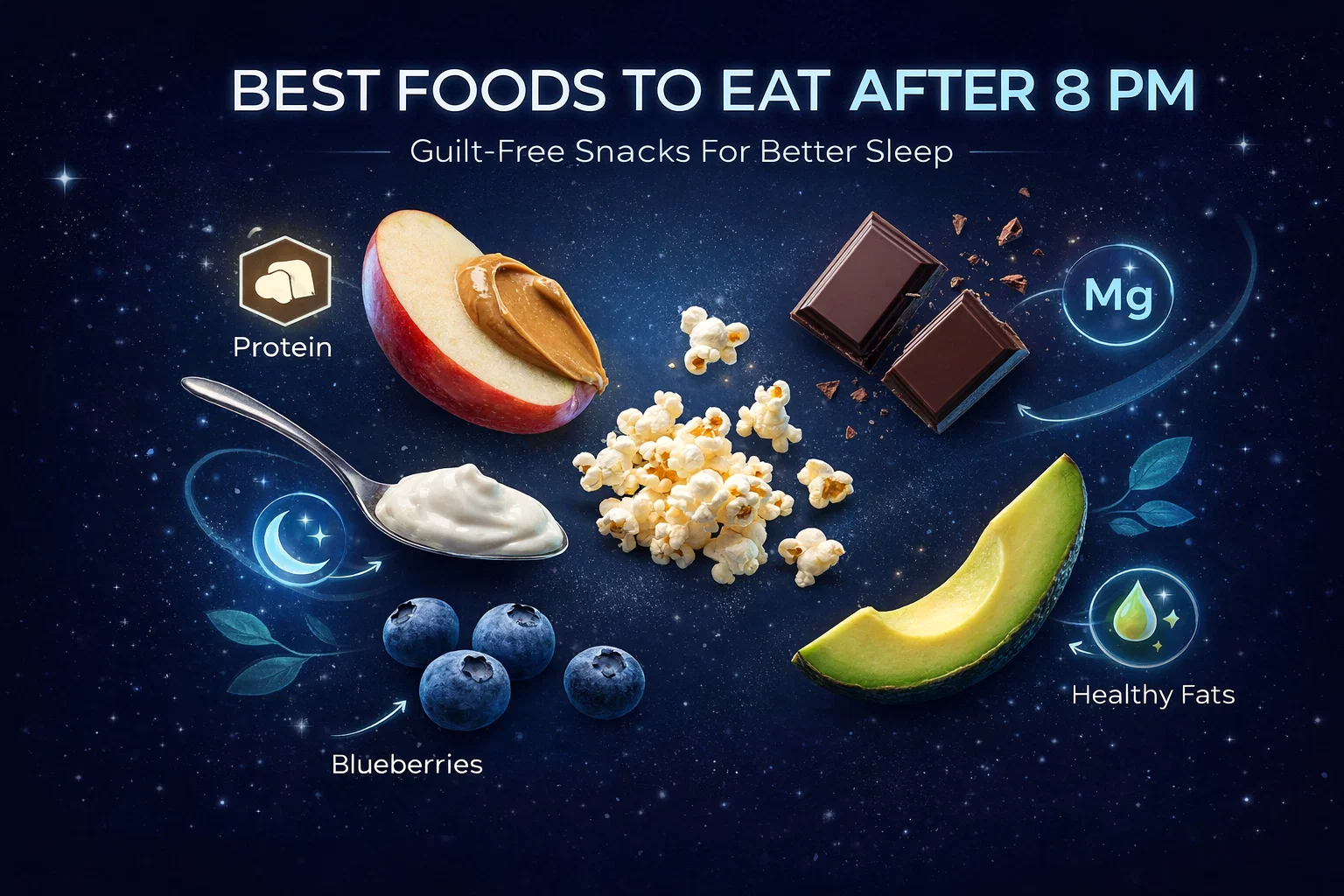
Best Healthy Late Night Snacks for Better Sleep Guilt-Free After 8 PM Food Ideas
We have all been there. It is 10 PM, the house is quiet, and suddenly your stomach starts growling. You want something to eat, but you do not want to ruin your diet or spend the next three hours tossing and turning because of indigestion. Many people believe that eating after 8 PM is a cardinal sin of nutrition, but the truth is more nuanced. Your body does not simply shut down its metabolic processes when the sun goes down. Instead of depriving yourself, the key is to choose smart, functional foods that actually support your sleep cycle and keep your blood sugar stable until morning.
The Science of Late Night Snacking
The old myth that eating late at night automatically leads to weight gain has been debunked by modern nutritional science. What matters more than the clock is the quality of the calories you consume and how they affect your hormones. When you choose the right snacks, you are providing your body with the raw materials it needs for repair and recovery during sleep. The goal is to avoid heavy, greasy, or high sugar foods that spike your insulin and keep you wired. Instead, focusing on specific nutrients like tryptophan, magnesium, and slow releasing proteins can actually help you fall asleep faster and stay asleep longer.
Understanding the Sleep Hunger Connection
Going to bed hungry can be just as detrimental as going to bed too full. Low blood sugar during the night can trigger the release of cortisol, the stress hormone, which might wake you up in the middle of the night or leave you feeling groggy the next day. By opting for a guilt free sleep support snack, you provide a steady stream of energy that keeps your internal systems running smoothly without overtaxing your digestive tract.
Top Foods to Eat After 8 PM for Better Sleep
If you are looking for the perfect bedtime bite, you want to look for foods that offer more than just empty calories. The following options are packed with vitamins and minerals that promote relaxation and satiety.
1. Blueberries: The Melatonin Powerhouse
Blueberries are often called a superfood for a reason. While they are famous for their antioxidants, they are also a natural source of nutrients that can help regulate your circadian rhythm. They are low in sugar compared to other fruits, meaning they won’t cause a massive energy spike before bed. A small bowl of frozen or fresh blueberries is a refreshing way to satisfy a sweet tooth while giving your brain a boost of protection against oxidative stress.
2. Avocado: Healthy Fats for Long Lasting Fullness
If you find yourself waking up hungry at 3 AM, your evening snack might lack healthy fats. Avocado is an excellent choice because it contains monounsaturated fats that digest slowly, providing a sense of lasting fullness. Furthermore, avocados are rich in potassium and magnesium, two minerals that are essential for muscle relaxation. A few slices of avocado with a tiny pinch of sea salt can help calm your nervous system before you hit the pillow.
3. Air Popped Popcorn: High Fiber Volume
Sometimes the urge to eat late at night is more about the mechanical action of snacking than actual hunger. This is where air popped popcorn shines. Because it is a whole grain, it provides a good amount of fiber which aids in digestion and keeps you satisfied. Since it is high in volume but low in calorie density, you can eat a satisfying portion without feeling heavy. Just be sure to skip the heavy butter and excessive salt, which can lead to bloating and thirst during the night.
The Power of Specific Nutrients
To truly optimize your late night nutrition, it helps to understand the specific components found in these foods and how they interact with your brain chemistry.
Tryptophan and Serotonin
You might recognize tryptophan as the compound in turkey that makes everyone sleepy after Thanksgiving dinner. This amino acid is a precursor to serotonin, which then converts into melatonin in the brain. Foods like Greek yogurt or a small spoonful of cottage cheese are excellent sources of tryptophan. When you consume these, you are essentially giving your brain the building blocks it needs to shut down for the night.
Magnesium: The Natural Relaxant
Magnesium is often referred to as the relaxation mineral. It helps regulate the neurotransmitters that send signals throughout the nervous system and brain. Dark chocolate is a surprising but effective source of magnesium. A single square of high quality dark chocolate (70 percent cocoa or higher) can provide a calming effect. Just ensure you keep the portion small to avoid too much caffeine, which is present in trace amounts in cocoa.
Slow Protein for Muscle Recovery
For those who are active or trying to build lean muscle, slow digesting protein is vital. Apple slices with a bit of nut butter, like almond or peanut butter, provide a perfect balance. The fiber from the apple paired with the slow protein and fats from the nut butter ensures that your muscles have a steady supply of amino acids throughout the night. This prevents muscle breakdown and helps you wake up feeling stronger.
How to Build the Perfect Bedtime Snack
Creating a sleep supportive snack is about balance. You want to combine a few key elements to ensure you are getting the most benefit with the least amount of digestive stress.
- Keep it under 200 calories: A late night snack should be a bridge to breakfast, not a full fourth meal.
- Focus on fiber: Fiber slows down the absorption of nutrients, preventing blood sugar crashes.
- Include a protein source: Protein helps with satiety and supports tissue repair while you sleep.
- Watch the sugar: High sugar snacks can cause vivid dreams or frequent wakefulness.
Snack Pairing Ideas
If you want to get creative, try mixing these sleep supportive ingredients. A small bowl of Greek yogurt topped with blueberries and a sprinkle of cinnamon is a tryptophan and melatonin goldmine. Alternatively, a few whole grain crackers with avocado provides fiber and healthy fats to keep you sleeping soundly until the sun comes up.
What to Avoid After 8 PM
While the focus is on what you should eat, it is equally important to know what might sabotage your rest. Certain foods can cause acid reflux, increased heart rate, or frequent trips to the bathroom.
Spicy and Acidic Foods
Spicy snacks might taste great, but they can cause heartburn that becomes significantly worse when you lie down. Acidic foods like citrus fruits or heavy tomato sauces can have a similar effect, leading to a restless night of discomfort.
Heavy Meals and Large Portions
Your body should be focusing on cellular repair during sleep, not heavy lifting in the digestive department. Large, calorie dense meals require significant blood flow to the stomach, which can raise your core body temperature and make it harder to fall into a deep sleep state.
Creating a Nighttime Routine for Success
Nutrition is just one piece of the puzzle. To truly maximize the benefits of your guilt free snacks, consider your overall sleep hygiene. Dimming the lights thirty minutes before bed, putting away electronic devices, and keeping your bedroom cool can work in tandem with your diet to improve your health.
When you eat your snack, try to do so mindfully. Sit down at a table rather than eating in front of the TV. This allows your brain to register that you are eating, which helps with satiety signals. It also prevents mindless overeating, ensuring that your snack remains a healthy part of your day.
Hydration Matters Too
Be careful with your fluid intake late at night. While a cup of herbal tea like chamomile or valerian root can enhance the effects of your sleep supportive snacks, drinking too much liquid right before bed will likely lead to interrupted sleep. Aim to finish any large drinks about an hour before you plan to sleep.
Conclusion: Eating for Vitality
The transition to eating healthier after 8 PM does not have to feel like a sacrifice. By choosing foods like blueberries, avocado, dark chocolate, and popcorn, you are turning your late night cravings into a tool for better health. You are nourishing your body, stabilizing your hormones, and setting yourself up for a productive morning.
Remember that every person is different. Pay attention to how your body reacts to different snacks and adjust accordingly. Some people may find that a little bit of protein works best, while others might prefer the light crunch of fiber rich popcorn. Whatever you choose, make sure it serves your goals and helps you feel your best. Sleep is the foundation of all wellness, and with these smart food choices, you are one step closer to the deep, restorative rest you deserve. Happy snacking and sweet dreams.