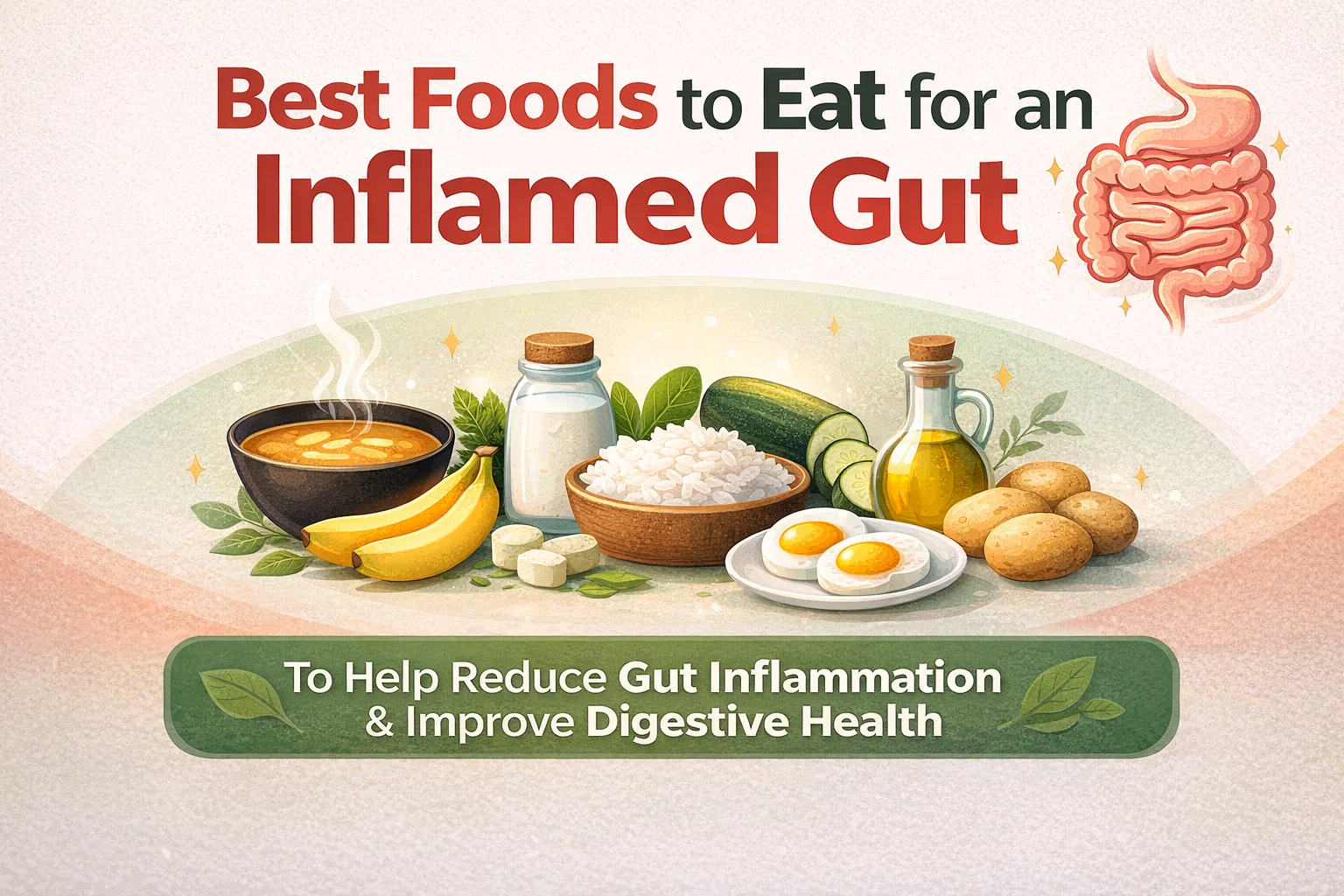
8 Gentle Foods for Gut Inflammation Relief Best Anti-Inflammatory Digestive Health Tips
Navigating the world of nutrition can feel like a minefield when your digestive system is in a state of rebellion. Whether it is a temporary flare-up or a long-term journey toward better digestive health, the foods you put on your plate act as the primary communication tool for your body. When the gut is inflamed, the standard rules of healthy eating—like loading up on raw kale and high-fiber grains—often go out the window. In these moments, your body isn’t looking for a challenge; it is looking for a rest. Understanding how to soothe an inflamed gut through gentle, strategic nutrition is the first step toward reclaiming your energy and comfort.
Understanding Gut Inflammation and Why Your Diet Matters
Inflammation in the digestive tract can stem from various sources, including stress, food sensitivities, or underlying imbalances in the microbiome. When the lining of the gut becomes irritated, its ability to process complex structures like tough fibers and raw proteins diminishes. This is why many people find that foods they usually consider healthy suddenly cause discomfort. By shifting your focus to “low-residue” and easily absorbable nutrients, you provide your intestinal wall the space it needs to repair itself without the mechanical stress of heavy digestion.
The goal of an anti-inflammatory gut protocol is not just about avoiding “bad” foods, but actively incorporating “healing” foods. These are items that are naturally soft, rich in specific amino acids, or low in fermentable carbohydrates that might otherwise cause gas and bloating. Think of this phase as a “soft reset” for your internal ecosystem.
The Power of Liquid Gold: Bone Broth
Bone broth has earned its reputation as a cornerstone of holistic gut health for good reason. Unlike standard stock, bone broth is simmered for an extended period, which draws out collagen, gelatin, and essential amino acids like glycine and glutamine. These specific compounds are the building blocks of the gut lining. When the intestinal barrier is compromised, these nutrients help to “knit” the tissue back together, supporting a healthy mucosal layer.
Hydration and Easy Absorption
One of the biggest challenges during a digestive flare-up is staying hydrated and nourished when solid food feels heavy. Bone broth provides a bioavailable source of minerals and electrolytes. Because it is a liquid, the body requires almost zero energy to break it down, allowing the nutrients to enter the bloodstream and reach the gut tissues almost immediately. It is the ultimate comfort food for a stressed system.
Gentle Carbohydrates: Cooked White Rice and Steamed Potatoes
While whole grains are often touted for their fiber content, they can be too abrasive for an inflamed gut. This is where white rice and peeled, steamed potatoes shine. These are considered “safe” starches because they are almost entirely composed of simple amylopectin, which is very easy for the small intestine to dismantle and turn into glucose for energy.
Energy Without the Irritation
When you are dealing with gut issues, your energy levels often tank. Your body is using its resources to manage inflammation rather than fueling your day. White rice provides a clean, low-fiber fuel source that doesn’t leave behind a lot of “bulk” to irritate the colon. Similarly, steamed potatoes (with the skins removed) offer a soft texture and a healthy dose of potassium, which is vital for muscle function and fluid balance.
Vegetables That Wont Cause Bloating: Steamed Zucchini
Fiber is a double-edged sword. We need it for long-term health, but during an inflammatory episode, certain types of fiber—specifically the insoluble kind found in raw vegetables—can act like sandpaper on an open wound. Steamed zucchini is a fantastic alternative. When peeled and steamed until soft, zucchini becomes a low-residue vegetable that provides essential vitamins without the harsh cellular walls of raw greens.
The Role of Low-Fermentable Fiber
Zucchini is naturally low in the types of sugars that gut bacteria ferment rapidly. By steaming it, you break down the vegetable’s structure even further, making it incredibly gentle on the stomach. It allows you to maintain your intake of phytonutrients and antioxidants without the risk of the painful gas or cramping that often accompanies “heavy” vegetable dishes.
Protein Basics: Poached Eggs and Lean Sources
Repairing tissue requires protein, but many protein sources are tough to digest. Red meats or fried proteins stay in the stomach for a long time, requiring significant acid and enzyme production. Poached eggs are perhaps the most “pre-digested” form of high-quality protein you can consume. The cooking process for a poached egg keeps the fats stable and the proteins soft and accessible.
Tissue Repair and Amino Acids
Eggs contain a complete profile of amino acids necessary for cellular regeneration. By poaching them, you avoid the use of heavy oils or high-heat searing that can create inflammatory byproducts. They are soft enough to be tolerated by even the most sensitive stomachs while providing the literal building blocks your body needs to fix the gut lining.
Healthy Fats for Systemic Balance: Olive Oil
Not all fats are created equal when it comes to inflammation. High-quality extra virgin olive oil is rich in oleocanthal, a phenolic compound that has been studied for its anti-inflammatory effects similar to ibuprofen. Incorporating a drizzle of olive oil over your rice or zucchini provides the healthy fats needed for nutrient absorption—especially for vitamins A, D, E, and K—without triggering the gallbladder to overwork.
Supporting the Microbiome
Olive oil also supports a healthy balance of microbes in the digestive tract. It has mild antimicrobial properties against harmful bacteria while acting as a soothing lubricant for the entire digestive canal. It is a simple way to add caloric density to a healing diet without adding volume or mechanical stress.
The Probiotic Question: Fermented Foods in Small Amounts
Fermented foods like yogurt and kefir are often recommended for gut health, but there is a catch: when the gut is highly inflamed, a massive influx of probiotics can sometimes cause a “die-off” reaction or overstimulation. The key is to introduce these in small, measured amounts.
Restoring the Balance
When tolerated, a few spoonfuls of high-quality, unsweetened yogurt or kefir can reintroduce beneficial bacteria that help crowd out the inflammatory ones. These foods are essentially “pre-digested” by the bacteria used to ferment them, making the lactose easier to handle and the nutrients more available. If you are in the middle of a severe flare, start with just a teaspoon and see how your body responds before making it a meal staple.
Nature’s Soother: Bananas
The banana is a classic for a reason. It is the “B” in the BRAT diet (Bananas, Rice, Applesauce, Toast) used for decades to treat digestive upset. Bananas are rich in pectin, a soluble fiber that helps to “gel” the contents of the digestive tract. This is particularly helpful for maintaining stool consistency and soothing the lining of the large intestine.
Potassium and Electrolyte Support
Beyond their texture, bananas are a powerhouse of potassium. Digestive issues often lead to a loss of electrolytes, which can cause muscle weakness and brain fog. A ripe banana (look for those with a few brown spots, as they are easier to digest than green ones) provides a quick, soft, and sweet way to replenish those stores while keeping the gut calm.
Practical Tips for a Gut-Healing Kitchen
Choosing the right ingredients is only half the battle; how you prepare and consume them matters just as much. To maximize the healing potential of these foods, consider these lifestyle adjustments:
- Focus on Temperature: Very cold foods can shock the digestive system. Try to eat your meals warm or at room temperature to encourage blood flow to the gut.
- Chew Thoroughly: Digestion begins in the mouth. By chewing each bite until it is nearly liquid, you take a massive burden off your stomach and small intestine.
- Keep it Simple: During a flare-up, avoid complex spice blends, spicy peppers, or heavy sauces. Let the natural flavors of the whole foods lead the way.
- Smaller, More Frequent Meals: Instead of three large meals, try five small “mini-meals.” This prevents the gut from being overwhelmed by a large volume of food at once.
The Road to Recovery and Long-Term Wellness
It is important to remember that a “gut-healing diet” is often a bridge to a more diverse way of eating. You wont need to eat only white rice and steamed zucchini forever. As your symptoms subside and your energy returns, you can slowly begin to reintroduce more complex fibers and raw foods, one at a time, to see how your body handles them. This process of listening to your body creates a deeper connection with your personal health and helps you identify specific triggers you may have previously ignored.
Gut health is not a destination but a continuous practice of balance. By prioritizing these eight gentle foods during times of inflammation, you are giving your body the best possible environment to do what it does best: heal itself. Whether you are sipping on a warm mug of bone broth or enjoying a simple bowl of poached eggs and rice, know that every bite is a step toward a more comfortable, vibrant you.
Conclusion
Taking care of your gut is one of the most transformative things you can do for your overall health. When inflammation strikes, the best approach is to simplify, soften, and soothe. By leaning on staples like bone broth, cooked white rice, and steamed vegetables, you provide your body with the nutrients it needs without the irritation it doesn’t. Remember to be patient with yourself during the healing process. Digestive repair takes time, but with the right nutritional support, you can settle the storm and return to a life of balance and vitality. Save these tips and food ideas for the next time you or a loved one needs a little extra digestive TLC.
Would you like me to generate some specific recipe ideas using these eight ingredients for your blog?