12 Essential Micronutrients for Thyroid, Sleep Metabolism Holistic Health Guide
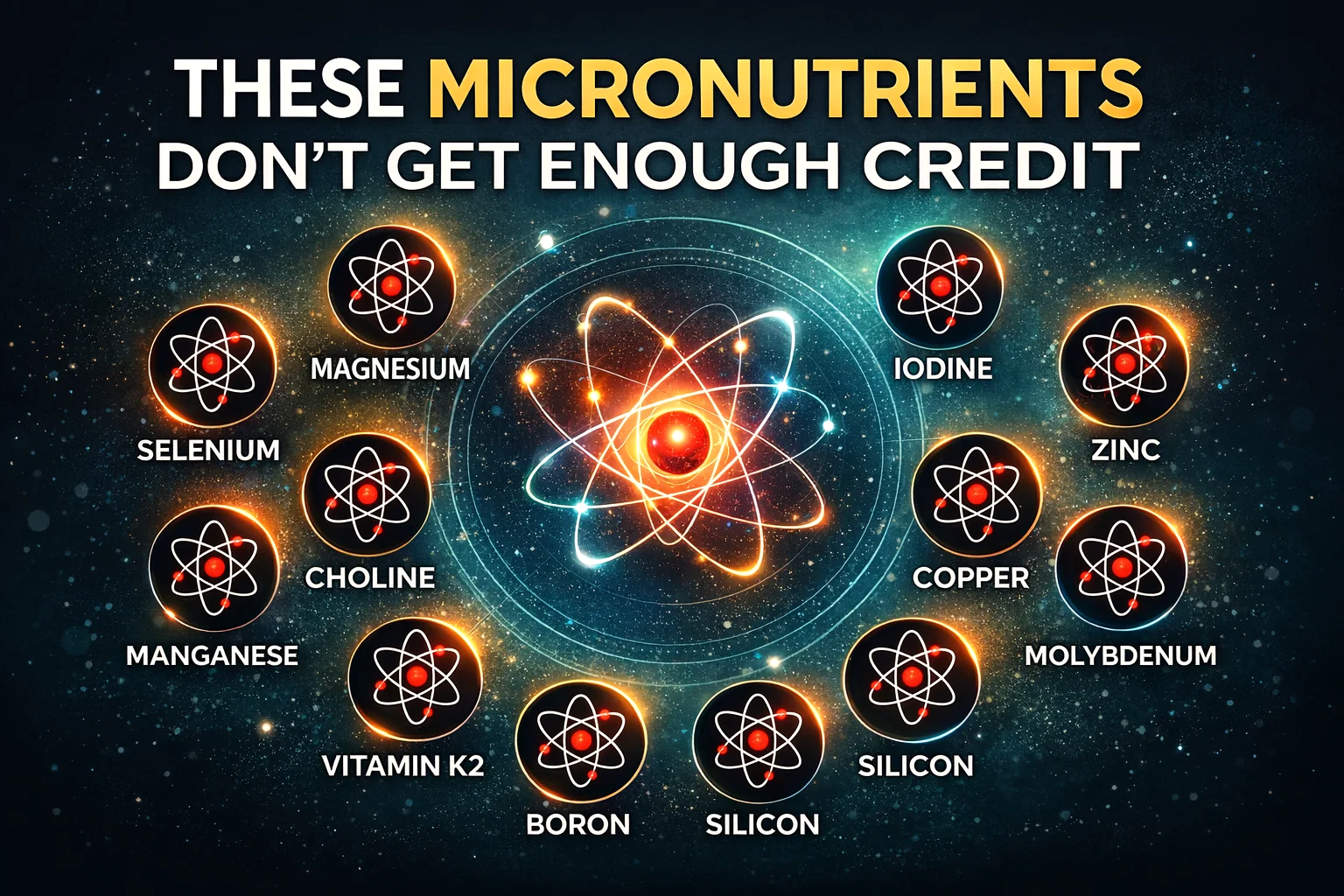
Have you ever felt like you are doing everything right with your diet and exercise, yet you still feel sluggish, foggy, or just slightly out of balance? We often spend so much time counting our macros—protein, carbs, and fats—that we completely overlook the microscopic spark plugs that keep our entire biological engine running. These are the micronutrients, the vitamins and minerals that, while required in small amounts, carry the heavy lifting for our hormones, brain function, and cellular repair. Many of these essential elements do not get nearly enough credit in the mainstream wellness conversation. It is time to shine a light on the quiet heroes of human health and understand how they can transform your daily well-being.
The Foundation of Energy and Relaxation: Magnesium
If there is one mineral that acts as the ultimate multitasker, it is magnesium. Involved in over 300 enzymatic reactions, magnesium is the silent conductor of your body’s orchestra. It is perhaps most famous for its ability to support deep, restorative sleep and regulate the stress response. When your magnesium levels are optimal, your muscles can relax, and your nervous system can shift from a state of high alert into a peaceful, parasympathetic state.
Beyond sleep, magnesium is critical for energy production. It helps convert the food you eat into cellular energy, known as ATP. Without enough magnesium, you might find yourself reaching for a third cup of coffee just to get through the afternoon. Because modern soil depletion has made it harder to get magnesium from food alone, focusing on this mineral is a game changer for anyone dealing with chronic tension or fatigue.
The Master Regulator: Iodine and Thyroid Health
Iodine is a trace element that is absolutely non-negotiable for a healthy metabolism. Its primary job is to serve as a building block for thyroid hormones. Your thyroid gland, located in your neck, acts as the thermostat for your body. It regulates how quickly you burn calories, how warm or cold you feel, and how much energy you have throughout the day.
A deficiency in iodine can lead to a sluggish thyroid, which often manifests as weight gain, thinning hair, and a constant feeling of being cold. While iodized salt was the traditional solution, many people moving toward gourmet sea salts may accidentally be missing out. Incorporating iodine-rich sources or ensuring proper supplementation can help keep your metabolic fire burning bright.
Immunity and Sensory Perception: The Power of Zinc
Most people only think of zinc when they feel a cold coming on, but this mineral is far more than just an immune booster. Zinc is essential for wound healing, DNA synthesis, and even your sense of taste and smell. It plays a pivotal role in hormone signaling, particularly for testosterone and insulin, making it vital for both men and women.
If you notice that your skin takes a long time to heal from minor cuts or that your appetite seems dull, you might be low on zinc. It acts as a gatekeeper for your immune system, ensuring that your white blood cells can effectively identify and neutralize threats before they turn into full-blown illnesses.
The Antioxidant Bodyguard: Selenium
Selenium is a trace mineral that punches way above its weight class. Its most important role is in antioxidant defense. It is a key component of glutathione peroxidase, an enzyme that protects your cells from oxidative stress and damage. Think of selenium as the security guard that prevents “rust” from forming inside your body.
Furthermore, selenium works hand-in-hand with iodine. While iodine helps create thyroid hormones, selenium is required for the conversion of the inactive thyroid hormone (T4) into the active form (T3) that your body can actually use. Without selenium, your thyroid might be producing hormones that simply sit idle, leaving you feeling tired despite “normal” lab results.
Brain Fuel and Liver Support: Choline
Choline is often grouped with B vitamins, and it is absolutely critical for the structural integrity of your cell membranes. However, its most exciting benefits happen in the brain. Choline is a precursor to acetylcholine, a neurotransmitter that is essential for memory, mood, and muscle control. If you want to maintain a sharp mind as you age, choline should be at the top of your list.
Additionally, choline is vital for liver health. It helps transport fats out of the liver, preventing the buildup that can lead to non-alcoholic fatty liver disease. Despite its importance, many people do not consume enough choline, especially if they avoid eggs or organ meats. Prioritizing this nutrient can lead to better focus and a cleaner, more efficient internal filtration system.
The Secret to Bone and Heart Health: Vitamin K2
For decades, we were told that calcium was the only thing that mattered for strong bones. We now know that calcium needs a GPS system to tell it where to go, and that GPS is Vitamin K2. While Vitamin D helps you absorb calcium, Vitamin K2 ensures that the calcium goes into your bones and teeth rather than your arteries and soft tissues.
By directing calcium away from the cardiovascular system, Vitamin K2 helps prevent arterial calcification, which is a major factor in heart health. It is the bridge between skeletal strength and circulatory longevity. If you are taking a Vitamin D supplement without K2, you are only getting half of the story.
The Trace Minerals: Manganese, Molybdenum, and Copper
While we hear about the “big” minerals often, trace elements like manganese, molybdenum, and copper are just as vital for specific biological functions.
Manganese for Bone and Metabolism
Manganese contributes to many bodily processes, including amino acid, cholesterol, glucose, and carbohydrate metabolism. It is also a component of an antioxidant enzyme called superoxide dismutase, which helps fight free radicals. Furthermore, it plays a role in bone formation and blood clotting, making it a multifaceted player in your internal chemistry.
Molybdenum for Detoxification
Molybdenum is a mineral that most people cannot even spell, let alone realize they need. However, it is a crucial cofactor for enzymes that break down sulfites and prevent the buildup of toxins in the body. If you have ever felt sensitive to wine or certain preservatives, your molybdenum pathways might be working overtime to detoxify those sulfur compounds.
Copper for Iron and Nervous System
Copper is necessary for iron metabolism. Without it, your body cannot properly use iron to create red blood cells, which can lead to anemia-like symptoms even if you are eating plenty of iron. Copper also helps maintain the health of your nervous system and strengthens connective tissues like collagen, keeping your joints and skin resilient.
Managing Blood Sugar with Chromium
In a world full of processed sugars and hidden carbohydrates, chromium is your best friend for metabolic stability. This trace mineral improves insulin sensitivity. When your cells are more sensitive to insulin, they can more efficiently pull sugar out of the bloodstream and use it for energy. This prevents the “sugar crashes” that lead to irritability and cravings. By supporting stable blood sugar, chromium helps maintain consistent energy levels throughout the day and supports long-term weight management.
The Connective Tissue Experts: Boron and Silicon
Finally, we have the minerals that keep our physical structure intact. Boron is fascinating because it helps the body utilize Vitamin D and Magnesium more effectively. It has been shown to improve bone density and balance hormones like estrogen and testosterone. Silicon, on the other hand, is the “beauty mineral.” It is essential for the synthesis of collagen and elastin, which are the proteins responsible for skin elasticity, thick hair, and strong nails. If you want a natural glow from the inside out, silicon and boron are your secret weapons.
How to Optimize Your Micronutrient Intake
Now that you know which nutrients deserve more credit, how do you ensure you are getting enough? The first step is always a diverse, whole-food diet. However, because of modern farming practices, even the healthiest eaters might find gaps in their nutrition. Here are a few tips to maximize your intake:
- Eat the Rainbow: Different colors in vegetables often signal different mineral profiles.
- Include Seafood: Seaweed and shellfish are some of the best sources of iodine, selenium, and zinc.
- Consider Bioavailability: Pair certain nutrients together, like Vitamin D with K2, to ensure they are used correctly by the body.
- Listen to Your Body: Cravings, energy dips, and sleep quality are all signals from your body about its nutritional status.
Conclusion: Small Nutrients, Big Impact
The journey to optimal health is not always about the big, sweeping changes. Often, it is about the small, invisible details that happen at a cellular level. By giving credit to micronutrients like magnesium, choline, boron, and Vitamin K2, you are providing your body with the tools it needs to repair, regulate, and thrive. You do not have to be a nutritionist to start making better choices. Simply being aware of these twelve essential elements allows you to approach your wellness with more intention. Start prioritizing these unsung heroes today, and you will likely find that your body responds with more energy, better sleep, and a renewed sense of vitality. Your health is built one molecule at a time, so make sure those molecules are the right ones!