4 Homemade Dumpling Spring Roll Wrapper Recipes Easy Wonton, Gyoza Lumpia Wrappers
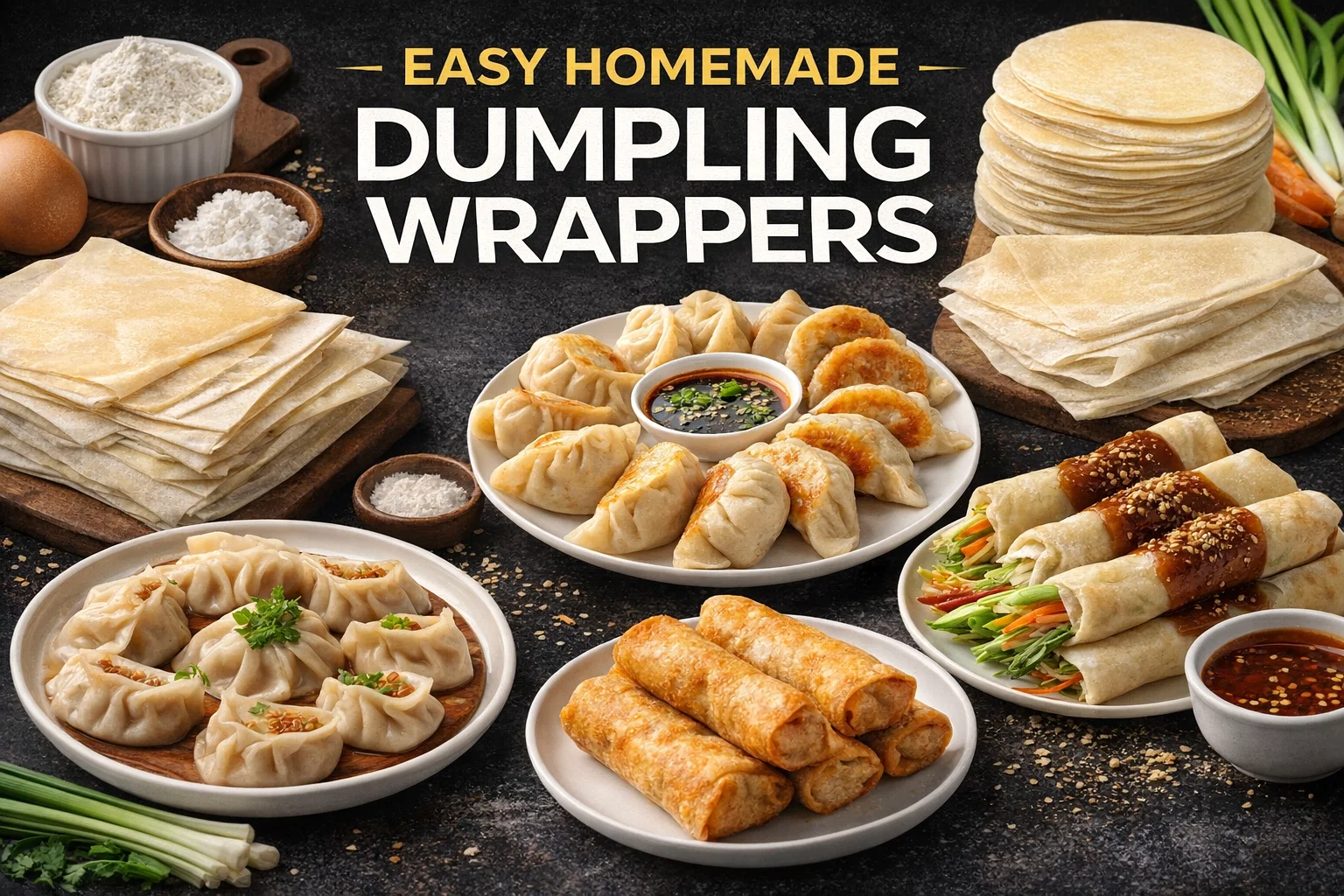
Mastering the art of Asian dumplings and spring rolls starts with one fundamental element: the wrapper. While store-bought options are convenient, nothing compares to the elasticity, freshness, and satisfaction of a homemade dough. Whether you are aiming for the delicate translucent skin of a wonton or the hearty, chewy bite of a pan-fried gyoza, the secret lies in the specific ratios of flour, water, and technique. This guide breaks down four essential wrapper recipes that will transform your kitchen into a professional dim sum parlor.
The Essential Wonton Wrapper: Golden and Versatile
Wonton wrappers are perhaps the most versatile doughs in Chinese cuisine. Known for their distinct yellow hue and thin, slippery texture when boiled, these wrappers require a specific balance of ingredients to ensure they hold their shape in a hot broth. Unlike other dumpling skins, wontons traditionally include an egg yolk, which adds richness and a beautiful golden color.
Ingredients and Texture
To create the perfect wonton skin, you will need 2 cups of all-purpose flour, 1 teaspoon of salt, 1 egg yolk, and 1/2 cup of cold water. The addition of cornstarch is vital here, not for the dough itself, but for dusting. Because wonton skins are rolled so thin, they tend to stick together. Generous amounts of cornstarch between the layers prevent a sticky disaster.
Folding and Cooking Tips
The texture of a wonton wrapper should be silk-like once cooked. When kneading the dough, ensure it is smooth and elastic. If the dough feels too tough, let it rest for at least thirty minutes to allow the gluten to relax. This makes the rolling process much easier, allowing you to achieve that signature paper-thin consistency that melts in your mouth.
Gyoza Wrappers: The Secret to the Perfect Pan-Fry
Japanese gyoza are celebrated for their unique cooking method, which involves both frying and steaming. To withstand this process, the wrapper needs to be slightly sturdier than a wonton skin but still tender enough to pleat beautifully. The key differentiator for gyoza dough is the use of boiling water.
The Science of Hot Water Dough
By using 2 cups of boiling water with 4 cups of all-purpose flour, you are essentially “scalding” the flour. This process denatures the proteins and limits gluten development, resulting in a dough that is incredibly easy to work with and very pliable. It allows you to create those intricate pleats that characterize a professional-looking gyoza. Add 1/2 teaspoon of coarse kosher salt to enhance the flavor of the wheat.
Achieving the Golden Crust
Because these wrappers are made with a hot water starter, they crisp up beautifully in a skillet. When you add water to the pan to steam them, the wrappers absorb the moisture without becoming soggy, maintaining a pleasant chewiness that contrasts perfectly with the crunchy bottom.
Spring Roll Wrappers: Thin, Crispy, and Shatter-Proof
A great spring roll is defined by its crunch. Achieving that shatter-at-the-first-bite texture requires a wrapper that is significantly different from a dumpling skin. These are often called “paper” wrappers for a reason. They are lean, thin, and designed specifically for deep-frying.
The Role of Cornflour
The recipe for these wrappers uses 2 cups of all-purpose flour (often referred to as maida) combined with 1 cup of cornflour (cornstarch). The cornflour is the secret ingredient that ensures the wrapper stays light and crisp rather than heavy and oily. With 3 and 1/2 cups of water and a pinch of salt, this mixture often starts as a very thick batter or a very soft dough depending on your specific regional technique.
Greasing for Success
When working with spring roll skins, oil is your best friend. Greasing the surfaces helps in stretching the dough to its limit. When these hit the hot oil, the high starch content causes the surface to blister and crisp up instantly, creating that iconic golden-brown shell we all love.
Fresh Lumpia Wrappers: Soft, Crepe-Like Perfection
Lumpia, particularly the “Fresh” or Sariwa version from the Philippines, uses a wrapper that is more akin to a savory crepe than a traditional dough. These are not fried, so they must be soft, delicate, and flavorful enough to stand on their own while holding a heavy filling of vegetables and meat.
The Batter Method
Unlike the kneaded doughs of gyoza or wontons, fresh lumpia wrappers are made from a liquid batter. You will need 1 cup of all-purpose flour, 2 eggs, 2 tablespoons of canola oil, 1/8 teaspoon of salt, and 1 1/2 cups of water. The eggs provide structure and a rich flavor, while the oil ensures the wrapper remains soft and flexible even after it cools.
Cooking the Wrapper
To cook these, you need a non-stick pan and a steady hand. A small amount of cooking oil is used to lightly coat the pan. You pour a thin layer of batter and swirl it around, much like making a French crepe. The result is a translucent, soft sheet that perfectly encases fresh ingredients and sweet peanut sauce.
Pro Tips for All Homemade Wrappers
- Let the Dough Rest: Always give your dough at least 30 to 60 minutes to rest. This allows the moisture to hydrate the flour evenly and relaxes the gluten, making it ten times easier to roll out.
- Keep it Covered: Flour-based doughs dry out quickly. Always keep your dough ball and your finished wrappers under a damp cloth or plastic wrap while you work.
- Dusting is Key: Use cornstarch instead of flour for dusting between finished wrappers. Flour can be absorbed into the dough and make it gummy, whereas cornstarch stays on the surface and keeps them separated.
- Uniform Thickness: If you find it difficult to get a consistent thickness with a rolling pin, consider using a pasta machine. It is a fantastic shortcut for getting perfectly even wonton or gyoza skins.
Common Mistakes to Avoid
One of the most frequent errors is using too much water. If your dough is too sticky, it will be impossible to pleat or fold. Always add water gradually. Another mistake is rolling the edges too thick. For dumplings like gyoza, you want the center to be slightly thicker to hold the filling, while the edges should be thinner so that when they are pleated together, the dough doesn’t become a thick, doughy knot.
Storage and Freezing
If you have made a large batch, you can easily freeze these wrappers. Place a small square of parchment paper or a heavy dusting of cornstarch between each wrapper, stack them, and wrap them tightly in plastic wrap before placing them in a freezer bag. They can last for up to three months. To use, simply thaw them in the refrigerator overnight.
Conclusion: Bringing the Flavors Home
Creating your own wrappers from scratch is a rewarding culinary journey that elevates any Asian-inspired meal. By understanding the differences between a cold water dough, a hot water dough, and a liquid batter, you gain the ability to customize your textures and flavors perfectly. Whether you are folding delicate wontons for a comforting soup or crisping up gyoza for a crowd, these four recipes provide the perfect foundation for success. Put on some music, clear off your counter, and enjoy the meditative process of kneading and rolling. Your taste buds will thank you for the effort. Don’t forget to experiment with different fillings once you have mastered the skins. The possibilities are truly endless when you have the perfect wrap!