8 Best Foods to Reduce Anxiety Naturally Mood-Boosting Diet Tips for Stress Relief
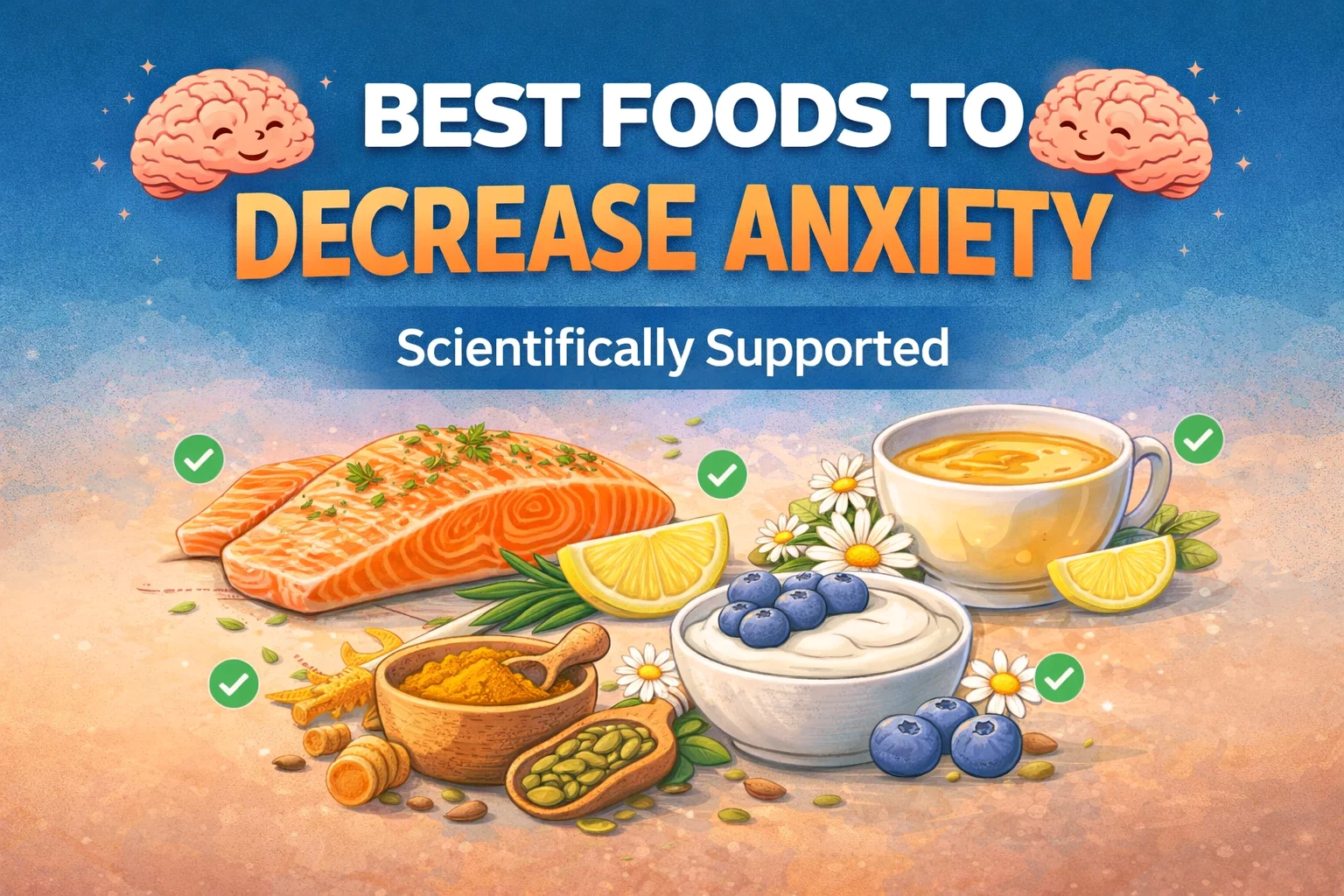
Understanding the connection between what we eat and how we feel is one of the most empowering steps you can take for your mental well-being. Modern life brings a constant stream of stressors, but nature has provided a literal pharmacy of ingredients that can help quiet the mind. The image above highlights eight incredible powerhouses that do more than just fill your stomach; they actively work to regulate your nervous system and promote a sense of calm. By focusing on nutrient-dense options like salmon, dark chocolate, and leafy pumpkin seeds, you are giving your brain the raw materials it needs to manage cortisol and boost feel-good neurotransmitters. Let us dive deep into how these specific foods function and how you can easily integrate them into your daily routine for a more peaceful life.
The Science of Food and Mood
The relationship between the gut and the brain is often referred to as the gut-brain axis. This bidirectional communication system means that the health of your digestive tract directly impacts your emotional state. Scientific studies have shown that inflammation in the body can lead to increased feelings of unease. By consuming anti-inflammatory foods like turmeric and blueberries, you are effectively lowering the internal heat that contributes to mental fatigue. When we choose whole, unprocessed ingredients, we provide our bodies with complex vitamins and minerals that stabilize blood sugar, preventing the spikes and crashes that often mimic the physical symptoms of a panic attack.
The Role of Omega-3 Fatty Acids in Salmon
Salmon is frequently cited as a top tier brain food because it is exceptionally rich in omega-3 fatty acids. These healthy fats are essential components of brain cell membranes and play a vital role in signaling pathways. Specifically, the EPA and DHA found in fatty fish help reduce inflammation and promote healthy blood flow in the brain. When your brain is well-nourished with these fats, it can better regulate the production of dopamine and serotonin. If you are not a fan of salmon, other fatty fish like mackerel or sardines offer similar benefits. Aim for at least two servings a week to keep your cognitive function sharp and your stress levels low.
Chamomile Tea for Nighttime Calm
Chamomile has been used for centuries as a natural remedy for sleep and relaxation. The secret lies in an antioxidant called apigenin, which binds to certain receptors in your brain that may promote sleepiness and reduce insomnia. Sipping on a warm cup of chamomile tea before bed creates a soothing ritual that signals to your body it is time to wind down. Beyond its sedative properties, chamomile is known to soothe the digestive system, which is often where we hold physical tension when we are feeling overwhelmed. It is a gentle, caffeine-free way to reset your system after a long day.
Probiotics and the Power of Yogurt
It might seem strange to think that bacteria in your yogurt could change your mood, but the science is clear. Probiotics are beneficial bacteria that live in your gut and produce a large portion of your body’s serotonin. Yogurt containing live active cultures helps maintain a diverse microbiome, which is linked to lower levels of stress and better emotional regulation. When your gut is out of balance, it can send distress signals to the brain, leading to irritability. Adding a bowl of Greek yogurt with fresh fruit to your breakfast routine is a simple way to support your internal ecosystem.
L-Theanine and the Focus of Green Tea
While many people reach for coffee when they feel tired, the high caffeine content can sometimes trigger jitters. Green tea is a fantastic alternative because it contains L-theanine, an amino acid that promotes relaxation without drowsiness. L-theanine works by increasing the activity of GABA, a neurotransmitter that has anti-anxiety effects. It also increases dopamine and the production of alpha waves in the brain. This results in a state of relaxed alertness, making it easier to tackle your to-do list without feeling the weight of mounting pressure. The combination of a small amount of caffeine and L-theanine provides a smooth energy boost that is much kinder to your nervous system.
Turmeric and Curcumin for Brain Protection
Turmeric is the golden spice that has taken the wellness world by storm, and for good reason. Its active compound, curcumin, is a potent antioxidant and anti-inflammatory agent. Research suggests that curcumin can boost brain-derived neurotrophic factor, a type of growth hormone that functions in your brain. Low levels of this hormone have been linked to various mental health challenges. By adding turmeric to your soups, stews, or even your morning latte, you are helping to protect your brain from oxidative stress. Pair it with a pinch of black pepper to significantly increase the absorption of curcumin into your bloodstream.
Blueberries and Oxidative Stress
Blueberries are often called a superfood because they are packed with flavonoids. These antioxidants help combat oxidative stress and inflammation, which can contribute to mood disorders. The vibrant blue color of these berries comes from anthocyanins, which have been specifically linked to improved cognitive function and a brighter outlook. Because they are low in sugar and high in fiber, blueberries provide a steady stream of energy. You can toss them into smoothies, oatmeal, or eat them by the handful as a refreshing snack that supports your brain health and keeps your sugar levels stable throughout the afternoon.
The Joy of Dark Chocolate
Yes, you really can eat chocolate for your health. Dark chocolate is rich in flavonoids that increase blood flow to the brain and improve heart health. It also contains small amounts of magnesium, which is a mineral known for its ability to relax muscles and calm the nervous system. Eating a small piece of dark chocolate can trigger the release of endorphins, the body’s natural feel-good chemicals. To get the most benefit, look for varieties that are at least 70 percent cocoa. This ensures you are getting a high concentration of antioxidants with less sugar, allowing you to enjoy a delicious treat that actually supports your mental clarity.
Magnesium and Pumpkin Seeds
Pumpkin seeds are one of the best plant-based sources of magnesium. Magnesium is often called the original chill pill because it plays a crucial role in the body’s stress response. Many people are actually deficient in this mineral, which can lead to increased feelings of tension and muscle aches. Just a small handful of pumpkin seeds provides a significant portion of your daily requirement. They are also rich in potassium and zinc, which help regulate blood pressure and support the immune system. Keep a jar of roasted pumpkin seeds on your desk for a crunchy, satisfying snack that keeps your nerves steady during a busy workday.
Practical Ways to Incorporate These Foods
Integrating these eight foods into your lifestyle does not have to be complicated or expensive. The key is consistency rather than perfection. You can start by making small swaps in your current meals. For example, try replacing your afternoon soda with a cup of iced green tea or swapping your sugary cereal for yogurt topped with blueberries and pumpkin seeds. Preparing a batch of roasted salmon and vegetables for dinner can provide leftovers for a brain-boosting lunch the next day. By keeping these ingredients visible in your kitchen, you are more likely to reach for them when hunger strikes.
Creating a Calming Meal Environment
Beyond what you eat, how you eat also matters. Taking the time to sit down and enjoy your food without distractions like your phone or the television can help your body enter a parasympathetic state, which is necessary for proper digestion. Deep breathing before a meal can further signal to your nervous system that you are safe and ready to nourish yourself. When you combine nutrient-dense foods with a mindful eating practice, you amplify the benefits for your mental health. Treat your mealtime as a sacred break in your day to reconnect with yourself and recharge your batteries.
The Importance of Hydration
While we have focused heavily on solid foods, hydration is equally important for maintaining a balanced mood. Dehydration can lead to headaches, fatigue, and increased irritability, which can make daily stressors feel much heavier than they actually are. Drinking plenty of water throughout the day ensures that your brain can function optimally. If you find plain water boring, infusing it with slices of lemon or cucumber can make it more appealing. Herbal teas like the chamomile mentioned earlier also count toward your daily fluid intake and provide an extra layer of relaxation.
Conclusion: A Holistic Approach to Wellness
Feeding your brain the right nutrients is a powerful tool, but it works best as part of a larger holistic approach to health. While salmon, turmeric, and berries provide the building blocks for a calmer mind, they are most effective when paired with regular movement, adequate sleep, and meaningful social connections. Think of your diet as the foundation upon which the rest of your wellness habits are built. When you nourish your body with intention, you are sending a powerful message to yourself that your well-being is a priority. Start today by choosing one or two of these anxiety-reducing foods and notice how much better you feel when your brain is properly fueled. A calmer, more centered version of yourself is just a few intentional bites away.