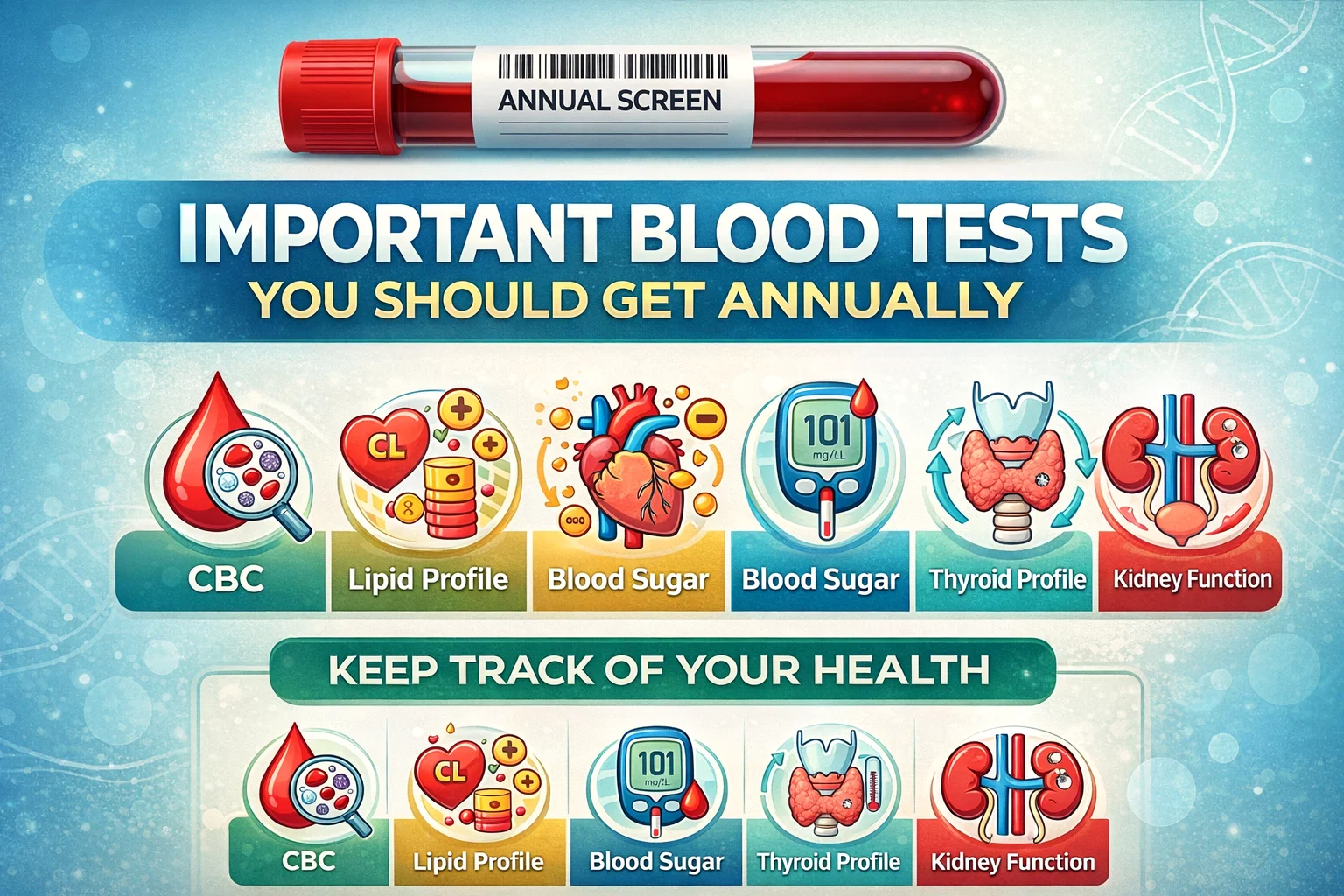
8 Essential Annual Blood Tests for Health Tracking CBC, Lipid, Diabetes Vitamin Screen
Taking charge of your health is one of the most empowering things you can do for your future self. While we often focus on how we feel on the outside, what is happening internally provides the true blueprint of our well-being. Routine blood work is essentially a window into your bodys inner workings, offering a data-driven look at everything from your immune system strength to your organ efficiency. Many people wait until they feel symptomatic before visiting a doctor, but the real power of modern medicine lies in prevention. By monitoring specific biomarkers every year, you can catch potential health shifts long before they turn into chronic conditions. This guide explores the essential blood tests that should be part of your annual health strategy to ensure you stay vibrant and energized.
The Foundation of Health: Complete Blood Count (CBC)
The Complete Blood Count, or CBC, is often the first test listed on a lab requisition for a good reason. It is a broad screening tool that provides a snapshot of your overall blood health. This test measures several components of your blood, including red blood cells, white blood cells, and platelets. Red blood cells are responsible for carrying oxygen throughout your body. If these levels are low, you might be experiencing anemia, which often leads to unexplained fatigue and weakness.
White blood cells are the frontline soldiers of your immune system. An annual CBC helps detect if your body is currently fighting an infection or if there are signs of an underlying inflammatory condition. Finally, platelets are responsible for blood clotting. By keeping an eye on these numbers annually, you and your healthcare provider can identify trends in your immune function and bone marrow health, ensuring that your body is well equipped to heal and protect itself.
Heart Health and the Lipid Profile
Heart disease remains one of the leading health concerns globally, yet it is often called a silent condition because high cholesterol doesn’t usually cause symptoms until a major event occurs. This is why the Lipid Profile is a non-negotiable part of your yearly check-up. This panel measures different types of fats in your blood, providing a clear picture of your cardiovascular risk.
Understanding LDL and HDL Cholesterol
You have likely heard of good and bad cholesterol. LDL, or Low-Density Lipoprotein, is often labeled as the bad cholesterol because high levels can lead to plaque buildup in your arteries. Conversely, HDL, or High-Density Lipoprotein, is the good cholesterol that helps remove excess fat from your bloodstream. A healthy balance between these two is vital. Additionally, the lipid profile measures triglycerides, a type of fat found in your blood that your body uses for energy. High triglycerides, especially when combined with high LDL, can significantly increase the risk of heart disease. Tracking these numbers annually allows you to make dietary and lifestyle adjustments to keep your heart pumping strong.
Blood Sugar Monitoring: Fasting Glucose and HbA1c
Metabolic health is a cornerstone of longevity. With the rise of sedentary lifestyles and processed diets, monitoring how your body processes sugar is more important than ever. Blood sugar tests, specifically Fasting Glucose and HbA1c, are the primary tools for tracking diabetes or prediabetes. A fasting glucose test shows your blood sugar levels at a specific moment in time, usually after you haven’t eaten for several hours. This gives a clear look at how well your insulin is working to regulate sugar after your body has rested.
The HbA1c test offers a different perspective by measuring your average blood sugar levels over the past two to three months. This provides a long-term view that a single finger-prick test cannot. Because prediabetes often has no outward signs, these tests are crucial for early intervention. Catching elevated sugar levels early means you can often reverse the trend through nutrition and movement before it progresses into Type 2 diabetes.
Evaluating Your Internal Filters: Liver and Kidney Function
Your liver and kidneys are the ultimate detoxification team. They work tirelessly to filter waste, process nutrients, and maintain the chemical balance of your blood. Because these organs are so resilient, they often continue to function even when stressed, meaning you might not feel any pain until a problem is advanced. Regular Liver Function Tests (LFT) and Kidney Function Tests (KFT) are vital for early detection.
The Role of Liver Enzymes
The Liver Function Test measures various enzymes and proteins. When liver cells are damaged or inflamed, they leak certain enzymes into the bloodstream. By measuring these, doctors can assess for conditions like fatty liver disease, which is becoming increasingly common. The liver also produces albumin, a protein that keeps fluid from leaking out of your blood vessels. Monitoring these markers ensures your body can properly metabolize medications and clear out toxins.
Kidney Performance and Filtration
The Kidney Function Test looks at how well your kidneys are filtering waste products from your blood. One of the primary markers is creatinine, a waste product from muscle breakdown that healthy kidneys should easily filter out. Another key metric is the Glomerular Filtration Rate (GFR), which estimates how much blood passes through the kidneys each minute. Keeping your kidneys healthy is essential for regulating blood pressure and maintaining a proper balance of electrolytes like potassium and sodium.
Optimizing Energy with Vitamin D and B12
It is surprisingly common for individuals to be deficient in key vitamins without realizing it. Vitamin D and Vitamin B12 are two of the most critical nutrients for daily function, yet many people fall below the optimal range. Vitamin D is often called the sunshine vitamin because our skin produces it in response to sunlight. It is essential for bone health, as it helps your body absorb calcium. Beyond bones, Vitamin D plays a massive role in immune function and mood regulation.
Vitamin B12 is equally important, particularly for nerve function and the production of DNA and red blood cells. A deficiency in B12 can lead to brain fog, tingling in the hands and feet, and severe fatigue. Because our bodies do not produce these vitamins naturally, we must get them from food or supplements. An annual blood test reveals exactly where your levels stand, allowing you to supplement precisely rather than guessing.
The Importance of the Thyroid Profile
Your thyroid is a small, butterfly-shaped gland in your neck that acts as the thermostat for your entire body. It produces hormones (TSH, T3, and T4) that regulate your metabolism, heart rate, and body temperature. When your thyroid is out of balance, everything can feel off. An overactive thyroid might make you feel anxious or cause rapid weight loss, while an underactive thyroid can lead to weight gain, depression, and sluggishness.
A Thyroid Profile ensures that your hormonal balance is on track. Because thyroid issues can mimic the symptoms of stress or aging, they are frequently overlooked. Regular testing helps confirm that your energy regulation and metabolic rate are functioning as they should, providing a clear answer to why you might be feeling tired or experiencing changes in your hair and skin health.
Tracking Inflammation: CRP and ESR
Inflammation is a natural response to injury or infection, but chronic, systemic inflammation is a silent driver of many modern diseases. Tests like C-Reactive Protein (CRP) and Erythrocyte Sedimentation Rate (ESR) act as markers for inflammation in the body. While these tests dont tell you exactly where the inflammation is located, they serve as a vital red flag.
High levels of CRP are often linked to an increased risk of heart attack or autoimmune flare-ups. By measuring these markers annually, you can see if lifestyle changes, such as reducing stress or changing your diet, are effectively lowering your internal inflammation levels. It is a proactive way to monitor your systemic health and ensure that your body isnt in a constant state of high alert.
Final Thoughts on Annual Screening
Your health is your most valuable asset, and annual blood tests are the best way to protect it. Rather than viewing these screenings as a chore, think of them as an annual performance review for your body. The data you gather from a CBC, Lipid Profile, Metabolic Panel, and Vitamin Screen provides you with the knowledge needed to make informed decisions about your lifestyle and habits.
Remember that these tests are most effective when discussed with a healthcare professional who understands your personal medical history. Every body is unique, and what is normal for one person might be a signal for another. By staying consistent with your yearly labs, you create a historical record of your health, making it much easier to spot subtle changes over time. Don’t wait for a reason to go to the lab. Be proactive, stay informed, and use these essential blood tests to fuel a long, healthy, and energetic life.