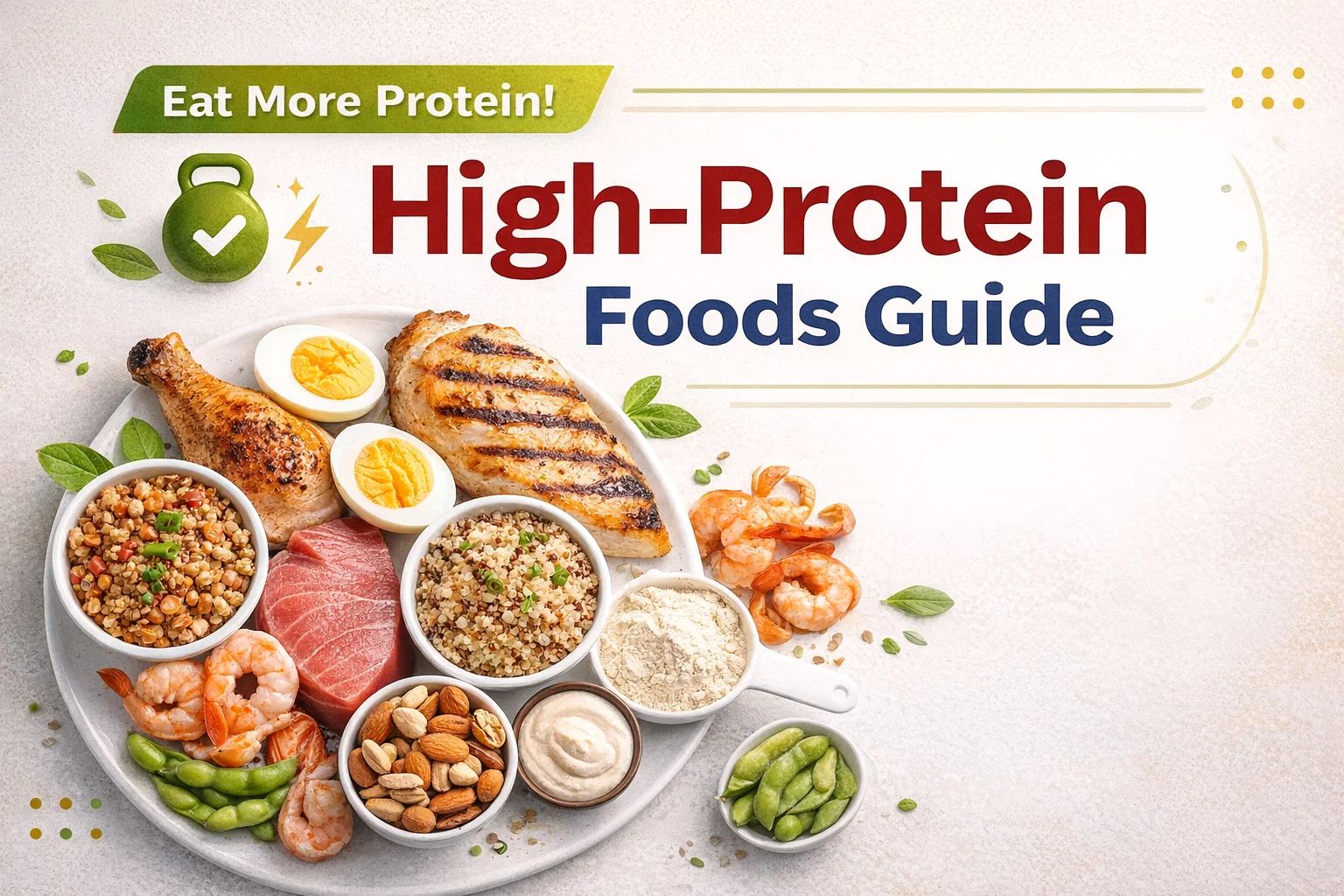
Complete Protein Guide Best High-Protein Foods for Your Healthy Diet Plan
Achieving your fitness and wellness goals often feels like a puzzle, and one of the biggest pieces is figuring out exactly how to hit your protein targets. Whether you are aiming to build muscle, recover faster after a intense workout, or simply want to feel more satiated throughout your busy day, protein is the nutritional cornerstone you cannot afford to ignore. But with so many conflicting opinions on what to eat, it is easy to get overwhelmed.
The good news is that meeting your requirements does not have to be complicated or boring. By understanding which foods pack the biggest nutritional punch, you can simplify your grocery shopping and meal planning significantly. In this guide, we are breaking down the best sources of protein, ranging from animal-based powerhouses to versatile plant-based staples, to help you make informed choices that fit your lifestyle.
Why Protein Matters for Your Health
Protein is the essential building block for your body. It is made up of amino acids that your body uses to build and repair tissues, make enzymes, and support healthy immune function. When you consume protein, you are essentially providing the raw materials needed for muscle growth and repair, which is why it is so highly prioritized in fitness circles. However, its benefits extend far beyond the gym. Protein is the most satiating macronutrient, meaning it helps you feel full for longer, which can be a game-changer if you are trying to manage your weight without constant hunger.
Animal-Based Protein: The Powerhouses
For many, animal-based products are a primary source of protein because they are generally “complete” proteins. This means they contain all nine essential amino acids that your body cannot produce on its own in the right proportions.
Poultry and Meat
When it comes to density and efficiency, lean meats are hard to beat. Chicken breast and turkey breast are top-tier choices because they are high in protein while being relatively low in fat. For those looking for more variety, lean cuts of beef, lamb, and pork loin provide not only a significant protein boost but also essential nutrients like iron, zinc, and B vitamins. The key here is focusing on leaner cuts to keep your saturated fat intake in check while maximizing your amino acid intake.
Fish and Seafood
Seafood is a fantastic way to vary your diet. Fish like tuna, salmon, and sardines are excellent, but they also offer the added benefit of heart-healthy omega-3 fatty acids. Shrimp, crab, and lobster are remarkably lean and high in protein, making them perfect for low-calorie meal plans where you still want a hearty, satisfying portion.
Eggs and Dairy
Often referred to as the “gold standard” for protein quality, eggs are incredibly versatile and affordable. While a single whole egg provides about 6 grams of protein, egg whites are an almost pure source of protein if you need to watch your calorie or fat intake. Dairy products like Greek yogurt, cottage cheese, and paneer are also excellent staples to keep in your fridge. They are easy to grab for snacks or to incorporate into breakfasts and smoothies, providing a sustained release of amino acids.
The Rise of Plant-Based Protein
You absolutely do not need to rely on meat to get high-quality protein. Plant-based eating has evolved, and there are now more accessible, nutrient-dense options than ever before. Whether you are fully vegan, vegetarian, or just looking to participate in “Meatless Mondays,” the plant kingdom has plenty to offer.
Legumes and Soy Products
Legumes are the unsung heroes of a healthy kitchen. Lentils, chickpeas, and various types of beans are not only high in protein but are also packed with fiber, which is crucial for digestive health. Then there is the soy family: Tofu, tempeh, and edamame are among the few plant sources that are considered complete proteins, making them stellar options for anyone avoiding animal products. Tempeh, in particular, offers a hearty texture and a good dose of probiotics.
Seeds and Nuts
While often used as toppings or snacks, seeds and nuts can contribute significantly to your daily protein total. Pumpkin seeds and hemp seeds are absolute nutritional powerhouses, often containing more protein per gram than many other plant sources. Incorporating a handful of almonds, pistachios, or walnuts into your day not only adds protein but also healthy fats and minerals. Consider adding a tablespoon of chia or flaxseeds to your morning oatmeal to get an easy, effortless boost.
Grains
While we often think of grains as carbohydrates, some are surprisingly high in protein. Oats and amaranth are excellent examples. Even though they should not be your sole protein source, they contribute to your overall intake and are great for sustained energy throughout the day.
Strategic Supplementation: When to Use It
Supplements should never replace whole food, but they are incredibly useful for convenience and hitting specific goals. If you have a busy lifestyle or find it difficult to eat enough protein from meals alone, supplements bridge the gap.
- Whey Protein: Known for its rapid absorption, making it ideal post-workout.
- Casein Protein: Slower digesting, which can be beneficial before bed to provide a slow drip of amino acids.
- Plant-Based Blends: Great for those with dairy sensitivities, usually combining pea, rice, or hemp proteins to ensure a complete amino acid profile.
- Collagen Peptides: Excellent for joint and skin health, though not a complete protein source, so use it as a supplement to, not a replacement for, other sources.
Conclusion: Crafting Your Approach
Ultimately, the “perfect” diet is the one that you can sustain for the long term. You don’t need to overcomplicate things or track every single gram to the decimal point to see progress. Start by identifying the high-protein foods you actually enjoy eating from the categories above, and prioritize incorporating them into every meal. By focusing on a mix of high-quality animal and plant sources, you ensure that your body has exactly what it needs to perform at its best.
Remember, consistency is far more important than perfection. Whether you are adding a scoop of protein powder to your morning shake or choosing lentils over pasta for dinner, every small choice adds up. Take a look at your current diet, find where you can add a bit more protein, and watch how it transforms your energy, recovery, and overall satisfaction. Happy eating!