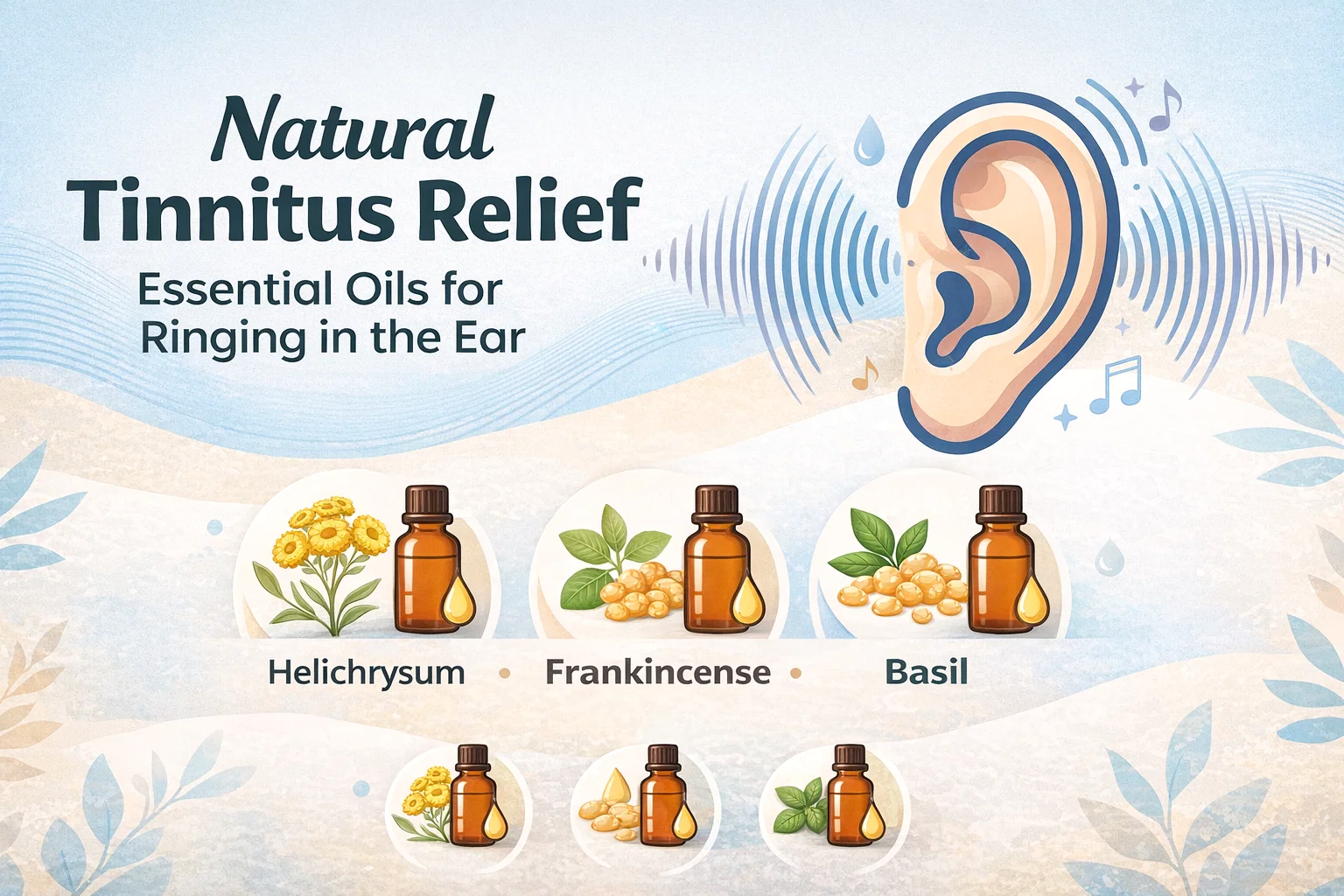
Natural Tinnitus Relief Best Essential Oils for Ear Ringing Jawline Application Tips
Living with a constant ringing, buzzing, or whistling in your ears can be more than just a minor annoyance. For many, tinnitus is a persistent companion that disrupts sleep, hinders concentration, and increases daily stress levels. While there is no one size fits all cure for this condition, many people are turning toward holistic and natural approaches to find relief. One of the most promising avenues in the world of natural wellness is the use of essential oils. These concentrated plant extracts offer a variety of therapeutic properties that can help soothe the symptoms of tinnitus and improve your overall quality of life.
Understanding Tinnitus and the Power of Aromatherapy
Tinnitus is often described as a phantom noise. It is the perception of sound when no external sound is present. It can be caused by various factors, including exposure to loud noises, age related hearing loss, or even tension in the jaw and neck. This is where aromatherapy and essential oils come into play. By utilizing the chemical compounds found in specific plants, we can target inflammation, improve circulation, and promote a sense of calm that helps the brain better manage these internal sounds.
The beauty of using essential oils for ear health lies in their versatility. Whether applied topically to the skin around the ear or used via a cotton ball at the entrance of the ear canal, these oils provide a non invasive way to support your auditory system. Let’s dive into the three powerhouse oils that are frequently recommended for those seeking a quiet mind and peaceful ears.
Helichrysum: The Nerve Repair Specialist
Often referred to as the Everlasting or Immortal flower, Helichrysum is perhaps the most highly regarded essential oil for ear related issues. It is prized in the holistic community for its incredible ability to support skin tissue regeneration and improve microcirculation. When it comes to tinnitus, Helichrysum is believed to help by reducing inflammation within the tiny blood vessels and nerves of the inner ear.
To use Helichrysum for ear ringing, the most effective method is the cotton ball technique. Simply place one drop of high quality Helichrysum essential oil onto a clean cotton ball. Place this cotton ball gently at the opening of your ear. It is crucial never to drop oils directly into the ear canal, as the eardrum is extremely sensitive. By placing it at the opening, the aromatic molecules can travel inward safely.
Frankincense: The King of Oils for Inflammation
Frankincense has been used for thousands of years for its meditative and healing properties. In the context of tinnitus, Frankincense acts as a powerful anti inflammatory agent. Many cases of ear ringing are exacerbated by systemic inflammation or tension in the head and neck region. Frankincense helps to ground the nervous system and reduce the body’s stress response, which can often make the perception of tinnitus much louder than it actually is.
For application, Frankincense works wonders when applied to the jawline. Using a single drop, you can massage the oil into the area right behind the earlobe and down along the back of the jaw. This area is often a source of tension (TMJ) that can contribute to ear pressure and ringing. The soothing scent also provides an immediate calming effect on the mind.
Basil: Clearing the Path to Silence
While you might associate Basil more with your kitchen than your medicine cabinet, its essential oil form is a potent antispasmodic. Basil oil is excellent for improving blood flow and relieving muscle spasms. If your tinnitus is related to vascular issues or muscle tightness in the neck and face, Basil can be a game changer. It helps to open up the pathways and ensure that the delicate structures of the ear are receiving adequate oxygen and nutrients.
Similar to Frankincense, Basil should be applied topically. A single drop applied to the back of the jaw and rubbed toward the chin can help relax the muscles that surround the auditory canal. This relaxation can lead to a noticeable decrease in the intensity of the ringing sounds.
Step by Step Application Instructions for Maximum Relief
To get the most out of your essential oil routine, consistency and proper technique are key. Following a specific application protocol ensures that the oils are absorbed effectively and safely. Here is a simple routine you can follow at home:
- Selection: Choose your oil based on your specific needs. Helichrysum for nerve support, or Frankincense and Basil for tension and inflammation.
- The Jawline Sweep: Apply one drop of your chosen oil (diluted with a carrier oil like coconut or jojoba if you have sensitive skin) to the area directly behind the ear.
- Massage: Gently run your finger down the jawline, moving from the ear toward the chin. This helps stimulate lymphatic drainage and eases muscle tightness.
- Frequency: For acute episodes of ringing, repeat this process every 2 to 4 hours. Consistent application helps maintain the therapeutic levels of the plant compounds in your system.
- Duration: Continue the routine until the ringing subsides or reaches a manageable level.
Why the Jawline Matters for Ear Health
You might wonder why we apply oils to the jaw when the problem feels like it is deep inside the ear. The human body is intricately connected, and the ears are located very close to the temporomandibular joint (TMJ). When we are stressed, we often clench our jaws, which creates pressure on the ear canal and the nerves associated with hearing. By treating the jawline, we are addressing a primary physical trigger for tinnitus symptoms. This external application allows the oils to penetrate the skin and reach the underlying tissues and blood vessels that support the ear.
Creating a Soothing Environment
While essential oils are powerful tools, they work best when combined with a lifestyle that promotes relaxation. Tinnitus is often linked to the fight or flight response of the nervous system. When you are stressed, the brain becomes hyper aware of the ringing, making it seem louder. Along with your oil application, consider incorporating these habits:
- Sound Masking: Use a white noise machine or a fan at night to provide a soft background sound that makes the tinnitus less noticeable.
- Mindfulness: Practice deep breathing exercises while applying your oils to help lower your cortisol levels.
- Hydration: Drink plenty of water to support healthy circulation and ear fluid balance.
Safety First: Using Essential Oils Wisely
When working with essential oils, quality is paramount. Always look for 100 percent pure, therapeutic grade oils to ensure you are not introducing synthetic fragrances or chemicals to your body. Because essential oils are highly concentrated, a little goes a long way. Always perform a patch test on a small area of skin before widespread use to check for any allergic reactions.
Most importantly, remember that essential oils are intended to support your body and soothe symptoms. They are not a replacement for professional medical advice. If your tinnitus is accompanied by sudden hearing loss, dizziness, or severe pain, it is vital to consult a healthcare professional immediately to rule out underlying medical conditions.
Conclusion: Your Path to a Quieter Mind
Finding relief from tinnitus is often a journey of trial and error, but incorporating natural solutions like Helichrysum, Frankincense, and Basil can provide a much needed sense of control. These botanical allies offer a gentle, holistic way to address the inflammation and tension that so often accompany ear ringing. By following a regular application routine and focusing on the jawline, you can help soothe your auditory system and create a more peaceful daily experience. Embrace the power of nature and take the first step toward silencing the noise today.