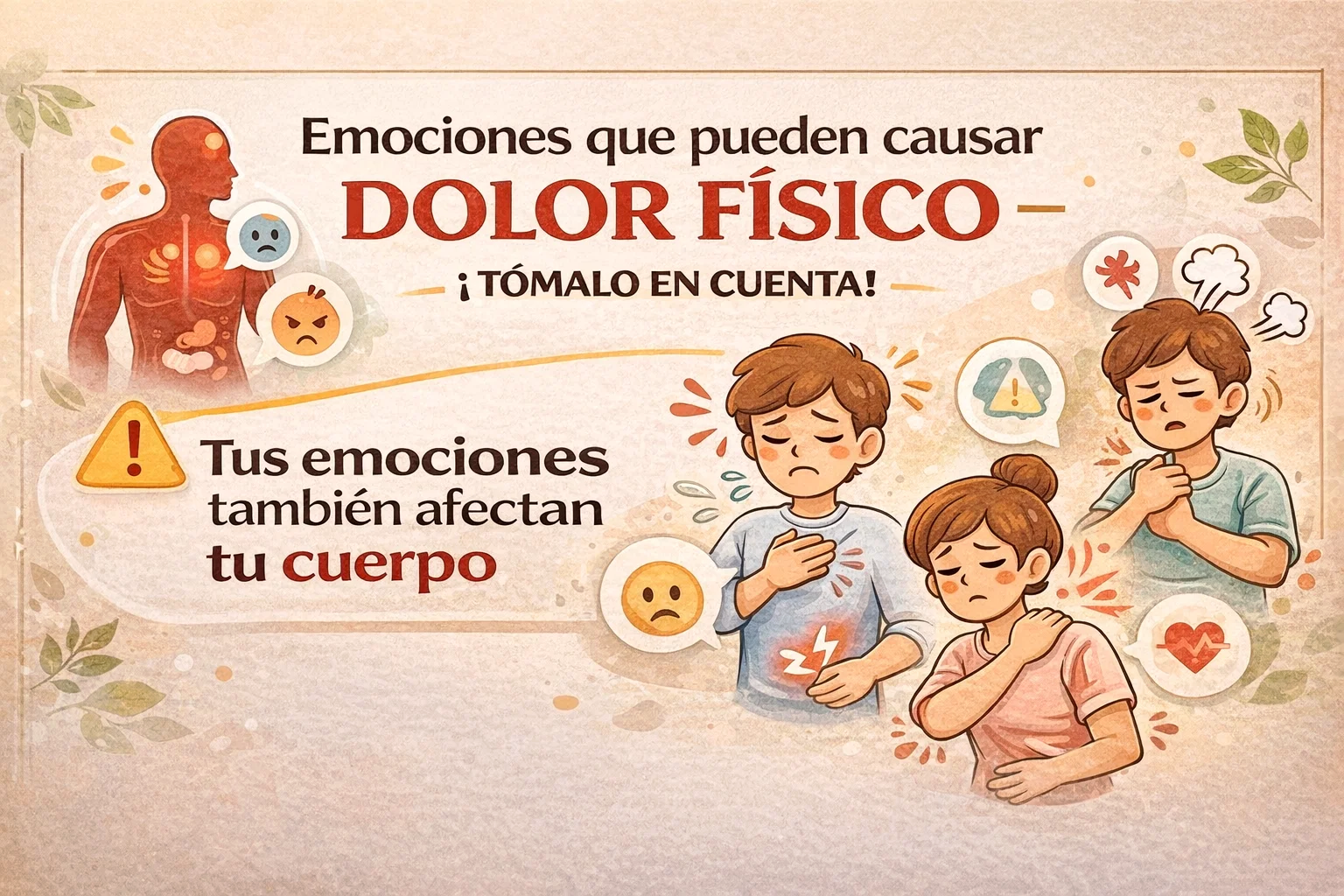
Cómo las Emociones Causan Dolor Físico Guía para Identificar y Entender tus Síntomas
Have you ever noticed that after a particularly stressful week, your shoulders feel incredibly tight or you develop a nagging tension headache? You are certainly not alone in this experience. For a long time, modern medicine treated the mind and the body as separate entities, but contemporary research and holistic approaches have confirmed what many have sensed all along: our emotional state has a profound and measurable impact on our physical well-being. The connection between our thoughts, feelings, and physical health is not just anecdotal; it is a complex physiological reality.
Understanding this mind-body link is essential for anyone looking to improve their quality of life. When we bury our emotions or fail to process them effectively, they do not simply vanish. Instead, they often manifest as physical symptoms, signaling that we need to pay closer attention to our internal landscape. In this post, we will explore the common emotional triggers for physical discomfort and provide actionable strategies to help you reconnect with your body.
The Science Behind Emotional-Physical Connections
When you experience an emotion, your brain releases a cascade of neurochemicals. For instance, fear or anger triggers the release of cortisol and adrenaline, hormones designed to prepare you for a “fight or flight” response. If you are constantly feeling these emotions without an outlet, your body remains in a heightened state of alert. This chronic activation can lead to muscle tension, digestive issues, and weakened immune function.
It is important to understand that your body is constantly communicating with you. Symptoms like jaw clenching, stomach knots, or persistent fatigue are not necessarily signs of a physical illness; they may be indicators of unresolved emotional stress. Recognizing these patterns is the first step toward effective self-care.
Common Emotional Triggers and Their Physical Manifestations
Different emotions tend to manifest in specific parts of the body for many people. While this can vary individually, there are common trends that experts and practitioners have observed over time.
1. Sadness and the Respiratory System
Sadness is often felt in the chest and the throat. Have you ever felt a literal lump in your throat or a tightness in your chest when you are about to cry or feeling deeply overwhelmed? This is a common physical response to grief or intense sadness, often making it feel difficult to breathe deeply.
2. Suppressed Anger and Digestive Strain
Anger, especially when it is not expressed, is frequently linked to tension in the jaw, known as bruxism or teeth grinding, and abdominal pain. When we hold back our reactions, that energy often gets trapped in our core or manifests as physical tension in the facial muscles. Chronic teeth grinding can lead to more severe dental issues and persistent headaches if left unchecked.
3. Anxiety and Muscular Tension
Anxiety and fear are perhaps the most well-known causes of physical tension. The back and shoulders are frequent targets, as we unconsciously hunch or tighten these muscles when we feel vulnerable or threatened. Recurring headaches are also a classic sign of persistent anxiety, as the neck and scalp muscles remain contracted for extended periods.
4. Guilt and Lower Back Discomfort
Interestingly, many people report feeling the weight of guilt in the lumbar region or as tension in the head. While it might sound unusual, the physical sensation of “carrying a burden” can be very real for those dealing with persistent feelings of guilt or regret.
5. Emotional Burnout and Generalized Fatigue
When we are dealing with chronic emotional stress, the effect is rarely isolated to one area. It often manifests as total body fatigue. This is your body telling you that it has depleted its resources. Persistent exhaustion that does not resolve with a good night of sleep is a major indicator that your emotional reserves are empty.
6. Constant Worry and Gut Health
There is a reason the gut is often called the second brain. Constant, low-level worry can wreak havoc on your digestive system. Issues like colitis or general stomach pain are very common in individuals who struggle to turn off their mental “what-if” scenarios.
How to Reconnect and Heal
Recognizing the connection is great, but what do you do about it? You do not have to live with these symptoms. By implementing a few key practices, you can help soothe the connection between your mind and body.
- Practice Mindful Awareness: Take a few moments each day to scan your body. Close your eyes, breathe deeply, and notice where you are holding tension. Simply acknowledging the sensation can often help it release.
- Develop Healthy Outlets: If you are feeling anger, find a way to express it safely. This could be through physical exercise, journaling, or talking to a trusted friend. The goal is to move the energy out of your body rather than letting it stagnate.
- Prioritize Rest: When you are mentally drained, your body needs physical recovery time. Do not feel guilty about taking breaks. Rest is a productive part of any health strategy.
- Seek Support: Sometimes the emotional roots are too deep to untangle alone. Working with a therapist or counselor can provide you with the tools to process emotions effectively and reduce their physical impact.
The Power of Expressing Your Emotions
The core message here is simple: your body and mind are a single unit. When you ignore your emotional needs, your body will eventually sound the alarm. The healthiest thing you can do is to create space for your feelings. Whether that means allowing yourself to cry, speaking your truth in a challenging situation, or taking a break to process a difficult day, expression is key to prevention.
Start by observing your body more closely this week. When you feel a pain or tension arise, pause and ask yourself: What am I feeling right now? What is my body trying to tell me? You might be surprised at how much clarity this simple question provides.
Conclusion
The mind-body connection is a powerful tool for self-understanding. By learning to interpret the physical signals your body sends, you can navigate your emotional life with more ease and less physical discomfort. Remember, your body is on your side. It is working hard to keep you balanced, even when things are tough. Treat it with kindness, listen to its messages, and take the time to process your emotions so that they do not have to turn into physical pain. Start today by listening to what your body is whispering before it has to shout.