Best No Sugar Vegetables List for Low Carb Keto Diets Healthy Food Guide
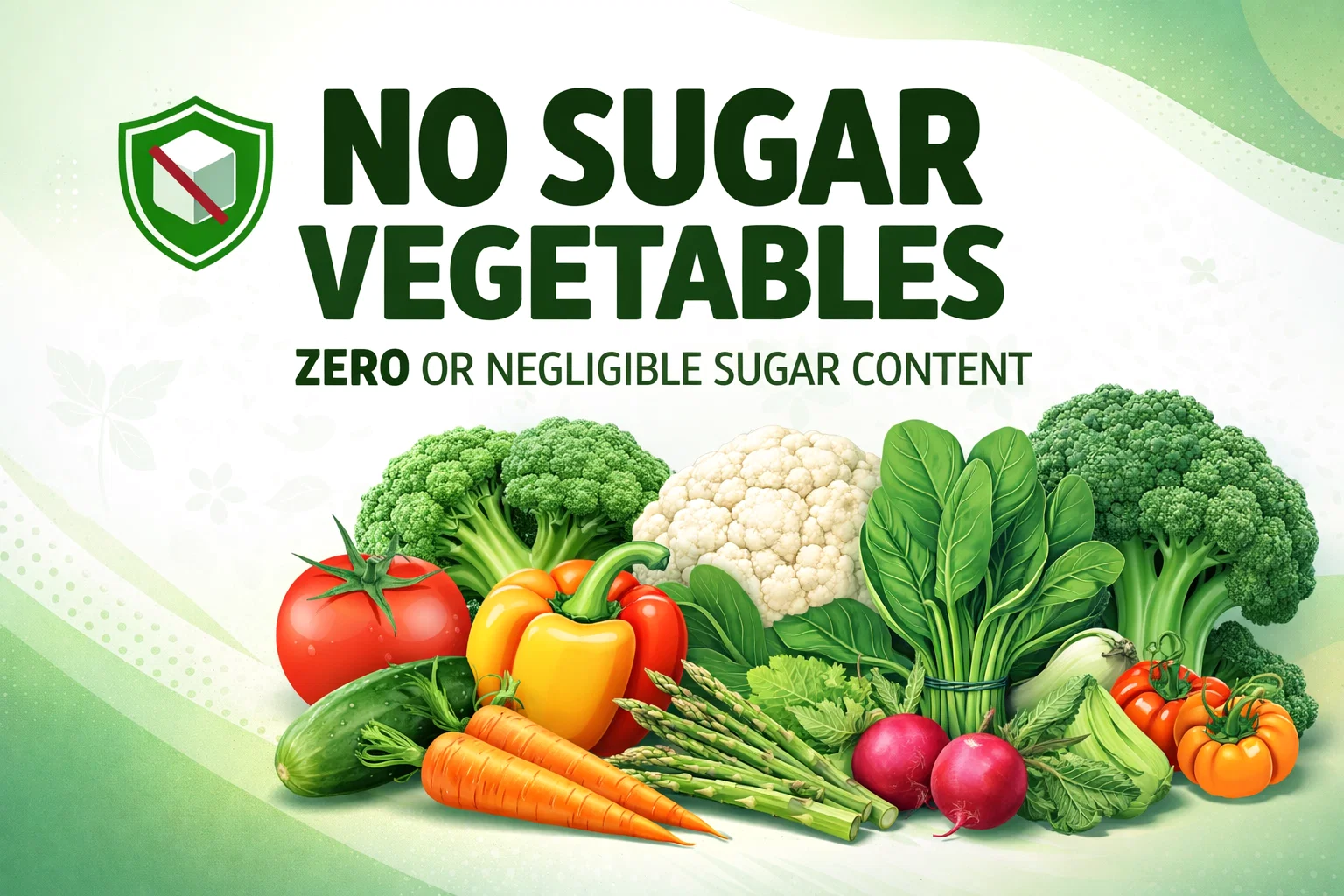
Navigating the world of nutrition can often feel like walking through a labyrinth, especially when you are trying to cut back on sugar. We often hear about the hidden sugars in processed snacks, sodas, and desserts, but what about the produce aisle? While fruits are well known for their natural fructose, many people are surprised to learn that certain vegetables also carry a significant sugar load. If you are following a ketogenic diet, managing diabetes, or simply trying to reduce inflammation, knowing which vegetables have zero or negligible sugar content is a total game changer. The infographic provided offers a fantastic starting point for anyone looking to fill their plate with high volume, low calorie, and most importantly, low sugar options.
The Importance of Low Sugar Vegetables in a Modern Diet
In our modern food environment, sugar is tucked away in almost everything. When we commit to a low sugar lifestyle, we usually focus on the obvious culprits. However, to truly optimize your health, looking at the glycemic index and the sugar content of your vegetables is the next logical step. Vegetables like carrots, beets, and corn actually contain a fair amount of natural sugars that can impact your blood glucose levels. By shifting your focus toward the vegetables highlighted in our list, you allow your body to maintain more stable insulin levels throughout the day.
Choosing vegetables with negligible sugar content does not mean you are sacrificing nutrition. In fact, it is often the opposite. These leafy greens and cruciferous powerhouses are packed with fiber, vitamins, and essential minerals. They provide the bulk your meals need to keep you feeling full without the energetic crash that follows a sugar spike. Whether you are sautéing them, tossing them into a fresh salad, or blending them into a morning smoothie, these veggies are the ultimate building blocks for a vibrant and healthy body.
Cruciferous Superstars: Broccoli and Beyond
As you can see from our visual guide, broccoli and its relatives take center stage. Broccoli is widely regarded as one of the healthiest foods on the planet, and for good reason. It is incredibly low in sugar but exceptionally high in Vitamin C and Vitamin K. When you consume broccoli, you are also getting a healthy dose of sulforaphane, a compound that has been studied for its potent anti-inflammatory properties.
The Versatility of Cauliflower
While often confused with broccoli in terms of structure, cauliflower is another low sugar hero. It has become a staple in the low carb community because it acts as a culinary chameleon. You can rice it, mash it, or even turn it into a pizza crust. Because it has almost no natural sugar, it provides a neutral base that takes on the flavor of whatever spices or sauces you choose to use. It is the perfect way to satisfy those cravings for starchy comfort foods without the sugar overhead.
Cabbage: The Budget Friendly Nutritional Powerhouse
Cabbage is frequently overlooked, yet it is one of the most versatile and affordable low sugar vegetables available. Whether you prefer the green or red variety, cabbage is loaded with fiber and antioxidants. Fermenting cabbage into sauerkraut or kimchi also adds a probiotic boost to your diet, which supports gut health while keeping your sugar intake at an absolute minimum. It adds a wonderful crunch to tacos or can be slow cooked into a savory side dish.
Leafy Greens: The Foundation of a Low Sugar Lifestyle
If there is one category of vegetable you can eat almost limitlessly, it is leafy greens. Spinach and kale are featured prominently on our list because they are virtually sugar free. These greens are incredibly nutrient dense, offering high levels of iron, magnesium, and calcium. Magnesium is particularly important for those on a low carb diet as it helps with muscle function and sleep quality.
Spinach: The Ultimate Quick Add
Spinach is perhaps the easiest vegetable to incorporate into your daily routine. Because it wilts down so quickly, you can add a massive handful to eggs, soups, or pasta sauces without significantly changing the texture of the dish. It provides a massive hit of folate and Vitamin A, helping to support your immune system and skin health while keeping your glycemic load at zero.
Kale: The Rugged Green
Kale has earned its reputation as a superfood. It is a bit heartier than spinach, making it excellent for salads that need to stay fresh in the fridge for a few days. Massaging kale with a bit of olive oil and lemon juice breaks down its fibrous structure, making it delicious and easy to digest. Like other greens on our list, kale helps bridge the gap between satisfying hunger and maintaining a sugar free profile.
The Truth About Onions and Radishes
Many people are surprised to see onions on a low sugar list. While onions do have a bit more natural sweetness when caramelized, when used in moderate amounts as a flavor base, they are a fantastic addition to a low sugar kitchen. They are rich in quercetin, an antioxidant that supports heart health and reduces blood pressure. Using red onions raw in salads or white onions in a stir fry adds depth to your cooking without the need for sugary bottled sauces.
Radishes are another hidden gem. They provide a peppery bite and a satisfying crunch that many people miss when they stop eating chips or crackers. Radishes are extremely low in calories and have a negligible sugar count. A pro tip for radish lovers: try roasting them. When cooked, radishes lose their sharp bite and take on a texture and flavor very similar to potatoes, making them a perfect low carb substitute for home fries.
Squash and Nightshades: Zucchini and Eggplant
Zucchini is a favorite for anyone monitoring their sugar intake. Much like cauliflower, it is incredibly versatile. Zucchini noodles, or zoodles, have revolutionized the way people enjoy pasta dishes. Since zucchini is mostly water and fiber, its sugar content is incredibly low, allowing you to eat a large portion while staying within your nutritional goals.
Eggplant is another fantastic option featured in our guide. It is known for its ability to soak up flavors. Whether you are making a Mediterranean moussaka or a simple grilled side dish, eggplant provides a meaty texture that is very satisfying. It contains anthocyanins, which are pigments that have been linked to improved brain health and reduced oxidative stress.
How to Incorporate These Veggies into Your Daily Routine
Understanding which vegetables are low in sugar is the first step, but the real magic happens when you start cooking with them. Here are a few ways to make these vegetables the star of your kitchen:
- The Big Green Bowl: Start every lunch with a base of spinach or kale. Top it with radishes, cucumbers, and bell peppers for a variety of textures.
- Vegetable Swaps: Replace your traditional flour wraps with large cabbage leaves or lettuce wraps. Use zucchini ribbons instead of spaghetti.
- Roast Everything: Toss broccoli, cauliflower, and asparagus in olive oil, sea salt, and garlic. Roast at high heat until the edges are crispy. This brings out a savory flavor that makes you forget you are eating diet food.
- Low Sugar Snacks: Keep sliced cucumbers and bell peppers in the fridge for a quick snack. Pair them with a high fat dip like guacamole or tahini to keep you full longer.
Health Benefits Beyond Sugar Control
Focusing on this specific list of vegetables does more than just lower your sugar intake. Most of these options are extremely high in dietary fiber. Fiber is essential for a healthy microbiome and helps to regulate digestion. Furthermore, a high fiber diet is associated with a lower risk of heart disease and stroke. When you fill up on these vegetables, you are also naturally crowding out the processed foods that contribute to weight gain and chronic illness.
The micronutrients found in these vegetables also play a massive role in cellular health. For example, the high Vitamin C content in bell peppers and broccoli supports collagen production, keeping your skin looking youthful and your joints feeling supple. The Vitamin K1 found in leafy greens is vital for bone health and proper blood clotting. By following this no sugar vegetable list, you are essentially giving your body a daily multivitamin in its most bioavailable form.
Conclusion: Building a Sustainable Lifestyle
Transitioning to a diet that prioritizes low sugar vegetables is one of the most impactful decisions you can make for your long term health. It is not about deprivation; it is about choosing foods that fuel your body without the negative side effects of glucose spikes and insulin resistance. The list we analyzed today represents some of the most powerful foods available to us. They are diverse, delicious, and incredibly flexible in the kitchen.
As you move forward, try to view your plate as a canvas. Start with the greens, add the cruciferous crunch of broccoli or cauliflower, and accent with the vibrant colors of peppers and radishes. By making these no sugar vegetables the foundation of your meals, you are setting yourself up for success, whether your goal is weight loss, better energy, or simply a healthier lifestyle. Remember that consistency is key, so find the vegetables on this list that you truly enjoy and make them a permanent part of your grocery list. Your body will thank you for the nutrient density and the steady, clean energy that follows.