Understanding Rheumatoid Arthritis Symptoms, Causes, and Effective Treatment Options
Navigating a diagnosis of Rheumatoid Arthritis (RA) can feel like standing at the foot of a mountain. It is a complex, long-term condition that impacts not just your joints, but your overall quality of life. However, knowledge is a powerful tool. By understanding what is happening within your body, you can move from feeling overwhelmed to feeling empowered. In this post, we will break down exactly what Rheumatoid Arthritis is, how it affects your system, and the proactive steps you can take to manage your health and maintain your mobility.
Shutterstock
Explore
What is Rheumatoid Arthritis?
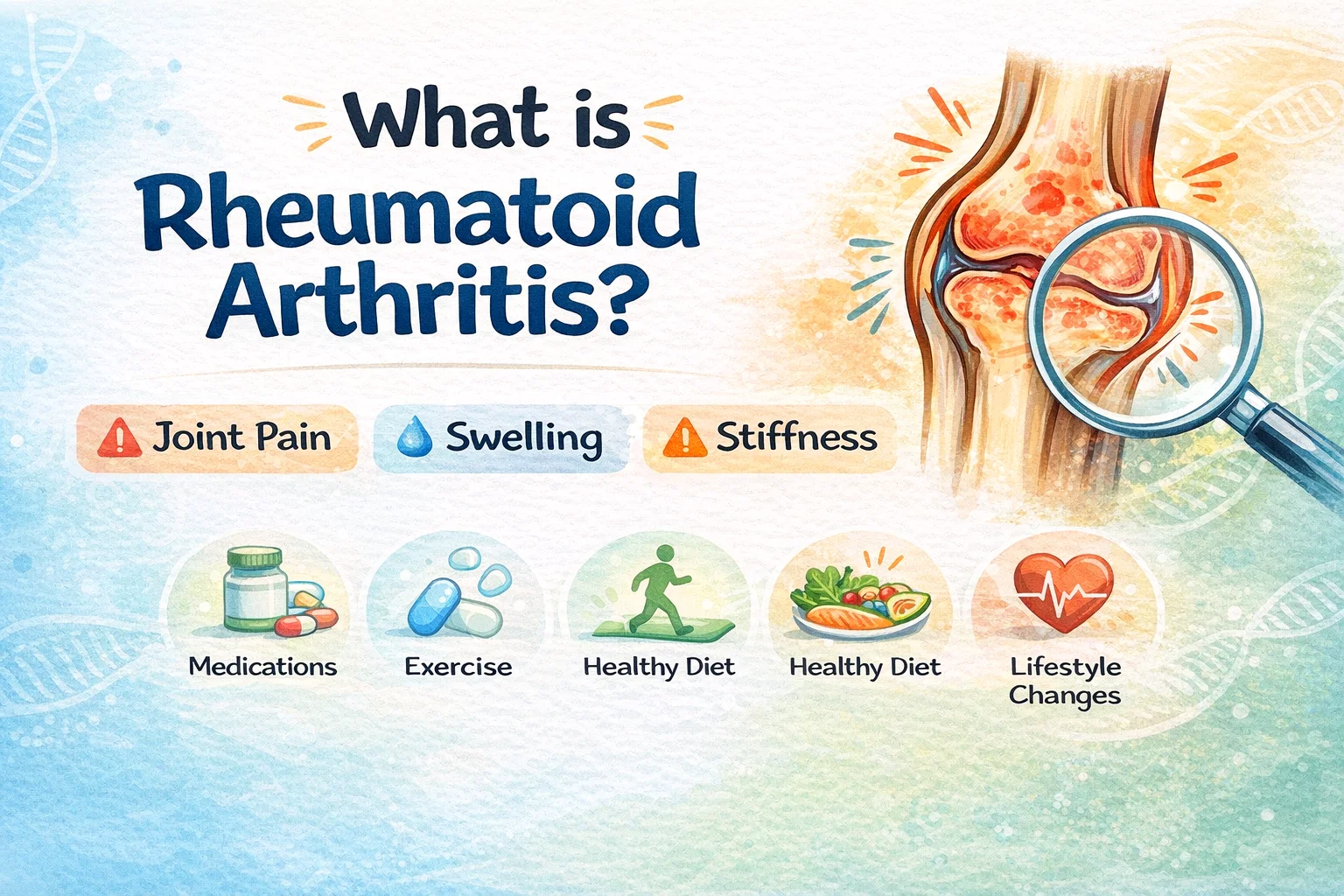
At its core, Rheumatoid Arthritis is an autoimmune disease. In a healthy body, your immune system acts like a security guard, protecting you from foreign invaders like bacteria and viruses. With RA, that system becomes confused. It mistakenly identifies your own healthy joint tissue as a threat and begins to attack it.
This attack primarily targets the synovium, which is the thin lining of the membranes that surround your joints. When the immune system attacks this lining, it causes it to become inflamed, thickened, and painful. If left unmanaged, this chronic inflammation can eventually damage the cartilage and the bone within the joint, leading to long-term issues with movement and joint structure.
Recognizing the Common Symptoms
RA does not always present the same way for everyone, but there are telltale signs to watch for. Being aware of these indicators early can be the difference between temporary discomfort and lasting damage.
- Joint Pain and Tenderness: This is the hallmark of the condition. You might feel a dull ache, or sharp pain when moving, which is often worse after periods of inactivity.
- Morning Stiffness: Feeling stiff for more than thirty minutes after waking up is a very common marker for RA, distinguishing it from other types of arthritis.
- Swelling: You may notice visible puffiness or feel warmth around the joints.
- Symmetry: A key characteristic of RA is that it often affects the same joints on both sides of the body, such as both hands, both wrists, or both knees.
- Systemic Symptoms: Because it is an autoimmune disease, it affects the whole body. It is very common to experience persistent fatigue, low-grade fevers, and a general feeling of weakness.
The Long-Term Impact on Your Health
Why does early diagnosis matter so much? It is not just about managing daily pain. Because the inflammation in RA is systemic, it can lead to permanent joint damage, deformities, and a significant loss of mobility if it is not brought under control quickly. Furthermore, the persistent inflammation caused by RA is linked to an increased risk of heart problems. This is why doctors treat RA with urgency, aiming to reach remission or low disease activity as quickly as possible to protect your long-term health.
Treatment and Lifestyle Management
The good news is that we live in an era of incredible medical advancements for RA. While there is no known cure, the goal of treatment today is to achieve remission, which means having little to no inflammation or symptoms.
Medical Approaches
Your rheumatologist will likely discuss disease-modifying antirheumatic drugs (DMARDs) and biologics. These medications do more than just mask the pain; they target the underlying immune response to slow down or halt the progression of the disease.
The Role of Lifestyle
Beyond medication, your daily habits play a huge supporting role. Think of these as your personal strategy for protecting your joints:
- Anti-inflammatory Diet: Focus on whole foods, plenty of fruits and vegetables, omega-3 fatty acids, and spices like turmeric that may help dampen the body’s inflammatory response.
- Gentle Exercise: It might seem counterintuitive to exercise when your joints hurt, but motion is lotion. Low-impact activities like swimming, walking, or gentle yoga help keep your joints flexible and strengthen the muscles that support them.
- Physical Therapy: A physical therapist can create a personalized plan to improve your range of motion and teach you safer ways to perform daily tasks to reduce stress on your joints.
- Listen to Your Body: Balancing activity with rest is crucial. Pushing through severe fatigue often leads to a flare, so learn to pace yourself.
Taking Control of Your Future
Receiving an RA diagnosis is a major life event, but it does not define your future. With a solid treatment plan, a supportive healthcare team, and intentional lifestyle choices, many people with RA lead active, fulfilling, and productive lives. The most important thing you can do is advocate for yourself. If you notice symptoms, don’t wait for them to go away on their own. Early diagnosis is the single best way to prevent serious, long-term joint damage.
Stay curious about your health, keep learning, and remember that you are capable of managing this journey one step at a time. Do you want me to help you find some specific low-impact exercise routines that are gentle on the joints?