DIY Upcycled Denim Tote Bag Tutorial Easy Repurposed Jeans Sewing Project Ideas
Transforming a pair of old, worn-out jeans into a stylish and functional tote bag is one of the most satisfying sewing projects you can undertake. It is the perfect blend of sustainability, creativity, and practicality. Instead of letting that high quality denim go to waste in a landfill, you can give it a second life as a durable accessory that reflects your personal style. This project is especially great for beginners because denim is a forgiving fabric to work with, and the structured nature of the material means your bag will hold its shape beautifully without needing much extra stabilization. Let us dive into the world of upcycled fashion and learn how to turn those forgotten denim scraps into your new favorite everyday carryall.
The Magic of Upcycling Denim
In a world of fast fashion, there is something deeply rewarding about making your own clothing and accessories. Upcycling is not just a trend; it is a movement toward more conscious consumption. Denim is one of the most resource-intensive fabrics to produce, requiring thousands of gallons of water for a single pair of jeans. By repurposing what you already own, you are significantly reducing your environmental footprint while creating a piece that is truly unique.
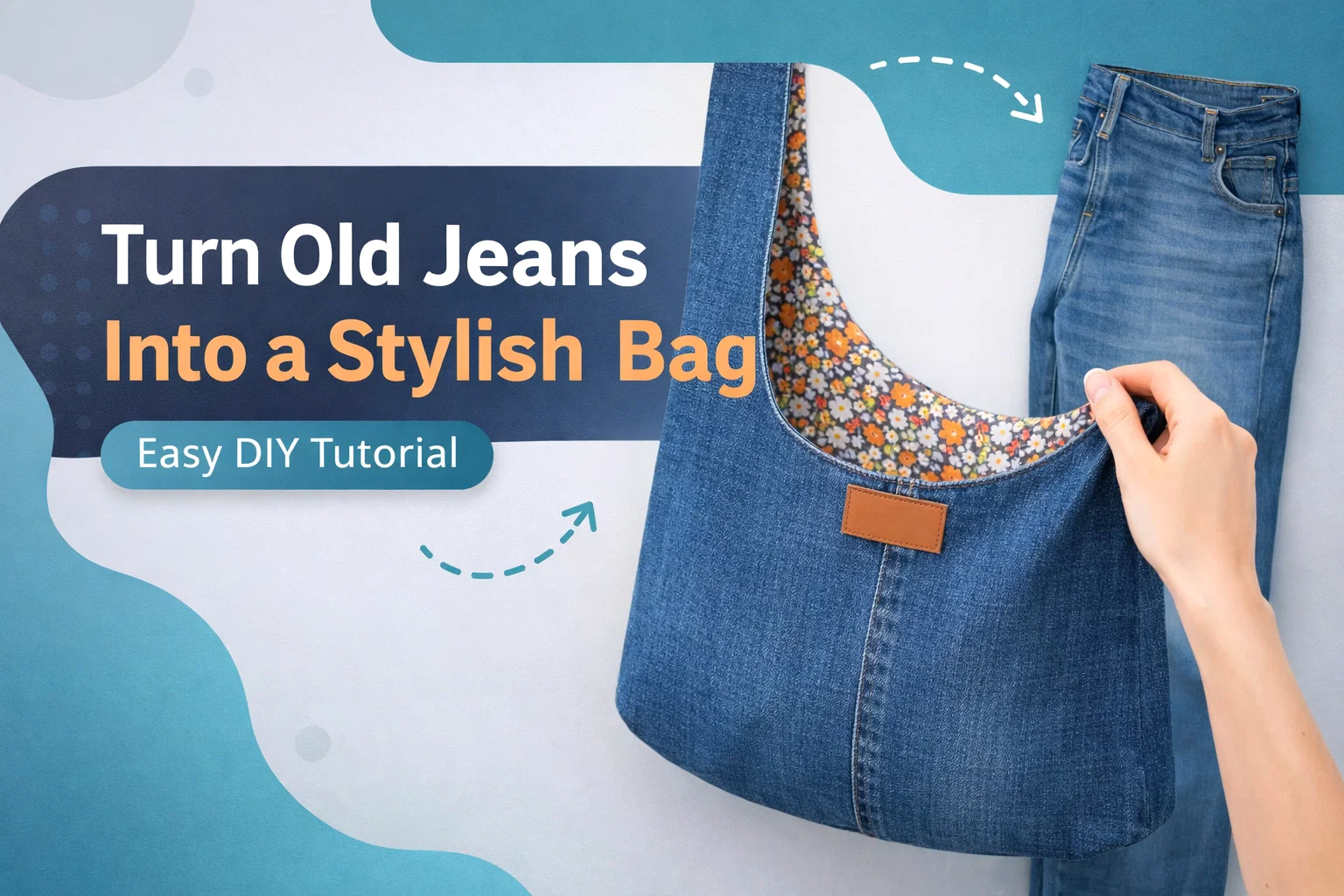
Old jeans are a goldmine for DIY enthusiasts. They often feature interesting fading, whiskering at the hips, and sturdy pockets that can be integrated into your new design. The image we are looking at showcases a beautiful contrast between the rugged, classic blue denim and a delicate floral lining. This juxtaposition is what makes handmade items so special. You have the power to mix textures and patterns in a way that mass-produced items rarely do.
Essential Tools for Your Upcycling Project
Before you sit down at your sewing machine, it is important to gather the right supplies. Working with denim requires a bit more power than sewing with lightweight cotton, so preparation is key. Here is what you will need to get started:
- A heavy duty sewing machine: While most domestic machines can handle denim, ensure yours is clean and oiled for the best performance.
- Denim needles: These are specifically designed with a sharp point and a strong shank to pierce through thick layers without breaking. Sizes 90/14 or 100/16 are usually ideal.
- Heavy duty thread: Look for polyester or cotton-wrapped polyester thread labeled for jeans or upholstery. This ensures your seams can withstand the weight of whatever you carry in your bag.
- Fabric shears: Denim is thick, so you will need a sharp pair of scissors to get clean cuts.
- Pins or clips: While pins work, many sewists prefer wonder clips for denim because they do not bend and can hold multiple thick layers together securely.
- Lining fabric: A lightweight cotton or canvas with a fun print, like the floral pattern shown in the image, adds a professional touch and a pop of personality.
Step by Step Guide to Creating Your Tote
Selecting and Preparing Your Jeans
The first step is choosing the right pair of jeans. For a standard tote bag, a pair of wide-leg or straight-leg adult jeans works best because they provide large, flat panels of fabric. If you have jeans with holes in the knees, that is perfectly fine. You can work around the damaged areas or even leave them in for a distressed, boho look.
Start by washing and drying your jeans to ensure they are clean and pre-shrunk. Once they are ready, lay them flat on your cutting surface. You will want to cut off the legs to create the main body of the bag. The waistband and back pockets can also be harvested to use as decorative elements or functional external pockets.
Cutting the Lining and Interfacing
A lining makes your bag look finished and helps it last longer. Measure the denim panels you have cut and cut identical pieces from your lining fabric. If your denim is particularly soft or lightweight, you might want to fuse a layer of medium weight interfacing to the back of the denim panels. This adds structure and prevents the bag from sagging when it is full of groceries or books.
Assembling the Bag Body
Place your two denim panels right sides together. Sew along the sides and the bottom using a half-inch seam allowance. To give your bag a flat bottom, you can “box the corners.” This involves flattening the bottom corners so the side seam meets the bottom seam, forming a triangle. Measure in about two inches, sew across, and trim the excess. Repeat this process for your lining pieces, but remember to leave a four-inch opening at the bottom of the lining so you can turn the bag right side out later.
Adding the Professional Touches
What separates a homemade bag from a handmade masterpiece are the details. In the reference image, we see a beautifully finished curved edge where the handle meets the bag body. This is achieved by using a facing or by carefully sewing the lining to the exterior along the top edge.
Creating Sturdy Handles
You can make handles from the remaining denim scraps. Cut two long strips, fold them in half lengthwise, then fold the raw edges into the center and sew down both sides. For extra comfort, you can insert a bit of cotton webbing inside the denim tubes. Attach these to the main body of the bag before you join the lining to the exterior.
Integrating the Floral Lining
The floral lining is the star of the show in our inspiration image. When you sew the lining to the denim, ensure the right sides are facing each other. The handles should be tucked inside, sandwiched between the two layers. Sew all the way around the top circumference. Pull the entire bag through the hole you left in the lining. Once it is right side out, push the lining into the bag and topstitch around the top edge. This topstitching not only looks professional but also keeps the lining from rolling upward during use.
Why Denim is the Ultimate Sustainable Choice
Denim is a fabric that only gets better with age. As it wears, it develops a patina and softness that is impossible to replicate with new materials. By upcycling jeans, you are utilizing a fabric that has already proven its durability. Most modern jeans are made with a blend of cotton and a small amount of elastane. While this makes them comfortable to wear, it can make them harder to recycle industrially. Repurposing them at home is the most direct way to keep these fibers in use.
Furthermore, the aesthetic of denim is timeless. It pairs well with almost any outfit, making your new tote bag a versatile staple for years to come. Whether you are heading to the farmers market, the library, or the beach, a denim tote is sturdy enough to handle the load and stylish enough to complement your look.
Customization Ideas for Your Upcycled Tote
Once you have mastered the basic construction, the possibilities for customization are endless. Here are a few ideas to make your bag even more unique:
- Embroidery: Add floral embroidery that matches your lining fabric to the exterior of the denim for a cohesive look.
- Patchwork: If you have multiple pairs of jeans in different washes (light, medium, and dark), try sewing squares together to create a patchwork fabric before cutting your bag panels.
- Hardware: Add brass rivets at the stress points of the handles for an industrial, high-end feel. You can also install a magnetic snap or a zipper closure for extra security.
- External Pockets: Use the original back pockets from the jeans and sew them onto the front of the tote. They are perfect for holding your phone or keys.
Tips for Sewing Through Thick Layers
One of the biggest challenges when upcycling denim is sewing over the flat felled seams (the thick seams found on the sides of jeans). If your machine is struggling, try using a “hump jumper” or a folded piece of cardboard to level out the presser foot as it approaches the thick spot. You can also manually turn the handwheel of your machine to guide the needle through particularly dense areas slowly and safely.
Caring for Your Handmade Denim Bag
The beauty of a denim tote is that it is easy to care for. If it gets dirty, you can simply toss it in the washing machine on a cold, gentle cycle. To preserve the colors of the floral lining and the denim, air drying is recommended. If the bag feels a bit stiff after drying, a quick steam iron will bring back its shape and softness. Because you chose high quality thread and reinforced your seams, your bag should handle many washes without falling apart.
Conclusion: The Joy of Creating Something New
There is a profound sense of accomplishment that comes from looking at a finished project and knowing it started as a pile of old clothes. This upcycled denim tote is more than just a bag; it is a testament to your creativity and your commitment to a more sustainable lifestyle. Every time you reach for it, you will be reminded of the effort you put into crafting it. So, go ahead and raid your closet or hit up your local thrift store. With a little time and a sewing machine, you can create a beautiful, durable accessory that tells a story of renewal and style. Happy sewing!