Classic Homemade Lasagna Recipe Hearty Easy Cheesy Layers Best Comfort Food
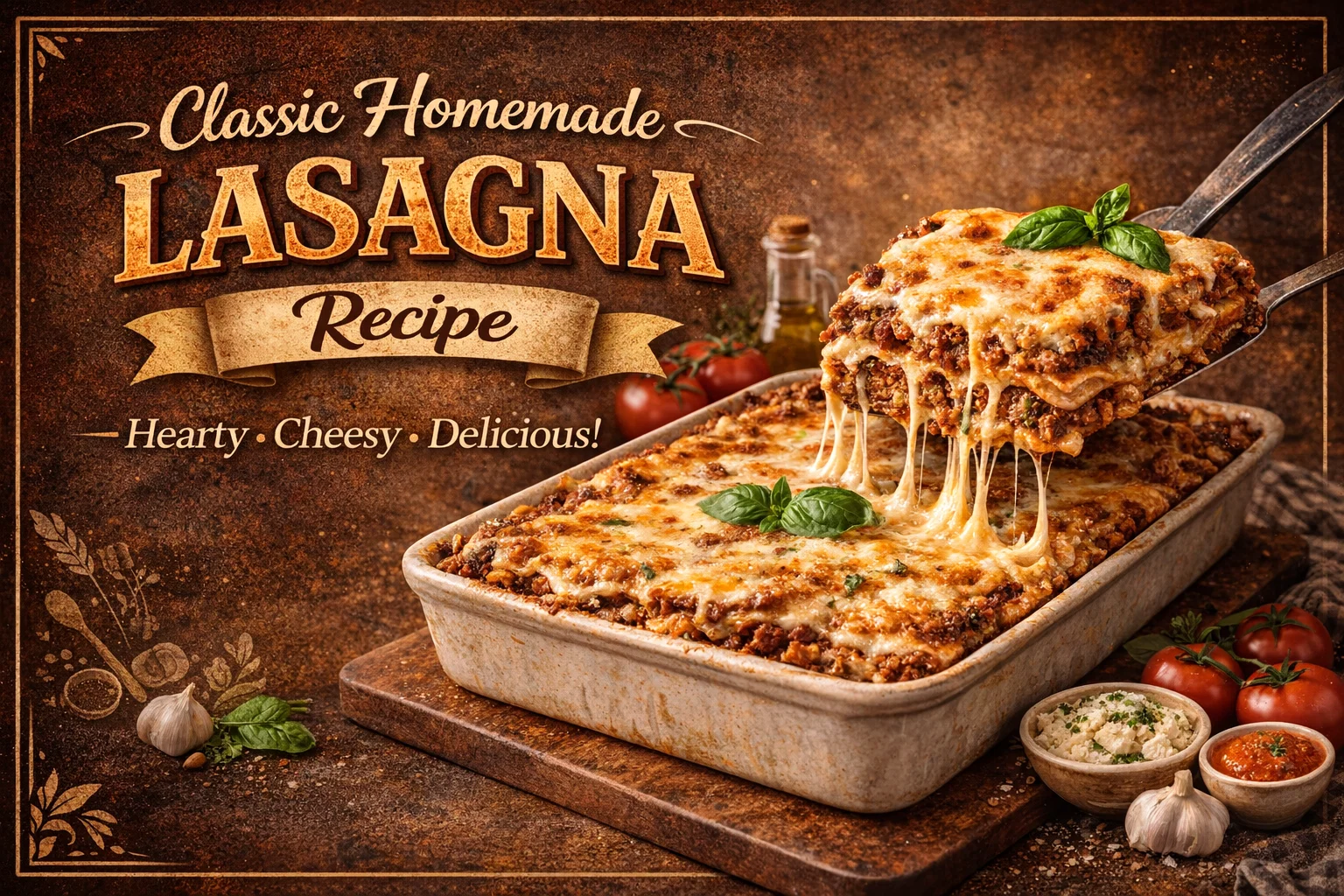
There is something undeniably magical about the aroma of a bubbling lasagna pulling fresh out of the oven. It is the quintessential comfort food, a dish that represents warmth, family, and the kind of hearty satisfaction that only layers of pasta and cheese can provide. When you look at a perfectly baked homemade lasagna, with its golden brown cheese crust and rich meat sauce peeking through the edges, you are looking at more than just a meal. You are looking at a labor of love. This guide is designed to take you through the journey of creating an aesthetic and delicious homemade lasagna that tastes even better than it looks.
The Anatomy of a Perfect Homemade Lasagna
To create a lasagna that stands out, you have to understand the importance of each layer. A great lasagna is a balance of textures and flavors. You have the bite of the pasta, the creaminess of the cheese, and the robust, savory depth of the meat sauce. Many people settle for store bought versions, but once you master the art of the homemade assembly, there is no going back. The secret lies in using high quality ingredients and taking the time to let the flavors develop.
Choosing the Right Meat Blend
The foundation of any classic lasagna is the meat sauce. While many recipes call for just ground beef, the most flavorful versions use a combination of meats. A mix of lean ground beef and sweet or spicy Italian sausage adds a complex flavor profile that beef alone cannot achieve. The sausage provides essential fats and seasonings like fennel and garlic that permeate the entire dish during the baking process. When browning your meat, make sure to cook it until it is truly browned, not just grey, to lock in that deep umami flavor.
The Importance of Aromatics
Onions and garlic are the unsung heroes of Italian cooking. Dicing your onions finely ensures they melt into the sauce, providing a subtle sweetness that balances the acidity of the tomatoes. Freshly minced garlic, added just after the meat has browned, creates a fragrant base that elevates the entire sauce. Never rush this step. Letting the aromatics soften and mingle with the meat juices is what creates that professional restaurant quality taste at home.
Crafting the Ultimate Cheese Filling
If the meat sauce is the soul of the lasagna, the cheese filling is the heart. A common mistake is simply layering shredded cheese between the noodles. To get that creamy, luxurious mouthfeel, you need a prepared ricotta mixture. By mixing whole milk ricotta with an egg, you create a binder that keeps the cheese in place and prevents the lasagna from becoming watery when sliced.
The Secret Cheese Trio
For the best results, use a trio of cheeses. Ricotta provides the moisture and soft texture. Mozzarella is essential for that iconic cheese pull and mild, milky flavor. Finally, freshly grated Parmesan adds a salty, sharp kick that cuts through the richness of the other ingredients. Adding dried herbs like parsley or oregano directly into the ricotta mixture ensures that every single bite is seasoned to perfection.
The Art of the Layering Process
How you layer your lasagna determines how well it holds together. Start with a thin layer of sauce at the very bottom of your baking dish. This prevents the bottom noodles from sticking and ensures they cook evenly. From there, follow a consistent rhythm. Place your noodles down, then spread a generous layer of the ricotta mixture, followed by the meat sauce, and a handful of shredded mozzarella.
Noodle Tips for Success
While no boil noodles are a popular convenience, traditional lasagna noodles that you boil yourself often provide a better texture. Cook them just shy of al dente because they will continue to soften as they absorb the juices from the sauce in the oven. If you find your noodles sticking together after draining, a tiny drizzle of olive oil can help keep them manageable while you assemble your masterpiece.
Baking to Golden Perfection
Patience is the most important ingredient when it comes to baking. You want to cover your lasagna with foil for the first half of the baking time. This traps the steam and ensures the pasta is fully cooked and the cheese is melted through. For the final ten to fifteen minutes, remove the foil to let the top layer of mozzarella bubble and develop those beautiful golden brown spots. This creates a slight crunch on the edges that many enthusiasts consider the best part of the entire dish.
The Crucial Resting Period
It is incredibly tempting to slice into a lasagna the moment it hits the counter, but resistance is key. A lasagna needs to rest for at least fifteen to twenty minutes after leaving the oven. During this time, the sauce thickens and the cheese layers firm up. If you cut it too early, the layers will slide apart and the sauce will run. Waiting ensures that you get those perfect, aesthetic squares that look beautiful on a plate.
Why Homemade is Always Better
Making lasagna from scratch allows you to control the salt, the quality of the meat, and the richness of the cheese. More importantly, it allows you to customize the dish to your preference. If you like it extra saucy, you can add more marinara. If you prefer a massive cheese pull, you can double the mozzarella. It is a versatile dish that serves as a canvas for your culinary creativity.
- Quality Ingredients: Using fresh garlic and high quality marinara makes a massive difference in the final product.
- Meat Combination: Mixing beef and sausage provides a depth of flavor that is unmatched.
- Perfect Texture: Resting the lasagna is the secret to getting those clean, professional looking slices.
- Customization: You can easily swap meats or add vegetables like spinach to the ricotta layer for a nutritional boost.
Frequently Asked Questions About Lasagna
Can I make lasagna ahead of time?
Absolutely. Lasagna is actually one of the best dishes to prepare in advance. You can assemble the entire dish, cover it tightly, and keep it in the refrigerator for up to twenty four hours before baking. This actually allows the flavors to meld together even further. You can also freeze an unbaked lasagna for several months, making it a perfect meal prep option for busy schedules.
How do I prevent my lasagna from being watery?
Watery lasagna is usually caused by two things: excess moisture in the meat sauce or using low quality ricotta. Make sure to simmer your meat sauce until it is thick and robust. If your ricotta looks very wet, you can strain it through a cheesecloth for an hour before mixing in your egg and herbs. Additionally, avoiding overcooking the vegetables will help keep the moisture levels in check.
Conclusion
Mastering the classic homemade lasagna is a milestone for any home cook. It is a dish that brings people together, fills the home with incredible scents, and provides a level of satisfaction that few other meals can match. By focusing on the quality of your meat, the seasoning of your cheese, and the precision of your layering, you can create a restaurant quality meal right in your own kitchen. Whether you are cooking for a special occasion or just want to treat your family to a hearty Sunday dinner, this recipe is a timeless choice. So, grab your baking dish, put on your apron, and get ready to enjoy the cheesy, saucy, and delicious world of homemade lasagna. Save this guide for your next kitchen adventure and enjoy every bite.