18 Essential Signs of Vitamin and Mineral Deficiencies Health Wellness Tips
Have you ever woken up feeling like you haven’t slept a wink, even after a full eight hours? Or perhaps you have noticed your hair thinning out or your hands feeling unnaturally cold even in a warm room? Our bodies are incredibly sophisticated communicators, yet we often ignore the subtle whispers they send us until they become loud shouts. Those tiny white spots on your nails, the persistent twitch in your eyelid, or that unexplained bout of forgetfulness are not just random quirks. They are often biological signals that you are running low on essential fuel.
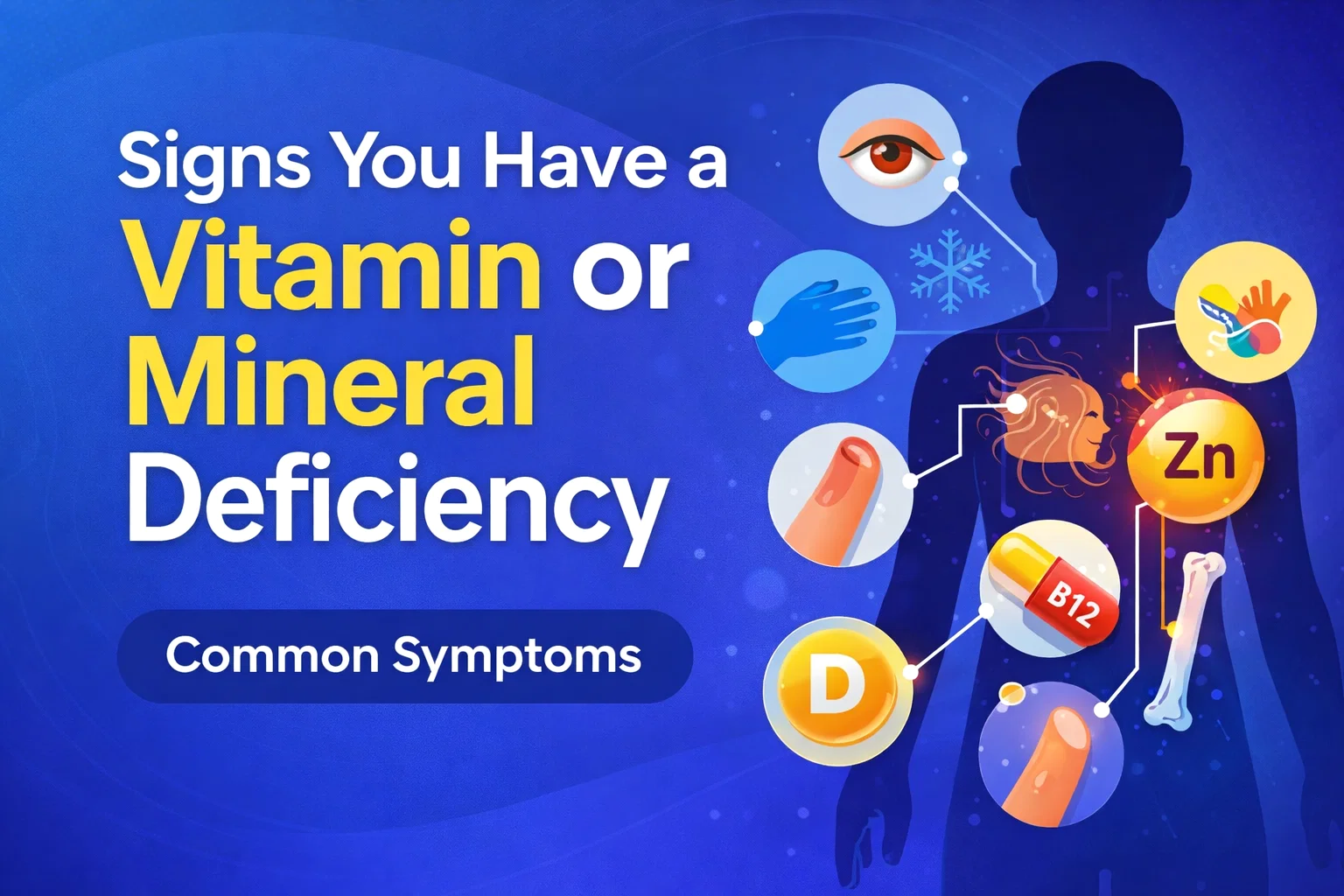
The image we are looking at today serves as a vital cheat sheet for human health. It maps out eighteen common physical and mental symptoms and links them directly to potential vitamin and mineral deficiencies. From Iron to Vitamin B12, these nutrients are the building blocks of our energy, immunity, and cognitive function. In this comprehensive guide, we are going to dive deep into these signals, exploring why your body reacts the way it does and how you can replenish your stores naturally to reclaim your vitality.
The Energy Trio: Iron, Vitamin D, and B12
Fatigue is perhaps the most common complaint in modern society, but not all tiredness is created equal. When your energy levels tank, your body is usually pointing toward one of three major players: Iron, Vitamin D, or Vitamin B12.
Iron: The Oxygen Porter
As noted in our reference list, cold hands, shortness of breath, and dizziness are classic hallmarks of low iron. Iron is the primary component of hemoglobin, the protein in your red blood cells that carries oxygen from your lungs to the rest of your body. When you are deficient, your heart has to work harder to move oxygenated blood around, leading to that feeling of being winded after just a flight of stairs. If your hands and feet are always freezing, it is often because your body is prioritizing blood flow to your vital organs instead of your extremities.
Shutterstock
Explore
Vitamin D: The Sunshine Hormone
Feeling tired all day or experiencing deep bone pain? You might be lacking the sunshine vitamin. Unlike other vitamins, Vitamin D functions more like a hormone. It is essential for calcium absorption and immune regulation. A deficiency can lead to a dull, aching sensation in the bones and a heavy sense of exhaustion that sleep simply cannot fix. Since many of us spend our days indoors, this deficiency has become a global silent epidemic.
Vitamin B12: The Nerve Protector
If you have ever felt a “pins and needles” sensation in your hands or feet, or if you feel like you are walking through a constant “brain fog,” your nerves might be crying out for B12. This vitamin is crucial for maintaining the myelin sheath, which is the protective coating around your nerves. Without it, nerve signals become jumbled, leading to tingling and cognitive delays. Because B12 is primarily found in animal products, those on plant based diets need to be extra vigilant about their levels.
Understanding Physical Manifestations: Hair, Skin, and Nails
Your outward appearance is often a direct reflection of your inward health. When your body is low on nutrients, it redirects its limited resources away from “aesthetic” features like hair and nails and toward life sustaining organs.
Brittle Nails and Hair Loss
Biotin, also known as Vitamin B7, is the superstar of the beauty world for a reason. It helps your body convert certain nutrients into energy and plays a massive role in the health of your hair, skin, and nails. If your nails are snapping easily, Biotin is likely the culprit. However, if your hair is falling out in significant amounts, you should also look at your Iron levels. Iron deficiency restricts the flow of nutrients to the hair follicle, causing it to enter the shedding phase prematurely.
The Eye and Mouth Connection
Dry eyes and a dry mouth are more than just minor inconveniences; they are often indicators of a Vitamin A deficiency. Vitamin A is essential for maintaining the moisture producing membranes in your body. In more severe cases, a lack of Vitamin A can lead to night blindness because it is a key component of rhodopsin, a protein in your eyes that allows you to see in low light conditions.
Muscle Function and the Magic of Magnesium
If you have ever been woken up in the middle of the night by a painful leg cramp, you know how disruptive mineral imbalances can be. Magnesium is involved in over 300 biochemical reactions in the human body, but its most famous role is in muscle relaxation.
Cramps and Weakness
While Calcium helps muscles contract, Magnesium helps them relax. When you don’t have enough Magnesium, your muscles stay in a state of partial contraction, leading to those excruciating spasms. Furthermore, muscle weakness is a sign that your cells aren’t effectively managing the electrical gradients needed for movement. Magnesium is the “chill pill” of the mineral world, helping to soothe both your muscles and your nervous system.
Shutterstock
Immunity and Healing: The Zinc Factor
Do you find yourself catching every cold that makes its way through the office? Or perhaps a simple paper cut takes weeks to fully disappear? Zinc is your body’s primary tool for defense and repair.
Slow Wound Healing and Frequent Infections
Zinc is a trace mineral that is absolutely vital for immune cell function and cell division. When you have a wound, your body requires Zinc to synthesize collagen and produce new cells to close the gap. Similarly, Zinc helps your white blood cells fight off invading bacteria and viruses. A lack of appetite is another strange but common sign of Zinc deficiency, as this mineral is closely tied to your senses of taste and smell.
The Mental Health Link: B6 and Omega-3
We often think of vitamins as strictly physical, but they play a massive role in our emotional and cognitive well being. If you are feeling low or struggling with forgetfulness, your brain chemistry might be out of balance.
Vitamin B6 and Your Mood
Vitamin B6 is a co-factor in the production of neurotransmitters like serotonin and dopamine, which are your body’s “feel good” chemicals. If you find yourself “feeling low” without a clear external cause, it might be that your brain doesn’t have the raw materials it needs to maintain a stable mood. B6 helps regulate the hormones that influence our emotions and our response to stress.
Omega-3 and Memory
Your brain is about 60 percent fat, and a large portion of that is Omega-3 fatty acids. These healthy fats are essential for the structural integrity of brain cells. When you are low on Omega-3s, communication between neurons slows down, leading to forgetfulness and a lack of mental clarity. Incorporating fatty fish, walnuts, or flaxseeds can help “grease the wheels” of your cognitive engine.
How to Address Deficiencies Safely
Now that you recognize these signs, the next step is taking action. However, it is important to approach supplementation with a plan rather than just grabbing every bottle off the shelf at the pharmacy.
Test, Don’t Guess
Before starting a high dose supplement regimen, it is always wise to get a blood test. Some vitamins, like the fat soluble ones (A, D, E, and K), can actually build up to toxic levels if taken in excess. A simple blood panel can tell you exactly where your levels sit so you can supplement with precision.
Prioritize Whole Foods
The human body is designed to recognize and absorb nutrients from food more efficiently than from synthetic pills. For example, if you are low on Iron, try pairing spinach with a squeeze of lemon juice, as Vitamin C significantly increases Iron absorption. If you need more Magnesium, dark chocolate and pumpkin seeds are delicious and effective options.
Consistency is Key
Nutritional status is not built in a day. It takes time for your body to replenish its stores and for symptoms to fade. If you start a new nutritional plan, give it at least four to six weeks before expecting to see a total transformation in your energy or skin health.
Listening to the Language of Your Body
The list provided in the image is a wonderful starting point for anyone looking to take control of their health. It reminds us that we are not just “getting older” or “having a bad week.” Often, we are just a few nutrients away from our most vibrant selves. By paying attention to the small signs, like brittle nails or a tingling sensation in our toes, we can intervene early and prevent more serious health issues down the road.
Remember that health is a journey of self discovery. Every person has unique nutritional needs based on their genetics, lifestyle, and environment. Use this guide as a compass to point you in the right direction, and always consult with a healthcare professional to tailor a plan that works specifically for you.
Your body is a masterpiece that wants to thrive. It is constantly working to keep you balanced, focused, and energized. By providing it with the right vitamins and minerals, you are giving it the tools it needs to perform at its best. Start listening today, and you might be surprised at how quickly your body responds with newfound strength and clarity.