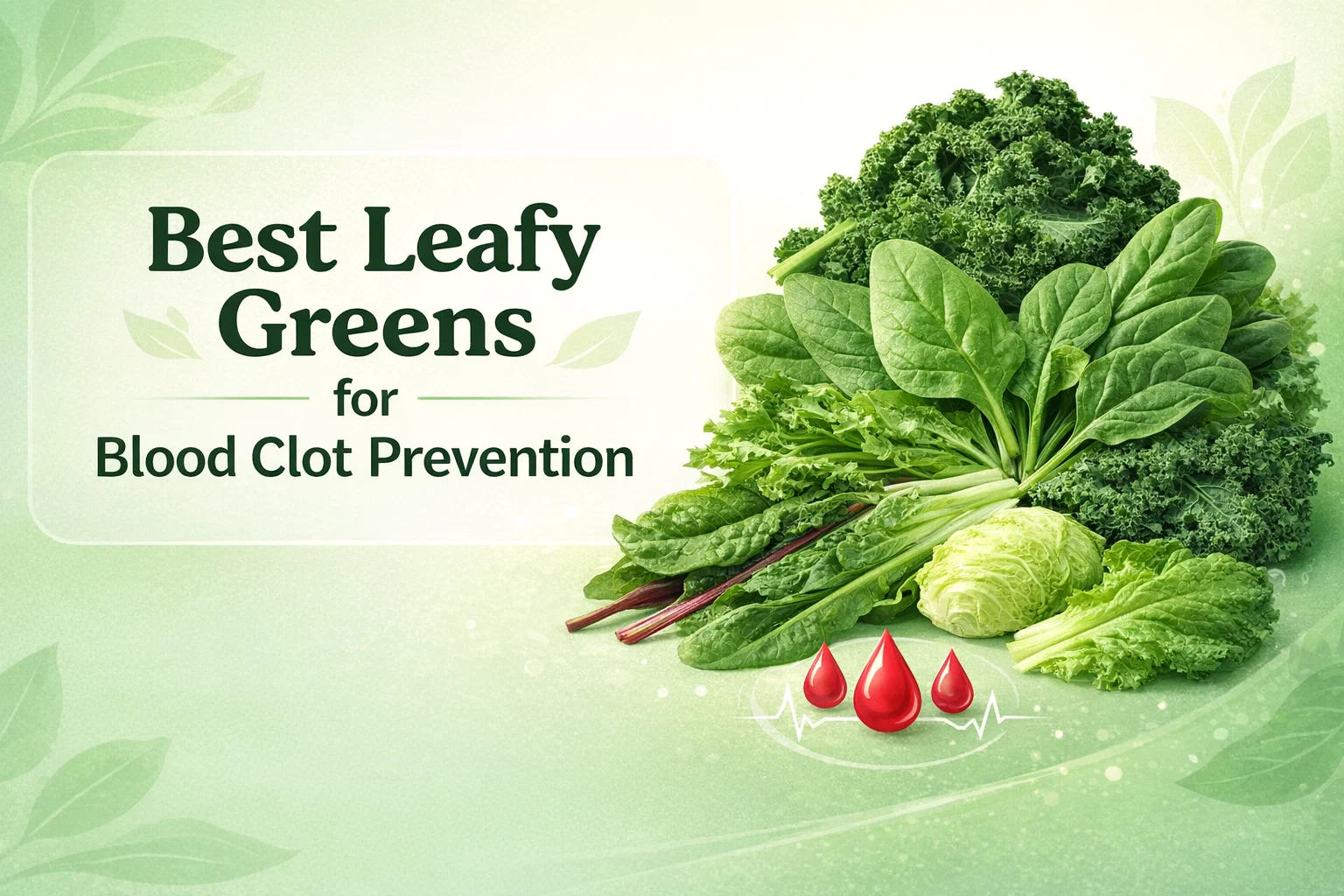
Top Leafy Greens for Natural Blood Clot Prevention Heart Health
Shutterstock
Explore
We often hear that what we put on our plates directly impacts how we feel, but did you know that your diet plays a crucial role in vascular health? Specifically, when it comes to blood clot prevention, the produce aisle might be your most powerful pharmacy. Leafy greens are packed with essential vitamins, minerals, and phytonutrients that support healthy blood flow and keep your cardiovascular system running smoothly. If you have been looking for simple, natural ways to bolster your heart health, incorporating a variety of these greens into your daily meals is a fantastic place to start.
The Vital Connection Between Greens and Vascular Health
Maintaining proper blood circulation is essential for overall longevity. Blood clots can be dangerous, but a proactive approach to nutrition can help mitigate risks by supporting the natural processes that keep your blood vessels healthy and your circulation flowing freely. The vegetables featured in our guide are not just side dishes; they are functional foods that provide specific compounds known to support heart and vascular health.
Many of these greens work by reducing inflammation, providing essential precursors for healthy blood vessel function, or supplying antioxidants that protect against oxidative stress. By rotating these vegetables through your diet, you provide your body with a broad spectrum of protective nutrients.
Top 9 Leafy Greens to Protect Your Circulation
Understanding which greens to choose is the first step toward better heart habits. Here is a breakdown of the top options and why they are so beneficial for your body:
1. Kale: The Vitamin K Powerhouse
Kale has earned its status as a superfood for good reason. It is incredibly high in Vitamin K, which is essential for blood coagulation. While you may have heard that people on certain blood-thinning medications need to be consistent with their Vitamin K intake, for the general population, this vitamin is crucial for maintaining the body’s ability to balance blood clotting factors appropriately.
2. Spinach: Nature’s Nitrates
Spinach is famous for more than just its iron content. It is rich in dietary nitrates. Once ingested, your body converts these nitrates into nitric oxide. Nitric oxide helps relax and widen blood vessels, which improves blood flow and can help maintain healthy blood pressure levels.
3. Swiss Chard: The Betaine Source
Often overlooked, Swiss Chard contains betaine, a compound known for its anti-inflammatory properties. Reducing inflammation in the arterial walls is a key component of cardiovascular health, making Swiss Chard a smart addition to your weekly meal planning.
4. Collard Greens: Vitamin E and Beyond
These hearty greens are an excellent source of Vitamin E. Vitamin E acts as an antioxidant, protecting your cells from damage. Furthermore, it supports the integrity of blood vessels, which is vital for preventing the issues that can lead to clot formation.
5. Arugula: Chlorophyll-Rich Support
Arugula adds a fantastic peppery kick to salads and is exceptionally high in chlorophyll. While research is ongoing, chlorophyll is thought to support detoxification processes in the body and contribute to better overall vascular health.
6. Beet Greens: More Than Just the Root
Don’t toss those beet tops! Like their root counterparts, beet greens are packed with Vitamin K and various antioxidants. They are a zero-waste way to boost your nutrient intake and support blood health.
7. Romaine Lettuce: Ferulic Acid Benefits
Romaine is much more than a crunchy filler. It contains ferulic acid, a phenolic compound with antioxidant and anti-inflammatory properties that help support the endothelium, the inner lining of your blood vessels.
8. Turnip Greens: Vitamin K2 Support
Turnip greens are a great source of Vitamin K2. While K1 is more common in greens, K2 is increasingly recognized for its role in directing calcium to the bones rather than allowing it to deposit in blood vessels, helping to maintain vessel elasticity.
9. Cabbage: Sulforaphane for Vascular Integrity
Cabbage contains sulforaphane, a sulfur-rich compound that has been extensively studied for its anti-inflammatory effects. By reducing systemic inflammation, sulforaphane helps protect blood vessels and supports overall cardiovascular resilience.
How to Incorporate More Greens Into Your Routine
Eating these greens every single day does not have to feel like a chore. The secret is variety and preparation. If you find the taste of raw kale too intense, try sautéing it lightly with garlic and olive oil. If you want a quick nutrient boost, toss a handful of spinach or arugula into a fruit smoothie; you will barely notice the flavor, but you will get all the benefits.
Consider creating a “greens mix” that you keep pre-washed in your fridge. Having a blend of romaine, spinach, and chard ready to go makes it much easier to toss a handful into soups, stir-fries, or omelets at a moment’s notice.
Important Considerations and Safety
While these foods are incredibly healthy, it is vital to keep safety in mind. If you are currently taking blood-thinning medication, it is essential to speak with your healthcare provider before significantly altering your intake of Vitamin K-rich foods. Consistency is key with these medications, and your doctor can help you manage your diet safely to ensure your medication continues to work exactly as intended.
Conclusion: Empowering Your Heart Health
Taking control of your vascular health does not always require drastic measures. Sometimes, the most effective change you can make is simply diversifying your plate. By incorporating these nine powerhouse leafy greens, you are providing your body with a daily dose of vitamins, nitrates, and antioxidants that work together to support better circulation and heart health. Start small, try new recipes, and enjoy the delicious journey toward a healthier, more vibrant you. Would you like me to create a weekly meal plan incorporating these nine leafy greens for you?