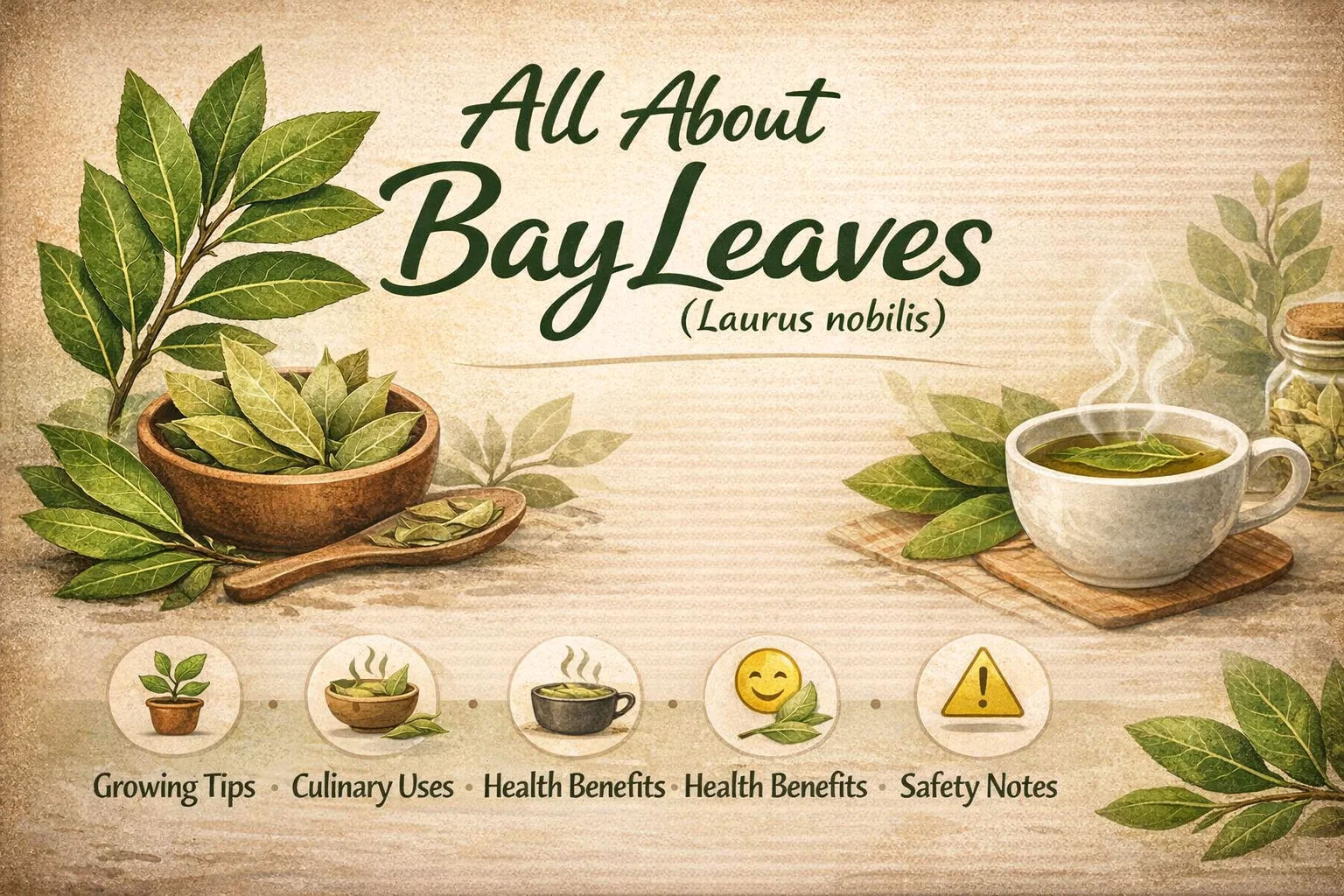
Ultimate Guide to Bay Leaves Benefits, Uses Growing Tips
Have you ever looked at that dried, green leaf floating in your grandmother’s famous stew and wondered what it actually does? For many of us, the bay leaf is a culinary mystery. We drop it into the pot, let it simmer for hours, and then diligently fish it out before serving, never fully realizing the incredible power packed into this humble botanical. If you are passionate about natural remedies and building a holistic home apothecary, you will be thrilled to know that the bay leaf, scientifically known as Laurus nobilis, is far more than just a subtle soup flavoring. It is an ancient botanical treasure boasting a rich history, remarkable health benefits, and a wide array of practical uses that extend well beyond the kitchen counter.
Today, we are diving deep into the world of the bay leaf. We will explore how to harness its natural healing properties, the best ways to incorporate it into your daily routines, and even how to cultivate your very own laurel tree right at home. Prepare to look at your spice rack in a completely new light.
A Glimpse into the Ancient History of the Bay Leaf
To truly appreciate the bay leaf, we have to travel back in time to the ancient civilizations of Greece and Rome. In these vibrant societies, the bay laurel was not just a plant; it was a deeply sacred symbol woven into the very fabric of their culture. According to Greek mythology, the laurel tree was intimately connected to Apollo, the god of music, poetry, truth, and healing. When you picture ancient emperors, victorious gladiators, or Olympic champions standing tall, you likely imagine them wearing leafy green crowns. Those iconic crowns were woven from the very same bay leaves we use today to flavor our broths.
These magnificent laurel wreaths were the ultimate symbol of wisdom, victory, and elite status. In fact, the term “baccalaureate,” used in modern educational degrees, actually stems from the ancient practice of crowning distinguished scholars with laurel berries and leaves. Knowing this rich, vibrant history completely changes how you view that simple, dried leaf sitting in your pantry. It is a plant of champions, revered for thousands of years by healers and leaders before it ever made its way into our modern culinary repertoire.
Incredible Health Benefits of Bay Leaves
While we might know it best for its earthy flavor profile, the bay leaf is a genuine powerhouse in the world of natural health. Integrating this herb into your daily wellness routine can offer a surprising number of supportive benefits for your body, mind, and overall vitality.
Exceptional Digestive Support
One of the most celebrated and traditional uses of the bay leaf is its remarkable ability to soothe the digestive system. The unique organic compounds and essential oils found in these leaves are highly effective at settling an upset stomach and promoting healthy, efficient digestion. When you simmer a bay leaf in a heavy, rich stew, it does not just add a layer of flavor. It actually helps break down complex, heavy proteins, making the food much easier for your digestive tract to process and absorb. If you frequently struggle with uncomfortable bloating, gas, or indigestion after a hearty meal, incorporating more bay leaves into your cooking can make a world of difference in how you feel post-dinner.
Natural Stress Relief and Deep Relaxation
In our fast-paced, modern world, finding accessible moments of calm is absolutely essential for our well-being. Bay leaves contain a potent compound called linalool, which is well-known in the world of aromatherapy for its soothing, calming properties. When the aroma of a bay leaf is inhaled, it can actually help lower the level of stress hormones circulating in the body. This makes it a wonderful, completely natural tool for managing everyday anxiety and promoting a sense of tranquil well-being. Whether you experience it through a steaming cup of tea or a simple aromatherapy session, the scent is incredibly grounding and peaceful.
Robust Immune System Support
Nature always provides the best defense, and bay leaves are packed with elements that support a healthy, resilient immune system. They are a fantastic source of vital vitamins and contain powerful antioxidants that help protect your cells from oxidative stress and free radical damage. Furthermore, bay leaves boast natural antibacterial and antifungal properties. Historically, herbalists used them in healing poultices to keep wounds clean and prevent infection. Today, we can easily enjoy their immune-boosting benefits simply by incorporating them into our nourishing bone broths, daily meals, and herbal preparations.
Creative and Practical Ways to Use Bay Leaves
Now that we understand the incredible therapeutic benefits, how can we make the absolute most of this magical herb? There are several highly effective ways to extract the essence of the bay leaf, ranging from traditional culinary applications to soothing, spa-like home treatments.
Elevating Flavorful Soups, Stews, and Broths
This is the classic, time-honored application, but it is a classic for a very good reason. Bay leaves release their aromatic oils incredibly slowly. This unique characteristic is exactly why they are absolutely perfect for slow-cooked dishes like hearty winter stews, deeply nourishing bone broths, and rich pasta sauces. As the liquid simmers, the leaf infuses the pot with a subtle, earthy, and slightly floral depth that completely transforms the entire dish. It ties all the other flavors together perfectly. Just remember the golden rule of cooking with bay leaves: always fish the whole leaf out of the pot before you serve the meal to your family or guests.
Brewing Soothing, Aromatic Bay Leaf Tea
If you want to access the digestive and stress-relieving benefits directly and quickly, making a simple bay leaf tea is a fantastic herbal method. Simply take two to three high-quality dried bay leaves, place them in your favorite mug, pour boiling water over them, and cover the mug to trap the volatile oils. Let the leaves steep for about ten to fifteen minutes. The resulting tea has a beautifully comforting, mildly spiced flavor. You can add a slice of fresh lemon, a cinnamon stick, or a touch of raw local honey to enhance the taste profile. Sipping this warm, fragrant tea after dinner is a wonderful ritual to wind down your evening and support your digestion before heading to bed.
Revitalizing Herbal Steam Inhalation
When cold and flu season hits hard, or if your sinuses simply feel congested from seasonal allergies, a traditional bay leaf steam can be an absolute lifesaver. Bring a medium pot of water to a rolling boil, remove it from the heat source safely, and toss in a handful of dried or fresh bay leaves. Lean carefully over the pot, drape a large towel over your head and shoulders to create a tent that traps the rising steam, and take deep, slow breaths through your nose. The medicinal volatile oils released in the hot steam act as a natural expectorant, helping to quickly clear your respiratory pathways and ease congestion. As an added bonus, this herbal steam is incredibly rejuvenating and cleansing for your facial skin.
Burning Safely for Aromatic, Space-Clearing Benefits
A lesser-known but incredibly beautiful way to use bay leaves is by burning them for their aromatic smoke. Similar to the practice of burning incense, sweetgrass, or sage, lighting a dried bay leaf in a fireproof dish releases a highly fragrant smoke that naturally neutralizes household odors and fills the room with a calming, herbal scent. It is a wonderful, intentional practice to clear the stagnant energy in a room, prepare your space for meditation or yoga, or simply unwind the mind after a long, highly stressful day. Always ensure you are burning them safely in a proper, heat-resistant container and never leave burning herbs unattended.
How to Grow Your Own Bay Laurel Tree at Home
If you truly love natural remedies, there is nothing quite as satisfying as growing your own medicine. The wonderful news is that the Laurus nobilis plant is surprisingly easy to cultivate, even if you do not have access to a massive backyard garden. Here is exactly what you need to know to grow a thriving, beautiful bay tree of your own.
Finding the Perfect Lighting Conditions
Bay laurel trees are true Mediterranean natives, which means they absolutely love soaking up the sun. When planting your tree outdoors or placing your indoor pot, look for a prime spot that receives full, direct sun or, at the very least, bright partial shade. If you are keeping your beautiful plant indoors year-round, a bright, south-facing window is usually the best possible location to ensure it gets the abundant light it craves to produce those highly medicinal essential oils in its leaves.
Soil Preferences and Proper Watering Techniques
Because of their dry Mediterranean origins, bay trees absolutely do not like to sit in soggy, waterlogged soil. They require light, well-draining soil to prevent deadly root rot. A standard, high-quality potting mix amended with a generous handful of perlite, pumice, or coarse sand works perfectly to create the ideal drainage. You must allow the top inch or two of the soil to dry out completely before you water the plant again. They are wonderfully drought-tolerant once their root systems are established, making them a very forgiving and low-maintenance plant for busy modern gardeners.
Winter Care and Container Gardening Strategies
Unless you are lucky enough to live in a very mild, frost-free climate, you will likely need to grow your bay tree in a sturdy container. These robust-looking plants are actually quite sensitive to freezing temperatures and harsh winter winds. Growing them in pots is the perfect solution, as it allows you to easily move them and bring them indoors when the bitter winter chill sets in. Keep them in a bright, relatively cool room during the dark winter months, and significantly reduce your watering frequency until the bright spring growing season begins again and the plant actively pushes out new growth.
Important Safety Notes and Precautions for Bay Leaves
As with all herbal remedies, culinary ingredients, and natural supplements, safety should always be your absolute top priority. While bay leaves are generally considered very safe and beneficial for everyday household use, there are a few crucial guidelines and precautions to keep in mind to ensure a positive experience.
Always Remove the Leaves Before Eating
This is perhaps the single most critical rule of cooking with this herb. While the flavor essence of the leaf is deeply beneficial and delicious, the physical leaf itself is incredibly rigid, leathery, and does not soften or break down during the cooking process, even after hours of simmering. If accidentally swallowed whole, the sharp, stiff edges of the leaf can pose a significant choking hazard or potentially scratch and damage the delicate lining of the digestive tract. The leaf has done its noble job by infusing your broth with magic; always fish it out and discard or compost it before plating your food.
Ensure You Have True Laurus nobilis
It is vital to understand that not all plants with “bay” or “laurel” in their common name are safe for human consumption. It is absolutely crucial that you are using true Laurus nobilis. Other completely unrelated varieties, such as the Mountain Laurel or the Cherry Laurel, are highly toxic to humans and pets and should never, under any circumstances, be ingested or used in your cooking or teas. If you are foraging in the wild or buying young plants from a local nursery, always strictly verify the botanical Latin name on the tag to guarantee you are bringing home the safe, culinary variety.
Precautions During Pregnancy
If you are currently pregnant or breastfeeding, it is always a wise standard practice to exercise caution with any concentrated herbal remedies. While eating a normal bowl of soup flavored with a single bay leaf is generally considered perfectly safe, consuming medicinal, therapeutic amounts, such as highly concentrated daily teas, tinctures, or herbal supplements, should be avoided during pregnancy unless you are specifically guided and monitored by a qualified healthcare professional or clinical herbalist.
Conclusion: Embrace the Power of the Humble Bay Leaf
The bay leaf is a absolutely perfect example of how the most unassuming, commonplace ingredients hidden in the back of our kitchen cabinets often hold the most incredible, untapped potential. From its highly revered, sacred roots in ancient Rome to its vital, practical role in modern digestive health and natural stress relief, Laurus nobilis is a true botanical powerhouse that deserves a place of honor in both your culinary pantry and your home apothecary.
Whether you decide to cultivate your own beautiful, fragrant bay tree on your sunny patio, start brewing comforting herbal teas to end your day, or simply take a mindful moment to appreciate the complex aroma of a slow-simmering stew, there are truly endless ways to benefit from this remarkable, historic herb. So, the very next time you reach for that little glass jar of dried green leaves, remember that you are holding a fascinating piece of ancient history and a highly effective tool for natural wellness. Happy cooking, and happy healing!