6 Best Homemade Frosting Recipes Easy Buttercream, Chocolate Cream Cheese Frosting
Mastering the art of cake decorating starts with one essential component: the perfect frosting. While a box mix can get you halfway there, a homemade topping is what truly elevates a dessert from a simple treat to a professional masterpiece. Whether you are looking for the airy lightness of a whipped cream topping or the rich, dense indulgence of a peanut butter swirl, having a reliable repertoire of frosting recipes is a game changer for any home baker. The right frosting does more than just add sweetness; it provides the structural integrity for tiered cakes, the perfect canvas for sprinkles, and that nostalgic flavor that defines our favorite celebrations.
The Foundations of Great Frosting
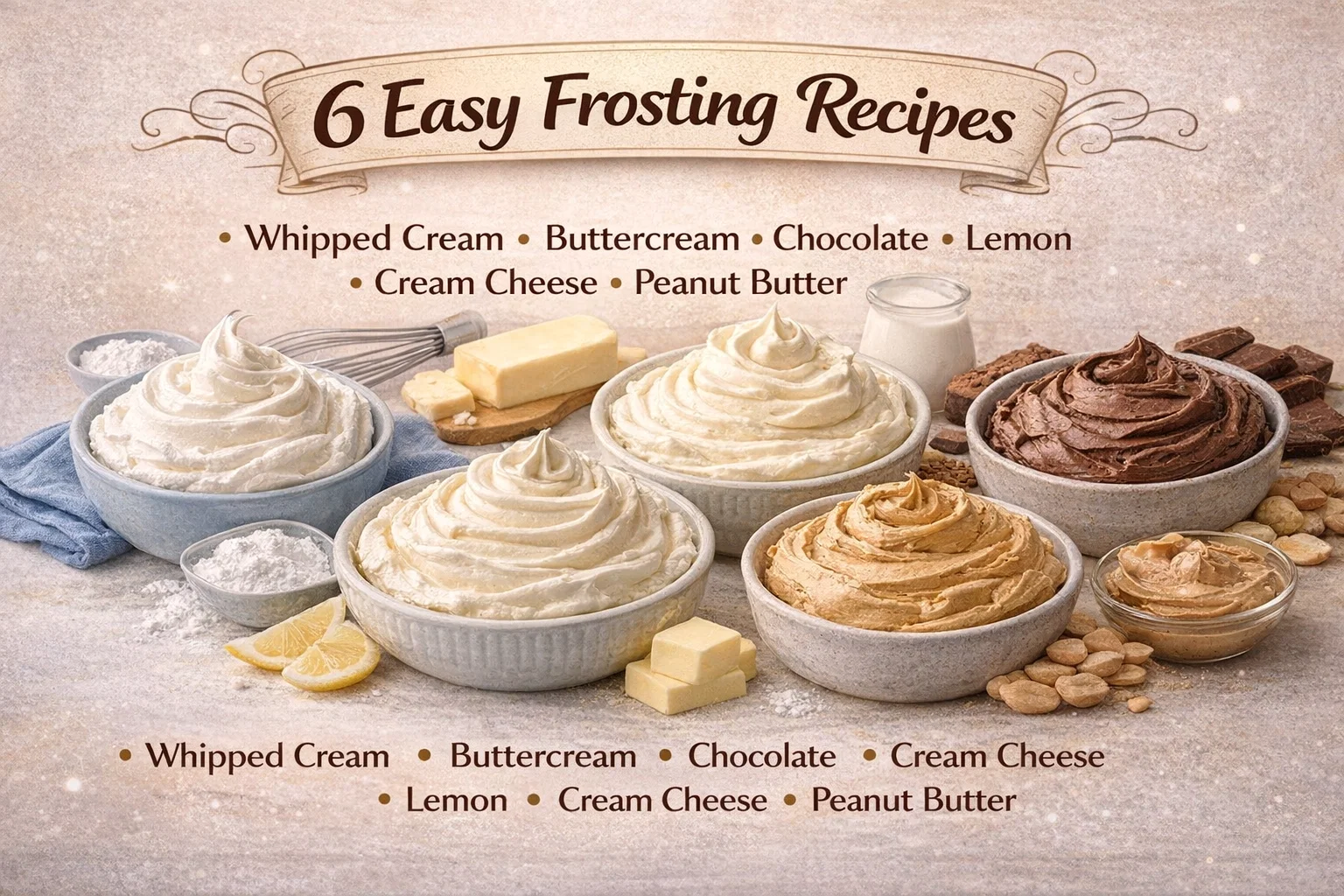
Before diving into specific recipes, it is important to understand what makes a frosting work. Most frostings are an emulsion of fats, sugars, and liquids. The fat provides the mouthfeel and stability, while the sugar provides the structure and sweetness. When you look at the six essential types—Whipped Cream, Buttercream, Chocolate, Lemon, Cream Cheese, and Peanut Butter—each serves a unique purpose based on its consistency and flavor profile. Achieving the right texture often comes down to the temperature of your ingredients. For instance, softened butter is the secret to a smooth buttercream, while chilled cream is non negotiable for a stable whipped topping.
Whipped Cream Frosting: Light and Airy Perfection
If you prefer a dessert that is not overly sugary, Whipped Cream Frosting is your best friend. This is the lightest option in the baking world, often used for fruit topped cakes, pavlovas, or light chiffon sponges. Unlike the stabilized versions you might find in a grocery store, a homemade whipped cream frosting relies on high fat content and precise aeration.
Pro Tips for Stable Whipped Cream
- Chill Everything: Your bowl and whisk should be ice cold. Place them in the freezer for ten minutes before you start to ensure the fat in the cream stays solid while you incorporate air.
- Don’t Overbeat: There is a fine line between stiff peaks and butter. Watch closely as the cream thickens; once it holds its shape on the whisk, stop immediately.
- Serve Immediately: Because this frosting is dairy heavy and lacks a high sugar content for stabilization, it is best enjoyed shortly after it is made.
Classic Buttercream: The Baker’s Workhorse
American Buttercream is perhaps the most famous frosting in the world. It is the go to choice for birthday cakes and intricate piping work because it is incredibly stable at room temperature. With just four main ingredients—unsalted butter, powdered sugar, milk, and vanilla—it creates a sweet, creamy barrier that keeps cakes moist and delicious. The key to a professional grade buttercream is the whipping process. Many beginners stop as soon as the sugar is incorporated, but continuing to beat the mixture for several minutes will result in a pale, fluffy texture that melts in your mouth.
Rich Chocolate Frosting: An Indulgent Favorite
Chocolate frosting is a staple for a reason. By adding cocoa powder to a standard buttercream base, you create a deep, earthy flavor that balances the sweetness of the powdered sugar. To make this frosting truly stand out, using a high quality Dutch processed cocoa can provide a darker color and a more intense chocolate hit. If the frosting feels too stiff, adding a few extra drops of heavy cream can create a glossy finish that looks beautiful when swirled onto a chocolate fudge cake.
Cream Cheese Frosting: The Tangy Classic
There is nothing quite like the pairing of a tangy cream cheese frosting with a spiced carrot cake or a vibrant red velvet layer. This frosting is notoriously softer than traditional buttercream due to the moisture content in the cheese. To ensure it doesn’t run off your cake, always use full fat brick cream cheese rather than the spreadable kind found in tubs. Keeping the butter and cream cheese at a cool room temperature helps maintain a thick, pipeable consistency that holds its shape through every bite.
Zesty Lemon Frosting: A Burst of Sunshine
When the weather warms up or you are serving a dense pound cake, a Lemon Frosting provides a refreshing citrus kick. By using both fresh lemon zest and juice, you infuse the sugar with natural oils that provide a much more complex flavor than extracts alone. This frosting works exceptionally well on blueberry cupcakes or as a filling between layers of vanilla sponge. If you find the lemon juice makes the frosting too thin, simply add a bit more powdered sugar until you reach your desired thickness.
Peanut Butter Frosting: For the Nut Lovers
For those who love a savory sweet combination, Peanut Butter Frosting is the ultimate topping. By blending creamy peanut butter with butter and sugar, you get a dense, mousse like frosting that is incredibly satisfying. It is the perfect partner for chocolate cupcakes or even as a filling for homemade sandwich cookies. Because peanut butter varies in oil content, you may need to adjust the amount of milk or cream used to get the texture just right. Aim for a consistency that is thick enough to hold a swirl but soft enough to spread without tearing the cake surface.
Creative Ways to Use Your Frosting
- The Crumb Coat: Always apply a thin layer of frosting first to seal in crumbs, then refrigerate for twenty minutes before applying the final decorative layer.
- Flavor Swirling: Try marbleizing two different frostings, like chocolate and peanut butter, for a visually stunning and delicious effect.
- Filling vs. Topping: Use the denser frostings like cream cheese or peanut butter as fillings, and the lighter ones like whipped cream as external decor.
Common Frosting Mistakes and How to Fix Them
Even experienced bakers run into trouble sometimes. If your frosting is too runny, the most common culprit is heat. Either your butter was too melted or your cake was still warm. Try chilling the frosting for thirty minutes and beating it again. If the mixture looks curdled or grainy, it is often because the ingredients were at different temperatures. Ensure your butter and liquids are all at room temperature to help them emulsify properly. For frosting that is too sweet, a tiny pinch of fine sea salt can work wonders in balancing the flavors without changing the texture.
Storing and Prepping Your Frosting
The beauty of these recipes is that most of them can be made in advance. Buttercream and chocolate frosting can be stored in the refrigerator for up to a week or frozen for months. When you are ready to use them, simply let them come to room temperature and give them a quick whip with a hand mixer to restore that fluffy volume. Cream cheese and whipped cream frostings are more sensitive and should be kept refrigerated at all times, ideally being used within a day or two for the best taste and safety.
Conclusion: The Final Flourish
Baking is a science, but frosting is an art. With these six easy recipes in your toolkit, you have the foundation to create an endless variety of desserts that look as good as they taste. From the zest of a lemon to the richness of cocoa, the right frosting brings balance and joy to every slice. The next time you fire up the oven, skip the store bought tub and try one of these homemade variations. Your friends and family will certainly taste the difference that fresh ingredients and a little bit of whipping can make. Happy baking and enjoy the sweet rewards of your hard work in the kitchen.