Breaking the People Pleasing Cycle How to Set Boundaries and Stop Over-Apologizing
Understanding the internal landscape of the pleaser is the first step toward reclaiming a life of authenticity and peace. Many of us move through the world with an invisible weight on our shoulders, constantly scanning the room to ensure everyone else is comfortable, happy, and satisfied. We often mistake this behavior for simple kindness or generosity, but the reality is frequently rooted in a deep-seated survival mechanism. When our internal safety is tied to the happiness of others, we find ourselves trapped in a cycle of self-abandonment that leads to exhaustion and a profound sense of emptiness.
The Anatomy of the Pleaser Pattern
The journey of a pleaser usually begins long before adulthood. It starts with a core belief that love is something to be earned rather than a natural right. In many cases, this pattern develops in environments where love was conditional or where attention was only granted when we were helpful, easy, or agreeable. If expressing a need was met with the idea that we were being too much, we quickly learned to prioritize the comfort of others over our own. This creates a blueprint for safety that tells us if we are good enough, we will finally be loved and protected.
As we grow, this blueprint manifests in our daily interactions. It shows up as a reflexive need to say yes before we have even checked in with ourselves to see if we have the capacity to help. It shows up as over-apologizing for things that do not require an apology, essentially apologizing for our very existence in a space. This constant state of hyper-vigilance means we feel responsible for the emotional state of every person in the room. If someone is disappointed, it feels like a personal emergency that must be fixed immediately.
The Hidden Cost of Constant Agreement
While being a pleaser might make you popular or dependable in the eyes of others, the internal cost is devastating. You abandon yourself daily. Every time you say yes when you want to say no, you are essentially telling your subconscious that your needs do not matter. Over time, this erosion of the self leads to a lack of identity. You might find yourself wondering why you feel so empty despite being surrounded by people who seemingly appreciate your help. That emptiness is the result of a missing connection to your own desires, boundaries, and values.
Signs You Are Living in the Pleaser Cycle
Recognizing the signs of this behavior is essential for making a shift. If you find yourself nodding along while reading this, you might be caught in these common pleaser habits:
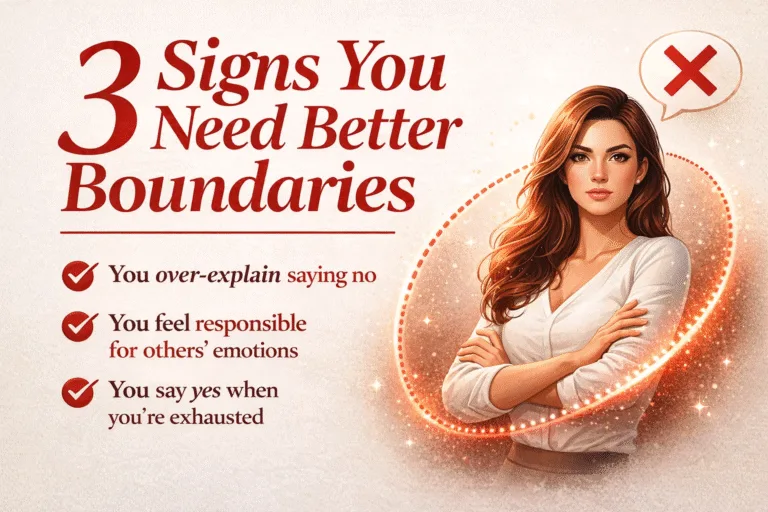
- The Instant Yes: You agree to requests instantly because the idea of saying no creates immediate physical anxiety.
- The Responsibility Trap: You feel a heavy burden to fix the moods of others, even when their feelings have nothing to do with you.
- Hyper-Apologizing: You use the phrase I am sorry as a conversational filler, even when you have done nothing wrong.
- Panic at Disappointment: Seeing a look of letdown on someone else’s face triggers a fight or flight response in your nervous system.
- Restless Service: You find it impossible to sit down and relax until you are certain that everyone else around you is perfectly cared for and content.
Why We Fear Disappointment So Deeply
At the heart of the pleaser’s struggle is a core fear: if I disappoint them, they will leave. This fear of abandonment is what drives the frantic need to keep everyone happy. We equate someone’s temporary disappointment with a total rejection of our character. To the pleaser, a small conflict feels like the end of a relationship. This is why setting boundaries feels so dangerous; it feels like we are intentionally pushing people away, even when we are simply trying to preserve our own health.
Shifting the Narrative: From Safety to Sovereignty
To break the cycle, we must undergo a fundamental shift in how we view ourselves and our relationships. The most important realization you can have is that their disappointment is not your emergency. Other people are responsible for their own emotional regulation. If you set a healthy boundary and someone reacts with frustration, that is a reflection of their expectations, not a failure of your character. It is an invitation for them to manage their own feelings rather than an obligation for you to fix them.
We must also change our relationship with the word no. In the mind of a pleaser, no is a rejection or an act of aggression. In reality, no is simply information. It is a data point that communicates your current capacity and limits. When you provide this information, you are actually being more honest and authentic in your relationships. A yes that is fueled by resentment or fear is not a true gift; it is a transaction designed to buy safety.
Practicing the Pause
One of the most practical ways to start breaking this habit is by practicing the pause. Instead of giving an immediate answer to a request, try using phrases like let me check my schedule and get back to you or I need to think about that. This small window of time allows your nervous system to settle. It gives you the space to ask yourself if you actually want to do the task or if you are just trying to avoid the discomfort of saying no. This simple habit is the first step in stopping the daily abandonment of yourself.
Building Healthy Boundaries for Long Term Peace
Boundaries are not walls designed to keep people out; they are the gates that define where you end and another person begins. For a pleaser, these lines are often blurred. Establishing boundaries requires you to identify your own needs and communicate them clearly. This might feel incredibly uncomfortable at first. You might feel guilty or selfish, but it is important to remember that self-care is not a luxury. It is a requirement for a functional life.
Handling the Backlash
When you start changing the way you interact with people, there might be some pushback. People who are used to your constant compliance may feel inconvenienced when you start saying no. This is a crucial moment. It is tempting to slide back into old patterns to keep the peace. However, staying firm in your boundaries is the only way to build relationships based on mutual respect rather than one-sided sacrifice. True friends and loved ones will eventually adjust and respect your new limits. Those who do not are often the ones who benefited most from your lack of boundaries.
The Path to Self-Recovery and Wholeness
The journey away from being a pleaser is a journey toward wholeness. It involves learning to love yourself with the same intensity and dedication that you have been giving to everyone else. It means acknowledging that your needs are not too much and that you are allowed to take up space in the world. As you stop seeking safety through the approval of others, you begin to find a more stable and reliable safety within yourself.
This process takes time and significant self-compassion. You will likely have days where you fall back into old habits, and that is okay. The goal is progress, not perfection. Every time you choose your own well-being over a performative yes, you are rewriting the old belief that you have to be good enough to be loved. You are proving to yourself that you are already enough, exactly as you are.
Redefining What It Means to Be Good
We often think that being a good person means being a pleaser, but true goodness involves honesty and integrity. Being honest about your limits is a much higher form of kindness than agreeing to something you cannot handle. When you are authentic, the people around you know they can trust your yes because they know you are capable of saying no. This creates a foundation of trust that is far stronger than any bond built on people-pleasing could ever be.
Final Thoughts on Reclaiming Your Life
Breaking free from the pleaser pattern is one of the most courageous things you can do. It requires you to face your deepest fears and challenge long-standing beliefs about your worth. By understanding that love should not be conditional and that your primary responsibility is to your own well-being, you open the door to a life of true fulfillment. You no longer have to wonder why you feel empty because you are finally filling your own cup first. The shift from emergency to information and from abandonment to self-care changes everything. You deserve to live a life where your peace is the priority and where your worth is never up for negotiation.