Master Self-Discipline 7 Proven Jim Kwik Tips for Better Self-Control and Focus
Have you ever felt like your brain is a high-performance sports car, but you are stuck in first gear? Many of us struggle to reach our full potential, not because we lack talent or ambition, but because we lack the fundamental engine that drives success: self-discipline. In a world full of constant notifications and endless distractions, staying focused on your long-term goals is harder than ever. However, according to Jim Kwik, the renowned author of Limitless, self-control is not a fixed trait you are born with. It is a muscle you can strengthen with the right techniques. By understanding the core principles of mental mastery, you can transform your daily life and achieve the breakthroughs you have always dreamed of.
The Foundation of Success: Why Self-Discipline Matters
Self-discipline is often misunderstood as a form of self-punishment or a restrictive way of living. In reality, it is the ultimate form of self-care. When you have the discipline to follow through on your commitments, you build a deep sense of trust with yourself. This internal reliability is what creates confidence and reduces the anxiety of unfinished tasks. Jim Kwik emphasizes that our brains are capable of incredible feats if we provide them with the right environment and structure. Discipline is the bridge between your goals and your actual accomplishments. Without it, even the best intentions remain nothing more than wishes. By adopting a mindset of intentionality, you move from a state of being reactive to a state of being proactive.
Step 1: Fix Your Routines for Long-Term Consistency
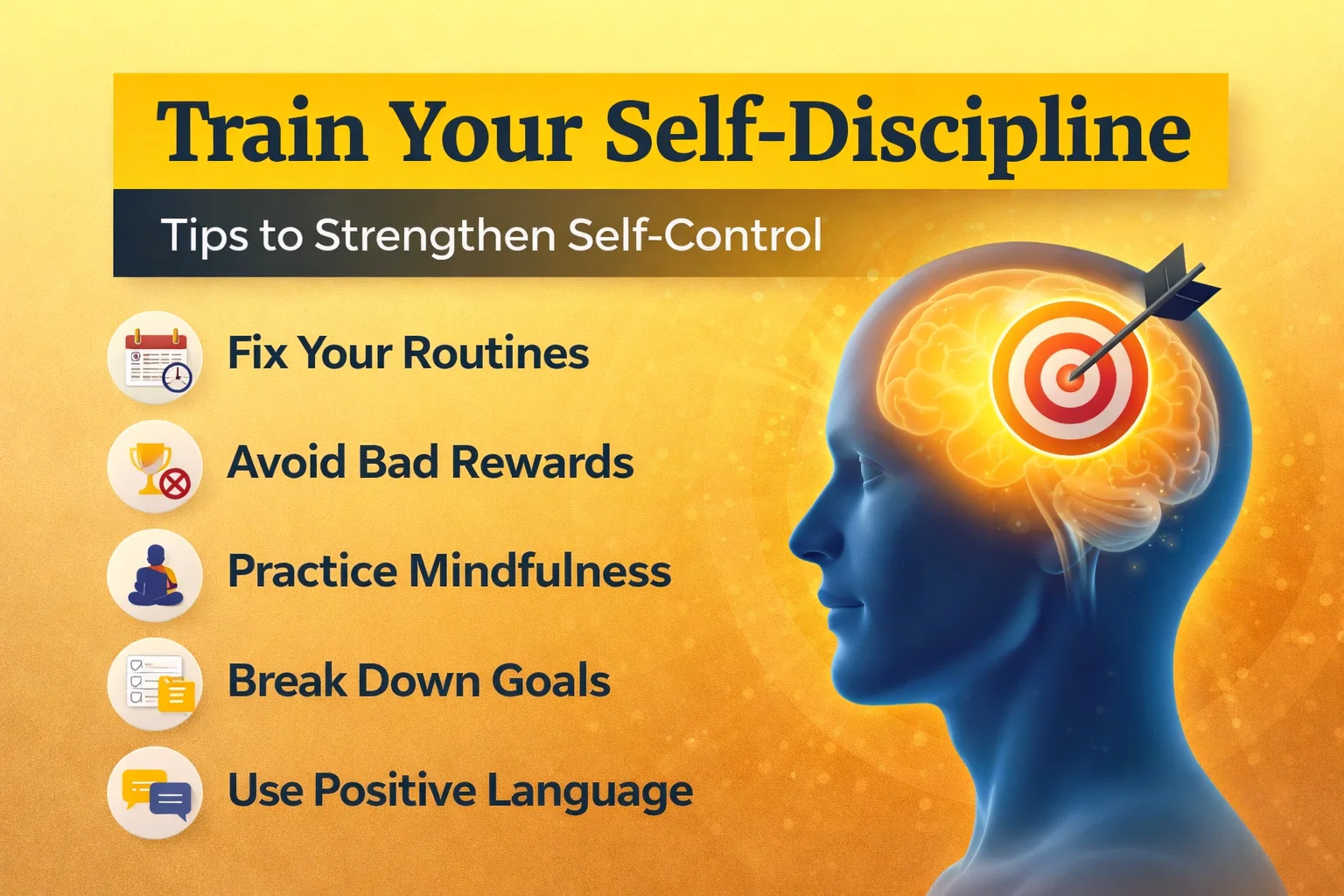
The first step in Jim Kwik’s approach to self-control is fixing your routines. Your brain loves patterns because they save energy. When you establish a consistent morning or evening routine, you remove the need to make difficult choices when your willpower might be low. Consistency helps build a structure that acts as a safety net for your productivity. If you wake up and immediately know your first three actions, you are far more likely to have a successful day than if you spend that time wondering what to do next. Routines create a sense of momentum that carries you through the moments when you do not feel motivated.
Building a Morning Power Routine
A great routine does not have to be complicated. It can be as simple as drinking a glass of water, spending five minutes in silence, or reviewing your top goals for the day. The key is to make it non-negotiable. Over time, these small actions become automated, meaning you exert less effort to get them done. This is how high achievers stay on track even on their worst days.
Step 2: Avoid Bad Rewards and Poor Choices
We often fall into the trap of rewarding hard work with habits that actually undermine our progress. For example, after a long week of healthy eating, some people might reward themselves with a massive binge of junk food that leaves them feeling sluggish the next day. Jim Kwik warns against these “bad rewards.” When you associate your success with something that hurts your long-term health or focus, you are sending mixed signals to your brain. Instead, try to find rewards that align with your goals. If you finish a big project, reward yourself with a relaxing massage, a new book, or an afternoon spent in nature. This reinforces the positive behavior without undoing the hard work you have already put in.
Step 3: Practice Mindfulness and Intentionality
Mindfulness is more than just a buzzword; it is a critical tool for self-regulation. Being mindful means staying present and intentional in your decisions rather than living on autopilot. When you are mindful, you notice the impulse to check your phone or procrastinate before you actually do it. This small gap of awareness gives you the power to choose a different path. Kwik suggests that by being present in the moment, you can better understand why you are feeling tempted to stray from your path. Are you bored? Stressed? Tired? Once you identify the root cause, you can address it directly rather than seeking a quick distraction.
Step 4: Break Down Goals into Manageable Steps
One of the biggest killers of discipline is overwhelm. When a task feels too big, our brains often view it as a threat and trigger a procrastination response. To combat this, you must tackle big tasks by dividing them into smaller, manageable steps. Jim Kwik often talks about the power of small wins. If you want to write a book, do not focus on the 300 pages; focus on the next 300 words. When you complete a small step, your brain releases dopamine, which makes you feel good and motivates you to take the next step. This creates a positive feedback loop that keeps you moving forward without feeling the weight of the entire project on your shoulders.
Step 5: Use Positive Language to Shift Your Identity
The way you speak to yourself has a profound impact on your ability to stay disciplined. If you constantly say things like “I am not a disciplined person” or “I won’t be able to finish this,” you are programming your mind for failure. Jim Kwik encourages the use of positive language. Instead of saying “I won’t,” try saying “I will.” Shifting your language from “I have to do this” to “I get to do this” changes your internal state from one of obligation to one of opportunity. Your identity is shaped by your self-talk. When you speak like a person who is in control of their life, your brain starts to act like one.
The Power of “I Am”
Statements beginning with “I am” are incredibly powerful. When you say “I am focused” or “I am a person who follows through,” you are creating a mental blueprint. Your subconscious mind works tirelessly to ensure your actions match your stated identity. Use this to your advantage by choosing words that empower your journey.
Step 6: Be Authentic and Align with Your Values
Discipline is much easier to maintain when your actions are in total alignment with your true values. If you are trying to force yourself to do something that you do not actually care about, you will eventually run out of willpower. Authenticity means knowing what truly matters to you and ensuring your daily habits reflect those priorities. Jim Kwik suggests taking the time to audit your life. Are you pursuing goals because you want them, or because someone else expects them of you? When you are working toward something that resonates with your core identity, discipline feels less like a struggle and more like a natural expression of who you are.
Step 7: Avoid Decision Fatigue by Automating Small Tasks
Every decision you make throughout the day uses up a small amount of mental energy. This is known as decision fatigue. By the time evening rolls around, your “willpower battery” is often drained, which is why it is so much easier to eat junk food or skip the gym at night. To protect your self-discipline, you should automate as many small decisions as possible. This could mean meal prepping for the week, picking out your clothes the night before, or having a set schedule for when you check your email. By removing these minor choices, you save your mental energy for the high-impact decisions that actually move the needle in your life.
Strategies for Mental Energy Preservation
- Batching Tasks: Group similar activities together to reduce the cognitive load of switching between different types of work.
- The Two Minute Rule: If a task takes less than two minutes, do it immediately so it doesn’t clutter your mental to-do list.
- Standardize Your Environment: Keep your workspace organized so you don’t have to decide where things go every single day.
The Role of Environment in Self-Control
While internal discipline is vital, your external environment plays a massive role in your success. If you are trying to stay focused but your desk is covered in clutter and your phone is buzzing every few seconds, you are making the job much harder than it needs to be. Jim Kwik advises that we should design our environments to make good habits easy and bad habits difficult. If you want to read more, put a book on your pillow. If you want to stop scrolling social media, move the apps off your home screen. Small changes in your physical space can lead to huge shifts in your behavior.
Overcoming Obstacles and Staying Resilient
No matter how disciplined you are, there will be days when things do not go as planned. You might get sick, have an unexpected emergency, or simply have an “off” day. The key to long-term success is resilience. Do not let one slip-up turn into a complete collapse of your routines. Jim Kwik emphasizes that progress is not linear. If you fall off track, the best thing you can do is acknowledge it without judgment and get back to your routine as soon as possible. Self-discipline is about the long game, not just a single perfect week.
Conclusion: Your Journey to a Limitless Life
Mastering self-discipline is a journey that requires patience, practice, and a willingness to learn from your mistakes. By following the steps outlined by Jim Kwik, you can stop fighting against yourself and start working with your brain’s natural tendencies. Fix your routines, watch your language, and ensure your actions align with your deepest values. Remember that every small choice you make is a vote for the person you want to become. As you implement these strategies, you will find that self-control becomes a source of freedom rather than a burden. You have the power to take charge of your mind and create a life of purpose and achievement. Start today by choosing just one of these steps and applying it to your life. Your future self will thank you for the discipline you show right now.