How to Set Healthy Boundaries Personal Growth Self-Care Checklist for Emotional Wellness
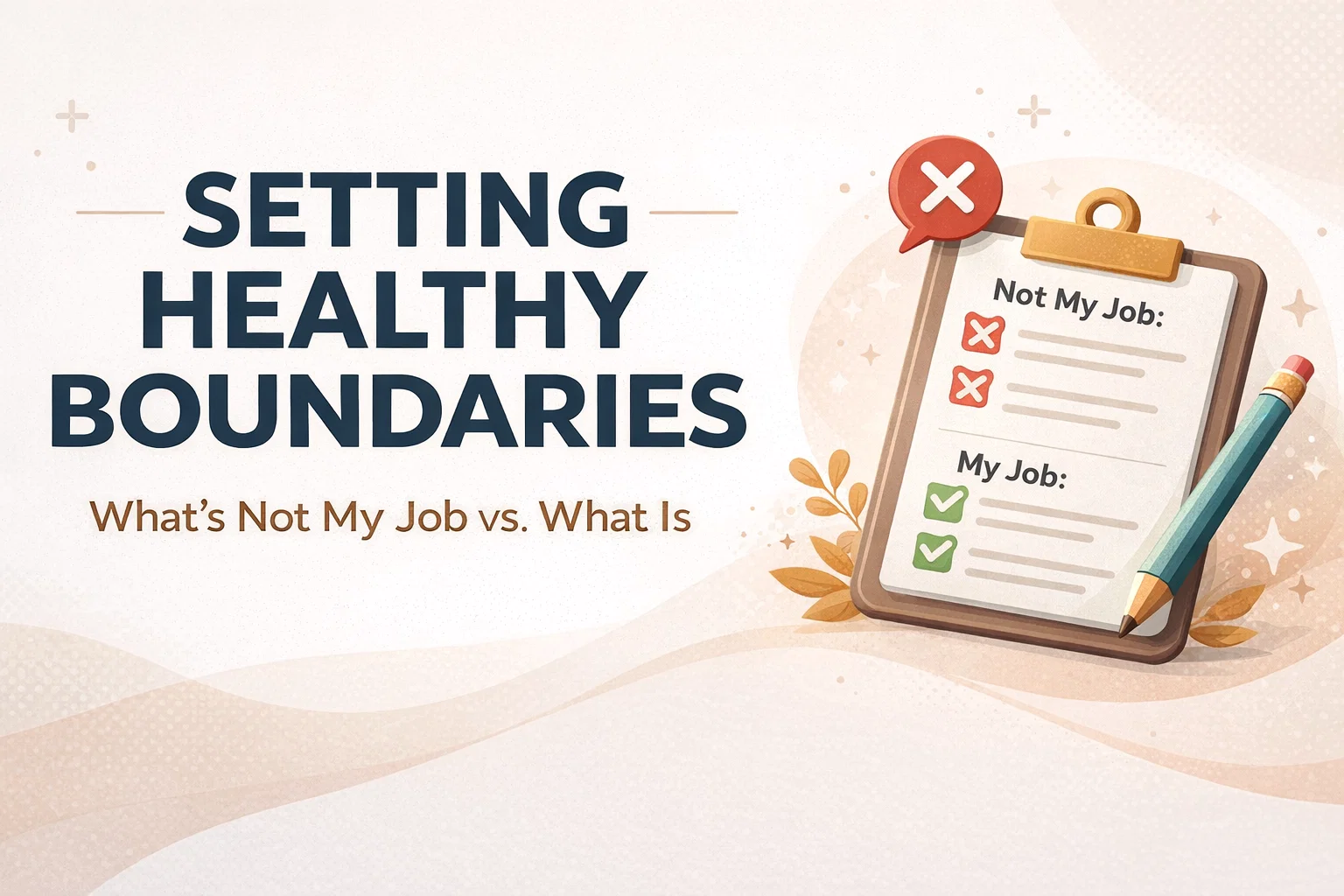
Establishing clear personal boundaries is one of the most transformative steps you can take toward a healthier and more balanced life. While the concept might sound simple, the practice of actually enforcing these limits is often fraught with guilt, hesitation, and social pressure. The image we are looking at today serves as a powerful manifesto for anyone who has ever felt drained by the demands of others or lost in the cycle of chronic people pleasing. It highlights a fundamental truth: your energy is a finite resource, and you are the only one who can truly protect it.
Living without boundaries is like owning a home without a fence or a front door. Anyone can walk in, take what they want, and leave a mess behind. Over time, this leads to deep seated resentment and emotional burnout. By defining what is your job and what is not your job, you regain the agency required to live an authentic life. Let’s dive deep into why these specific boundaries matter and how you can implement them starting today.
The Responsibility of Healing and Growth
One of the most profound points mentioned in the guide is the distinction between healing others and healing yourself. Many of us are natural empaths, and we often fall into the trap of thinking it is our duty to fix the people around us. We spend hours listening to their problems, offering unsolicited advice, and trying to carry the weight of their trauma. However, true healing must come from within the individual. You cannot do the work for someone else, no matter how much you love them.
Your Job is Not to Heal Others
When you take on the role of a healer for everyone in your life, you inadvertently strip them of their own growth process. If you are always there to pick up the pieces, they never learn how to hold them together themselves. More importantly, you exhaust your own emotional reserves. Recognizing that you are not responsible for someone else’s mental health or personal evolution is not an act of cruelty; it is an act of liberation for both parties. It allows you to step back and offer support without taking on ownership of their struggles.
Your Job is to Heal Yourself
Redirecting that energy inward is where the real magic happens. Healing yourself involves identifying your triggers, addressing your past wounds, and actively working toward a better version of yourself. This requires time, solitude, and intentionality. When you prioritize your own healing, you become a more stable and grounded presence for those around you. You lead by example rather than by interference. This internal focus is the foundation of long term mental wellness.
The Myth of Constant Compromise
In many relationships, whether romantic, platonic, or professional, there is a dangerous narrative that compromise is always the answer. While flexibility is important for any healthy dynamic, “continuously compromising” is a recipe for losing your identity. If you are the only one bending, you eventually break. The image reminds us that making it work is not your job if the effort isn’t mutual.
Recognizing One Sided Efforts
A relationship is a bridge that must be built from both sides. If you are the only one laying bricks, you aren’t building a connection; you are building an exhaustion. Mutual effort means that both people are equally invested in communication, resolution, and support. When you stop trying to force a connection that the other person isn’t fueling, you create space for people who actually value your presence to enter your life. It is okay to walk away from a table where respect is no longer being served.
Pleasing Others at Your Own Expense
People pleasing is often a trauma response or a deeply ingrained social habit. We say yes to things we hate because we fear conflict or rejection. However, every time you please someone else at your own expense, you are essentially telling yourself that your needs don’t matter. This erodes self esteem faster than almost anything else. Learning to tolerate the discomfort of someone else’s disappointment is a vital skill. It is better to deal with a moment of social awkwardness than a lifetime of self resentment.
Communication and Navigating Social Needs
A major source of anxiety in relationships is the expectation to anticipate what others need or to tip toe around their moods. This creates a high stress environment where you are constantly scanning for threats or changes in the emotional atmosphere. A healthy boundary involves stepping away from this role of the emotional mind reader.
Why You Should Stop Anticipating Needs
You are not a psychic. Expecting yourself to know what someone else wants without them saying it is an impossible standard. Likewise, expecting others to know your needs without communicating them leads to frustration. Boundaries encourage direct communication. If someone needs something, it is their responsibility to ask. If they are upset, it is their responsibility to express it constructively. By refusing to play the guessing game, you save yourself an incredible amount of mental labor.
The Danger of Tip Toeing
If you feel like you have to walk on eggshells around someone, that relationship is likely lacking a foundation of safety. You should be able to express your thoughts, feelings, and boundaries without fear of an explosive or passive aggressive reaction. Tip toeing around someone else’s volatility is a sign that their lack of emotional regulation has become your burden. Setting a boundary here means deciding that you will no longer modify your healthy behavior to accommodate their unhealthy reactions.
The Power of the Authentic Self
At the heart of the “Boundaries” list is the call to be your true authentic self. Many people spend their lives acting as social chameleons, changing their colors to match the liking of whoever they are with. While this might make things smooth in the short term, it leaves you feeling empty and disconnected from who you really are.
Changing Yourself to Their Liking
If someone only likes a version of you that is filtered, suppressed, or modified, they don’t actually like you. They like the convenience you provide. Authenticity acts as a natural filter for your social circle. When you show up as your real self, the people who aren’t a good match for you will naturally drift away, and the people who truly resonate with you will be drawn closer. It is much more fulfilling to be disliked for who you are than loved for who you are not.
Respecting Your Own Time
Time is the only currency you can never earn back. Respecting your time means being protective of your schedule and your downtime. It means not answering work emails at 9 PM if you aren’t on the clock. It means saying no to social events that drain you. When you respect your own time, others learn to respect it too. It sends a message that your life has value and that your presence is a privilege, not a given.
Mastering the Art of Yes and No
The final items on the list focus on the two most powerful words in the English language: Yes and No. These words are the gatekeepers of your energy. Most people struggle with “No” because they view it as a rejection, but in reality, “No” is a tool for protection. Conversely, “Yes” should be used with intention rather than out of obligation.
Being Mindful with Your Yes
Have you ever said yes to a project or a favor and immediately felt a sinking feeling in your stomach? That is your intuition telling you that you’ve overstepped your own limits. A mindful “Yes” is one that is in alignment with your values and your current capacity. Before agreeing to something, ask yourself: Am I doing this because I want to, or because I feel I have to? If the answer is the latter, it might be time to reconsider.
The Strength of a Firm No
A “No” doesn’t require a long explanation or a list of excuses. “No” is a complete sentence. When you start saying no to things that don’t serve you, you finally have the space to say yes to the things that do. It is through the power of “No” that we define our boundaries and show the world where we end and where they begin. This clarity is what allows for true, healthy intimacy and professional respect.
Creating a Sustainable Boundary Practice
Setting boundaries is not a one time event; it is a daily practice. You will likely face pushback when you first start. People who are used to you having no boundaries will often be the most vocal when you finally set them. They may call you selfish or difficult. It is important to remember that their reaction is a reflection of their own needs, not a reflection of your character. Stay firm and stay consistent.
Leaving When You Are Not Valued
The ultimate boundary is the ability to walk away. Whether it is a job that devalues your contributions or a friend who constantly crosses your lines, you must be willing to leave. This is the highest form of self respect. It signals to yourself and the world that you know your worth and you will not settle for less. Walking away isn’t about giving up; it’s about choosing a different path that leads to your well being.
Protecting Your Energy
Your energy is what allows you to create, to love, and to live. If you allow everyone else to take a piece of it, you will eventually have nothing left for yourself. Protecting your energy is a necessity, not a luxury. Use the principles in the image as a checklist for your daily interactions. Ask yourself regularly: Is this my job? Does this align with my authentic self? Am I respecting my own time?
Conclusion: Living a Boundary Focused Life
Embracing the principles of healthy boundaries is the ultimate act of self care. It transforms your relationships from drains of energy into sources of support. By letting go of the need to heal others, please everyone, and compromise your values, you reclaim the power over your own life. You are not responsible for carrying the world on your shoulders, but you are responsible for the garden of your own soul.
As you move forward, keep these reminders close. Be patient with yourself as you learn to say no and as you navigate the complexities of being your authentic self. The road to emotional wellness is paved with the boundaries we set today. Start small, stay consistent, and watch as your life begins to reflect the respect and peace you have worked so hard to cultivate. You deserve to live a life that is in total alignment with who you are.