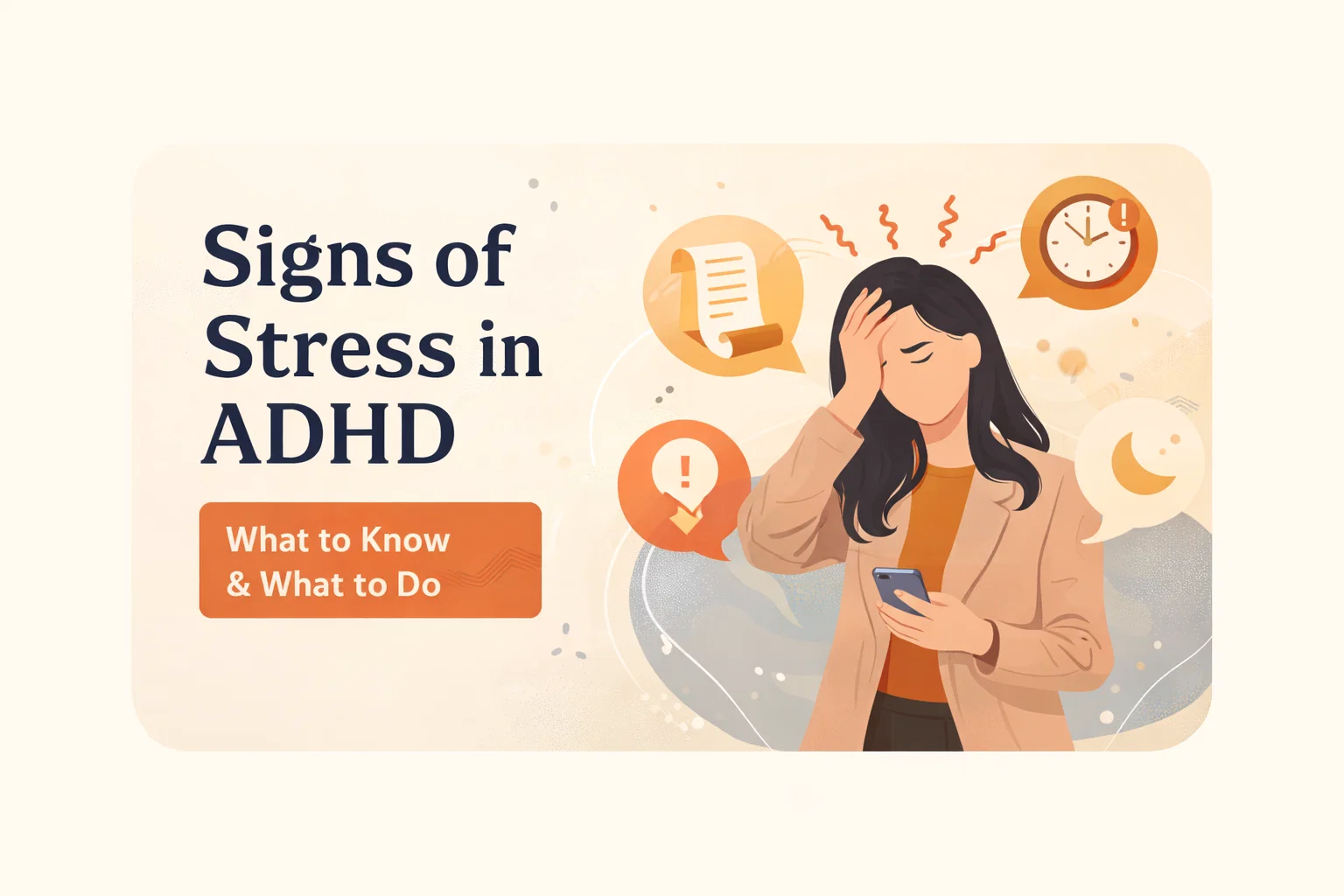
10 ADHD Stress Signs You Shouldnt Ignore Neurodivergent Mental Health Burnout Tips
Understanding the intersection of neurodiversity and mental health is more than just a trending topic; it is a vital necessity for millions of people navigating the world with ADHD. While stress is a universal human experience, the way it manifests in an ADHD brain is uniquely complex. When the nervous system is already wired for high stimulation and constant input, additional stress can feel like a complete system overload. Recognizing the early warning signs is the first step in moving from a state of constant survival into a life of sustainable balance.
The visual cues of ADHD stress often go unnoticed because they mimic personality traits or simple busy habits. However, when you look closer, these behaviors are actually SOS signals from a brain that is struggling to regulate. From the frantic need to check notifications to the paradoxical inability to relax when given the chance, these symptoms create a cycle that can lead to profound burnout if left unaddressed. Let us dive deep into the mechanics of ADHD stress and how you can reclaim your peace.
The Hidden Mechanics of the ADHD Stress Response
To understand why stress feels so intense for those with ADHD, we have to look at executive function. Executive functions are the brain’s management system, responsible for things like working memory, emotional regulation, and task switching. In a neurotypical brain, stress might temporarily dampen these abilities. In an ADHD brain, where these functions are already performing a delicate balancing act, stress can cause the entire tower to tumble.
When an ADHD individual enters a high stress state, the prefrontal cortex essentially goes offline. This triggers an increase in impulsivity and a decrease in the ability to prioritize. This is why a simple to-do list suddenly feels like an insurmountable mountain. The brain loses its ability to distinguish between a minor task, like answering a casual text, and a major deadline. Everything begins to carry the same weight of urgency, leading to a state of constant, low grade panic.
The Urgency Trap and Priority Confusion
One of the most prominent signs of ADHD stress is the feeling that everything is urgent and important. In clinical terms, this is often related to a struggle with the Eisenhower Matrix, where the brain cannot categorize tasks into quadrants. Instead, every incoming stimulus is treated as an emergency. This creates a state of hyper-vigilance where you are constantly scanning for the next fire to put out, leaving no room for long term planning or meaningful rest.
This urgency trap often leads to a “pinball effect.” You start one task, get interrupted by a notification, jump to that new task, and eventually end the day with ten half finished projects and a crushing sense of failure. This cycle reinforces the stress, as the pile of unfinished work grows, creating even more perceived urgency the following day.
Sleep Revenge and the Nocturnal ADHD Brain
Sleep revenge, or bedtime procastination, is a fascinating and frustrating phenomenon common in the ADHD community. When your day feels out of control or over-scheduled, the late night hours are often the only time you feel a sense of true agency. It is the only part of the day where no one is asking anything of you, and the world is finally quiet.
However, this lead to a dangerous trade-off. By staying up late to scroll, watch videos, or engage in hobbies, you are stealing time from your future self. For a brain that already struggles with dopamine regulation, the instant gratification of digital entertainment at 2:00 AM is hard to resist. Unfortunately, sleep deprivation is a massive stressor that further impairs executive function, making the next day’s ADHD symptoms even more severe. Breaking this cycle requires recognizing that rest is not something you earn; it is a fundamental requirement for your brain to function.
The Role of Doom Scrolling in Stress Management
Why do we “doom scroll” when we are stressed? For many with ADHD, the rapid fire input of social media provides a consistent stream of low level dopamine. When the real world feels too loud or too demanding, the digital world offers a numbing escape. It is a form of self medication that, while effective in the very short term, ultimately leaves the brain more wired and less capable of handling real life stressors. Recognizing an increase in screen time as a symptom of stress rather than a lack of willpower is a crucial shift in perspective.
When Relaxation Becomes Uncomfortable
Perhaps the most paradoxical sign of ADHD stress is when relaxation feels physically or mentally uncomfortable. For a stressed neurodivergent person, sitting still can feel like “itching under the skin.” The brain is so used to the high cortisol levels of a high pressure environment that the absence of stimulation feels like a threat.
This is often referred to as “the hum.” It is a constant internal vibration that tells you that you should be doing something, even when there is nothing to do. If you find yourself unable to enjoy a movie or a book because you are preoccupied with your productivity levels, you are likely in a state of chronic stress. Learning to tolerate boredom and stillness is a skill that must be practiced, often starting with just a few minutes of “low stimulation” time each day.
Productivity Shame and the Denial of Self Care
When stress levels rise, self care is usually the first thing to go. There is a persistent internal monologue that says, I do not deserve a break because I haven’t finished my work. This productivity shame creates a barrier to the very activities that would lower stress levels. You might find yourself skipping meals, ignoring the need for a shower, or cancelling plans with friends because you feel you must punish yourself into being productive. This approach is counterproductive, as a depleted body cannot sustain a focused mind.
Social Sensitivity and Communication Overload
Stress significantly lowers our emotional bandwidth, making us more susceptible to Rejection Sensitive Dysphoria (RSD). RSD is an intense emotional pain related to the perception of being rejected or criticized. When an ADHD person is stressed, a short email from a boss or a delayed text from a friend can feel like a devastating personal attack. The brain loses its ability to look at social interactions objectively, leading to social withdrawal or defensive outbursts.
Another sign to watch for is the constant checking of emails and texts. This is a form of hyper-vigilance. You are checking for potential “threats” or new tasks that might add to your burden. It is an attempt to stay ahead of the chaos, but it actually keeps the nervous system in a state of high alert, preventing any true mental recovery.
The Impact of Increased Forgetfulness
While forgetfulness is a core trait of ADHD, an unusual spike in memory lapses is a major red flag for stress. This happens because the “working memory” capacity of the brain is being occupied by stress thoughts and anxieties. When your mental RAM is full of worry, there is no room left to remember where you put your keys or what time your meeting starts. If you find yourself losing things more often than usual, it is a sign that your brain is at its absolute limit.
Strategies for Regulating the ADHD Nervous System
Knowing the signs is important, but how do we actually lower the baseline of stress? For the ADHD brain, traditional advice like “just buy a planner” rarely works. Instead, we must focus on nervous system regulation and environment design. We need strategies that work with the way our brains are built, not against them.
- The Brain Dump: When everything feels urgent, get it out of your head and onto paper. Do not worry about organizing it yet. Just clear the mental space.
- Sensory Diets: Identify sensory triggers that add to your stress. Use noise cancelling headphones, dim the lights, or use weighted blankets to help ground your body.
- Body Doubling: If you are struggling to start a task, find someone to sit with you, even virtually. The presence of another person can help anchor your focus.
- Micro-Rest: Do not wait for a full day off. Take five minute breaks where you step away from all screens and just breathe or stretch.
Creating a Low Friction Environment
One of the best ways to combat ADHD stress is to reduce the number of decisions you have to make daily. Decision fatigue is a real contributor to stress. Simplify your wardrobe, meal prep easy snacks, and set up automated systems for your bills and appointments. The fewer small choices you have to make, the more energy you have for the big things. Automation is the neurodivergent person’s best friend when it comes to maintaining a peaceful home and workspace.
Conclusion: Moving Toward Sustainable Living
Living with ADHD in a fast paced world is a challenge, but it does not have to be a constant struggle with burnout. By recognizing the specific ways stress shows up in your life, whether it is through increased forgetfulness, sleep revenge, or the nagging feeling that relaxation is a waste of time, you can begin to intervene earlier. You have the power to redefine what productivity looks like for you and to prioritize your well being above the demands of an ever growing to do list.
Remember that your value is not tied to how much you accomplish in a day. You deserve rest simply because you are a human being. By implementing small, consistent changes and showing yourself compassion during high stress periods, you can build a life that supports your unique brain. Take a deep breath, put down the phone for a few minutes, and allow yourself the grace to just be. Your nervous system will thank you for it.
Would you like me to generate a specific 7-day “Stress Reset” checklist or a set of Python automation ideas to help simplify some of these daily tasks?