Signs You Should Let Go of a Relationship Emotional Health Self-Care Checklist
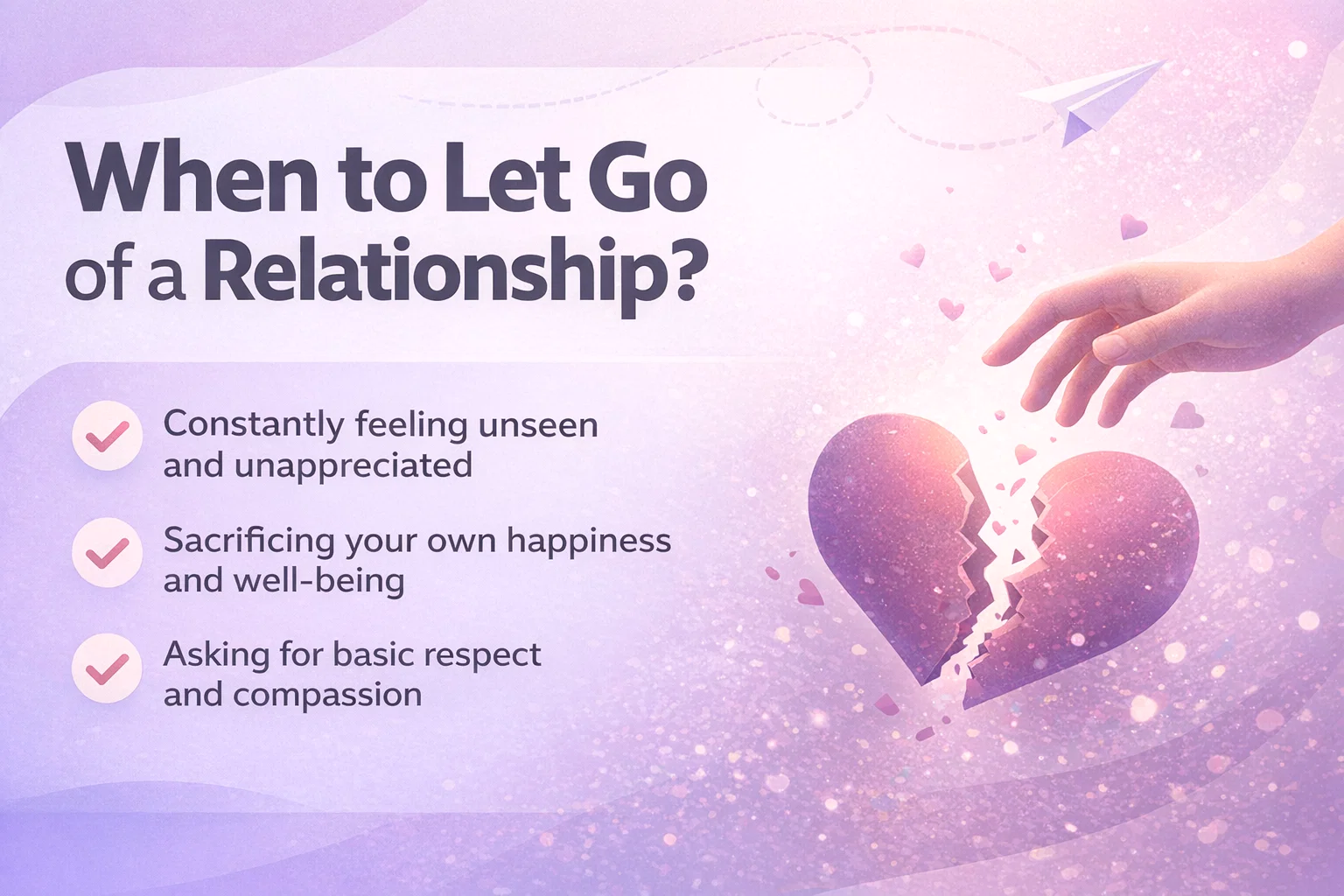
Deciding to walk away from a relationship is rarely a sudden realization. Instead, it is often a quiet, heavy accumulation of moments where you realize you are no longer yourself. The image shared today touches on a profound truth that many of us struggle to accept: sacrifice should not be the foundation of love. When a partnership requires you to shrink, silence your needs, or beg for basic human decency, it has moved from a place of support to a place of survival. Understanding these red flags is the first step toward reclaiming your peace and rediscovering your worth.
The True Cost of Constant Sacrifice
In any healthy relationship, compromise is a natural part of the rhythm. We adjust our schedules, we support our partners through tough times, and we find middle ground on where to live or how to spend our weekends. However, there is a massive difference between compromise and soul-crushing sacrifice. When you begin to give more than you actually have, you start operating from a place of emotional bankruptcy. This leads to burnout, resentment, and a loss of identity.
If you feel like you are constantly pouring into a cup that has a hole in the bottom, you are sacrificing your own stability. Love should feel like a partnership where the load is shared. When the scales tip so far that you are the only one holding the relationship together, you aren’t just tired; you are being depleted. Recognizing this imbalance is crucial because it often indicates that the other person has become comfortable with your discomfort.
Recognizing the Feeling of Rejection and Loneliness
One of the most painful paradoxes in life is feeling lonely while sitting right next to the person who is supposed to love you the most. The image highlights a vital sign: spending more time feeling rejected and misunderstood than seen and heard. This emotional isolation is often more damaging than being physically alone because it carries the weight of constant disappointment.
Healthy relationships provide a “safe harbor” effect. When the world is chaotic, your partner should be the person who makes you feel understood. If, instead, your partner is the source of your chaos, the foundation has crumbled. Feeling unheard usually starts small, with ignored comments or dismissed feelings, but it can grow into a systemic pattern where your internal world is completely ignored by the person closest to you.
When Silence Becomes the Only Path to Peace
A major red flag mentioned in the visual is the idea of being quiet about your needs to keep the relationship happy. This is often referred to as walking on eggshells. If the only way to avoid a fight or a cold shoulder is to suppress your own desires, you are not in a partnership; you are in a hostage situation for your emotions. True intimacy requires honesty, and honesty requires the freedom to speak your mind without fear of retaliation or withdrawal of affection.
When you stop speaking up, you start disappearing. You might think you are being the “easy” partner or the “supportive” spouse, but in reality, you are training the other person to love a version of you that doesn’t actually exist. A relationship that can only survive in the absence of your voice is not a relationship worth saving.
The Minimum Standard: Respect and Compassion
It is heartbreaking to realize that you have started asking for things that should be given freely. Basic human respect and compassion are the bare minimum requirements for any social interaction, let alone a romantic or close personal bond. If you find yourself explaining why your feelings matter or begging for a shred of empathy during a crisis, the dynamic has become toxic.
Respect is not a reward for good behavior; it is a prerequisite for entry. Compassion is the glue that holds two people together during life’s inevitable storms. When these elements are missing, the relationship becomes a battleground where you are constantly defending your right to exist and be treated well. You should never have to convince someone to be kind to you.
The Psychological Impact of Staying Too Long
Staying in a relationship that has passed its expiration date takes a massive toll on your mental and physical health. Chronic stress from relationship instability can lead to anxiety, depression, and even physical ailments like headaches or digestive issues. Your body often knows the relationship is over long before your mind is willing to admit it. That knot in your stomach when you hear their car pull into the driveway is a signal that your nervous system is on high alert.
Breaking the Cycle of Hope
Many people stay because they are in love with the potential of the person, rather than the reality of the person. You remember how things were at the beginning, or you imagine how great things could be if they would just change this one habit. This is called “intermittent reinforcement,” a psychological phenomenon where occasional good moments keep you hooked through long periods of neglect. To heal, you must look at the relationship as it is today, not as it was two years ago or how it might be in a perfect world.
Steps Toward Letting Go and Healing
Letting go is not an event; it is a process. It starts with the radical acceptance that you deserve better than what you are currently receiving. Once you stop making excuses for the other person’s behavior, the path forward becomes much clearer, even if it remains difficult to walk. Here are some ways to begin that transition:
- Reconnect with yourself: Start doing things that make you feel like you again, independent of your partner.
- Set firm boundaries: Communicate your needs clearly one last time. If they are met with the same dismissal, you have your answer.
- Build a support system: Reach out to friends, family, or a therapist who can provide the perspective you might be missing.
- Audit your energy: Keep a journal of how you feel after interactions. Seeing the patterns in black and white can be a powerful wake-up call.
The Beauty of the Aftermath
While the prospect of being alone can be terrifying, there is a unique kind of peace that comes after the initial storm of a breakup. You will find that the energy you were spending on managing someone else’s moods or trying to win their approval is now yours to keep. You can use that energy to rebuild your life, pursue your passions, and eventually open your heart to someone who doesn’t make you beg for the basics.
Conclusion: Choosing Your Future Self
Choosing to let go is an act of profound bravery. It is a declaration that your future is worth more than a painful present. The signs outlined in the image serve as a compass for those lost in the fog of a failing connection. If you are sacrificing your essence, feeling perpetually alone, and silencing your soul just to keep someone else around, please remember that you are allowed to leave. You are allowed to seek a love that sees you, hears you, and cares for you without you having to ask. Your peace is your priority, and walking away from what hurts is the first step toward finding what heals.
Would you like me to expand on any specific part of this analysis or perhaps generate a list of self-care resources for those going through a difficult transition?