Narcissism Awareness Quote Identifying Playing the Victim Emotional Abuse Signs
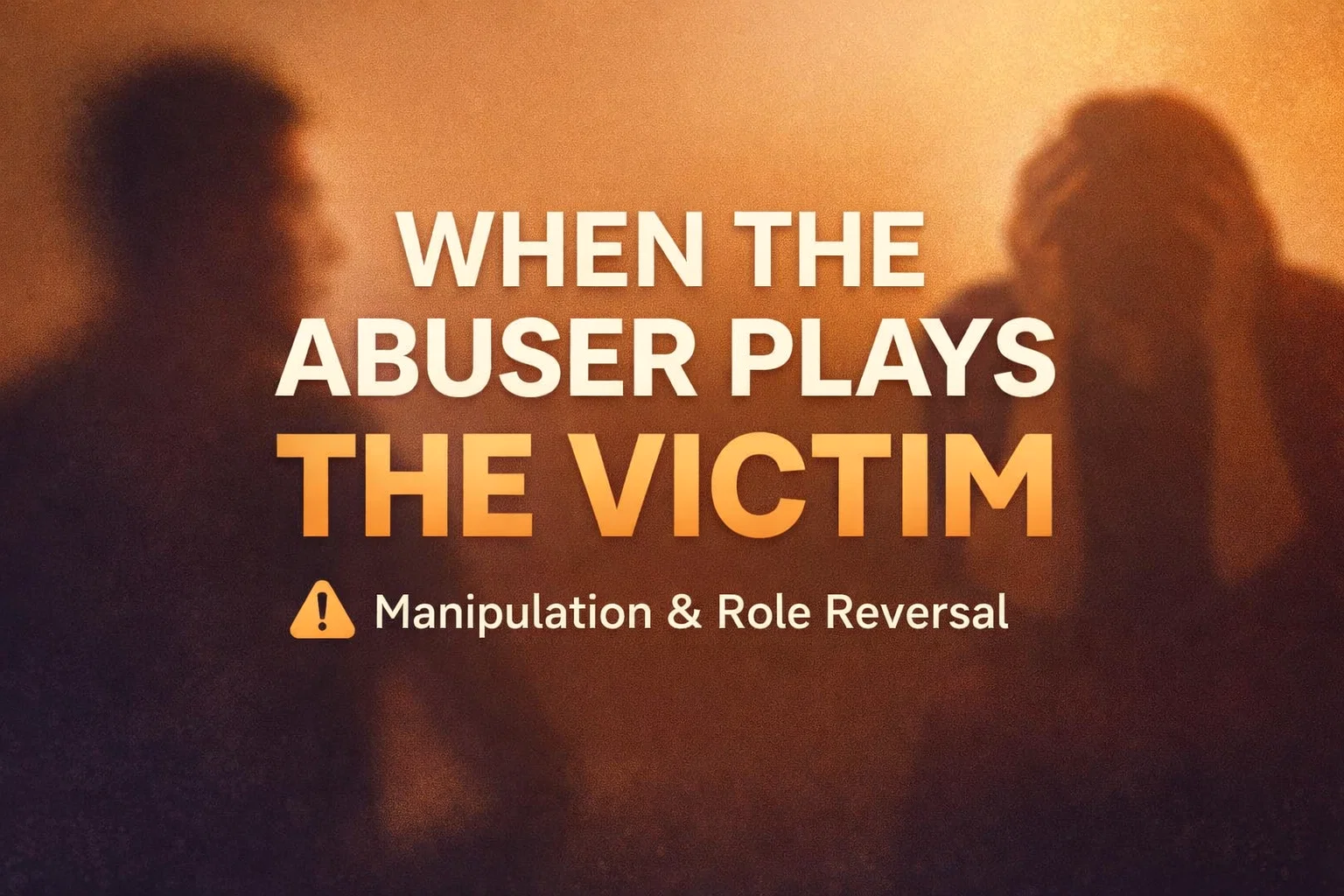
Understanding the intricate dynamics of human relationships often requires us to look beneath the surface of everyday interactions. The image provided carries a weight that many people feel but struggle to put into words: the phenomenon of the perpetrator claiming the role of the victim. This specific brand of manipulation, often associated with narcissistic or emotional abuse, creates a confusing reality for those involved. In this post, we will dive deep into the psychology behind why those who cause damage often play the victim the loudest, how to identify these patterns, and what you can do to protect your mental health and reclaim your truth.
The Paradox of the Aggressor as the Victim
It is a jarring experience when someone who has clearly caused emotional or psychological harm turns the tables and presents themselves as the one who has been wronged. This tactic is more than just a simple lie; it is a sophisticated defense mechanism designed to evade accountability. By adopting the persona of the victim, the person who caused the damage effectively shifts the focus away from their own actions and onto the perceived “unfairness” of being called out or held responsible.
This paradox works because society generally has a natural inclination to sympathize with those who appear to be in pain. When an aggressor uses tears, dramatic storytelling, or feigned outrage, they tap into the empathy of others. This often leaves the actual victim feeling isolated, silenced, and questioning their own memory of the events. Understanding that this is a documented behavior pattern is the first step toward breaking free from the confusion it creates.
Identifying the DARVO Tactic
In the world of psychology, there is a specific acronym used to describe this behavior: DARVO. This stands for Deny, Attack, and Reverse Victim and Offender. Recognizing this sequence can be a literal life-saver for your mental clarity. When someone is confronted with the damage they have caused, they typically follow these steps in rapid succession.
Denial of the Action
The first step is almost always a flat-out denial that the event ever happened or that the words were ever said. This is a form of gaslighting that aims to make the other person doubt their own reality. By denying the damage, the aggressor sets the stage for the next phase of the manipulation.
Attacking the Messenger
Once they have denied the behavior, they pivot to attacking the person who is trying to hold them accountable. They might bring up past mistakes, call the other person “too sensitive,” or attack their character. The goal here is to diminish the credibility of the person who was actually harmed.
Reversing the Roles
This is where the image’s message truly shines. The aggressor completes the cycle by claiming that they are the one being bullied, harassed, or mistreated because they are being asked to take responsibility. Suddenly, the person who caused the damage is the one “suffering” from the consequences of their own actions, and they play this part with incredible conviction.
Why Do They Play the Part So Well?
One of the most frustrating aspects of this behavior is how believable the performance can be. You might wonder how someone can cause so much pain and then genuinely act as though they are the wounded party. The answer lies in the psychological need for a positive self-image. Many individuals who engage in emotional abuse cannot handle the cognitive dissonance of seeing themselves as a “bad person.”
To protect their ego, they rewrite the narrative in their own minds until they truly believe they are the victim. Because they believe their own lie, their emotions appear genuine. Their tears feel real, their anger feels justified, and their hurt seems palpable. This makes it incredibly difficult for outside observers, and even the victims themselves, to see through the facade. They aren’t just lying to you; they are lying to themselves to survive their own shame.
The Emotional Impact on the True Victim
Living in the shadow of someone who plays the victim while causing damage is exhausting. It leads to a state of constant hyper-vigilance. You find yourself documenting conversations, second-guessing your feelings, and feeling a sense of “soul-crushing” loneliness. When the person who hurt you tells the world that you are the one hurting them, it creates a secondary trauma known as institutional or social betrayal.
This environment breeds self-doubt. You might start to wonder if you really are the problem. You might find yourself apologizing for things you didn’t do just to keep the peace. Over time, this erodes your self-esteem and makes you more susceptible to further manipulation. Breaking this cycle requires a radical shift in perspective and a commitment to your own reality above all else.
Strategies for Reclaiming Your Truth
If you find yourself in a situation where the person causing the damage is playing the victim, you must change your strategy. Engaging in a “battle of facts” rarely works because the other person is not operating on facts; they are operating on a need to protect their ego. Here are some ways to protect yourself.
- Disengage from the Drama: Stop trying to convince them of what they did. They likely already know, or their psyche won’t let them admit it. Save your energy for your own healing.
- Document Everything: If you are in a situation where your reputation or safety is at stake, keep a private journal of events. This isn’t for them; it is for you to look back on when you feel yourself slipping into self-doubt.
- Seek Outside Perspective: Talk to a therapist or a trusted friend who understands the dynamics of emotional abuse. Having a “sanity check” from someone outside the situation is vital.
- Set Hard Boundaries: Limit your exposure to the person. If they cannot take responsibility for the damage they cause, they do not have a right to your emotional space.
The Importance of Boundaries and “No Contact”
In many cases, the only way to stop the cycle is to remove yourself from the narrative entirely. When you stop playing your “assigned role” in their drama, the aggressor loses their audience. This is why many experts recommend “No Contact” or “Grey Rock” methods. By becoming as uninteresting and unresponsive as a grey rock, you give the manipulator nothing to use against you.
Setting boundaries isn’t about changing the other person’s behavior; it’s about deciding what you will no longer tolerate. It is an act of self-love. When you stop trying to defend yourself against false accusations and simply walk away, you reclaim your power. You are no longer providing the fuel for their victimhood narrative.
Moving Toward Healing and Recovery
Healing from this type of damage takes time. It involves unlearning the habit of over-explaining yourself and learning to trust your own perceptions again. It’s important to remember that you are not responsible for someone else’s inability to handle the truth. Their choice to play the victim is a reflection of their character, not your actions.
As you move forward, focus on surrounding yourself with people who value honesty, accountability, and empathy. True healing begins when you stop looking for closure from the person who hurt you and start finding it within yourself. You know what happened. You know the truth. That is enough.
Conclusion: Standing Firm in Your Reality
The message in the image serves as a powerful validation for anyone who has been painted as the villain in a story where they were actually the one being harmed. It is a reminder that you are not alone in this experience and that the behavior you are witnessing is a known tactic used by those who refuse to grow or take responsibility. While you cannot control the stories others tell about you, you have absolute control over the story you tell yourself.
Stay firm in your reality. Do not let someone else’s performance shake your foundation. By recognizing these patterns, setting firm boundaries, and prioritizing your mental health, you can move past the damage and build a life defined by peace, clarity, and authentic connection. Remember: the truth doesn’t need a loud performance to exist; it simply is. Trust yourself and keep moving toward the light.