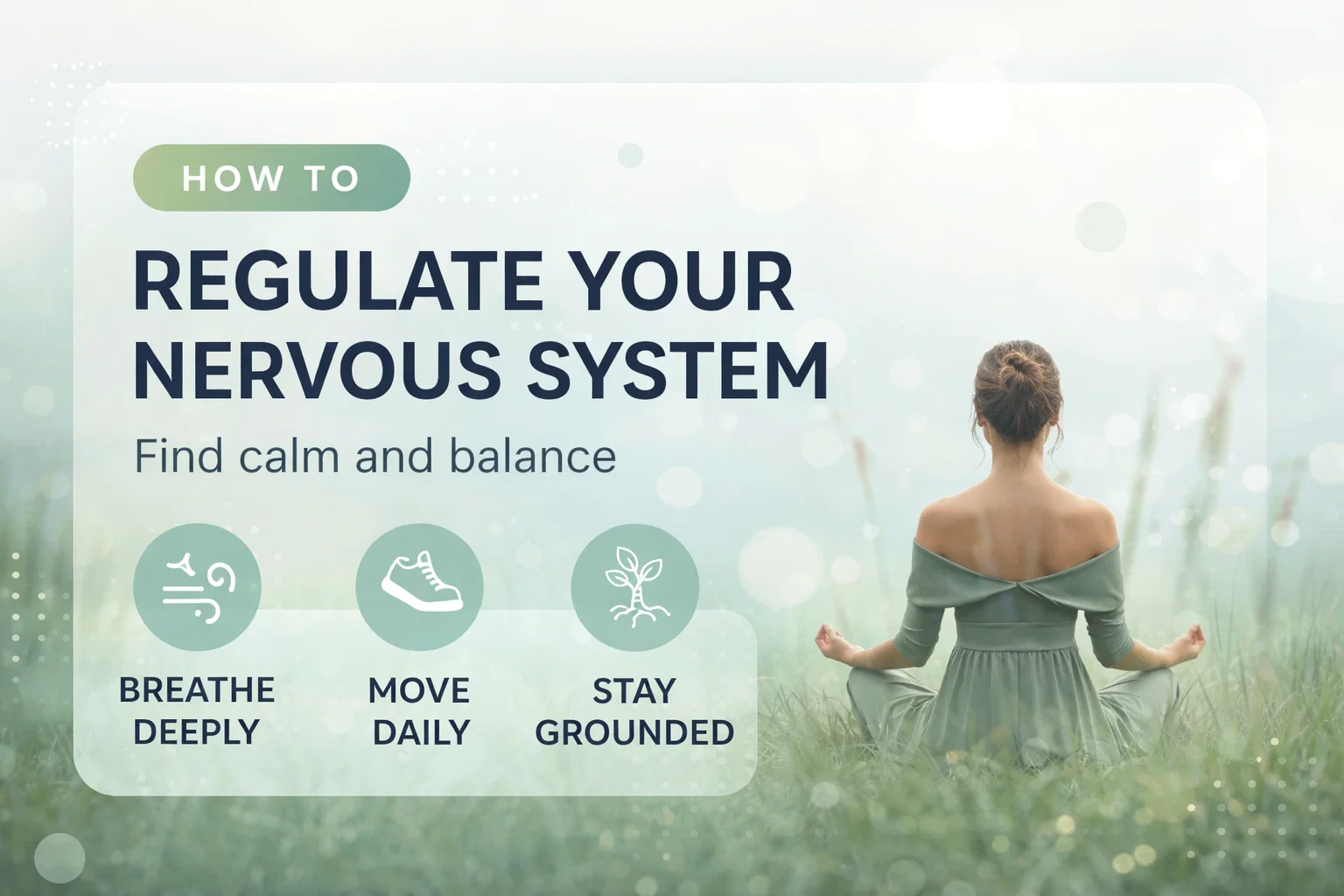
8 Simple Ways to Regulate Your Nervous System and Find Inner Calm
In our fast-paced modern world, it often feels like we are constantly operating in a state of high alert. Whether it is the ping of a new email, the overwhelming stream of social media updates, or the demands of a busy work schedule, our internal systems are frequently pushed to their limits. This chronic overstimulation can leave us feeling anxious, reactive, and physically drained. The good news is that you have more control over your internal state than you might realize. By learning how to regulate your nervous system, you can shift from feeling frazzled to feeling calm, magnetic, and unshakeable.
Understanding the Nervous System Response
To understand why you feel the way you do, it helps to view your nervous system as the command center for your entire experience of life. It regulates your energy, processes your emotions, and dictates your reactions to daily stressors. When you are in a state of regulation, you feel present and capable of handling life’s challenges with grace. However, when your system becomes dysregulated due to constant stress, your body often stays stuck in a survival mode.
This survival mode, often called the fight or flight response, is designed for immediate danger, not for everyday life in the office or at home. When this state becomes your default, you may notice symptoms like racing thoughts, muscle tension, or fatigue that sleep does not seem to fix. The process of nervous system regulation is essentially the art of sending consistent, intentional signals to your brain that you are safe, allowing your body to exit that high-alert state.
Immediate Techniques for Instant Calm
You do not need an hour of meditation or a retreat in the woods to begin the process of calming down. There are several powerful, evidence-based techniques you can implement in minutes to shift your physiology.
The Power of Intentional Breathwork
Your breath is the most accessible tool you have to influence your nervous system. By shifting your breathing pattern, you can manually override your stress response and stimulate the vagus nerve, which helps shift you into a parasympathetic state, also known as the rest and digest mode. A simple technique is the 4-2-6 count: inhale for four seconds, hold for two seconds, and exhale slowly for six seconds. Focusing on a long, slow exhale is key, as it signals to your brain that the immediate threat has passed.
Grounding Techniques to Anchor Your Presence
When you feel overwhelmed or “in your head,” grounding brings you back to the physical reality of the present moment. This can be as simple as placing both feet flat on the floor and pressing your hands against your thighs to feel the weight and temperature of your body. Another effective method is sensory visualization, where you imagine roots growing from your feet deep into the earth. This practice is not just a metaphor; it helps shift your focus from intrusive thoughts to your physical stability.
The Role of Lifestyle in Nervous System Health
While quick fixes are essential for immediate relief, long-term health comes from cultivating a lifestyle that supports a balanced nervous system. Think of this as maintaining your internal environment so it is less likely to spiral in the first place.
Movement as a Natural Stress Reliever
Your body is designed to move, and that movement is a primary way to process and release the adrenaline and cortisol that build up when you are stressed. You do not need to do intense, high-impact workouts to see benefits. Walking, gentle stretching, or even dancing in your living room can help reset your system. The goal is to move in a way that feels good to you and helps you reconnect with your body.
Managing Overstimulation
Modern life is filled with artificial stimuli that keep our nervous systems on edge. The constant noise of notifications and the blue light of our screens can keep our brain in a state of low-level distraction that prevents deep recovery. Setting boundaries is not just about time management, it is a form of nervous system hygiene. Schedule small blocks of quiet time throughout your day where you disconnect from digital devices to let your mind settle.
Incorporating Daily Restoration Practices
Rest is often misunderstood as doing nothing, but true, intentional rest is an active process of recharging. Whether you are using temperature therapy, journaling, or connecting with nature, these habits are essential to maintaining your emotional and physical capacity.
Temperature Therapy
Physiological stressors like temperature shifts can be surprisingly effective at resetting the body. A cold shower or splashing cold water on your face can trigger the mammalian dive reflex, which rapidly slows the heart rate. Conversely, a warm bath can soothe tight muscles and provide a sense of comfort. Both methods force the nervous system to adapt to a new input, breaking the cycle of internal stress.
Journaling and Nature Connection
Sometimes, the best way to regulate is to move internal energy outward. Journaling, or doing a five-minute “brain dump,” allows you to empty your mental clutter onto paper, which reduces the emotional weight you carry. Similarly, spending even a short amount of time in nature can have a profound impact. Being outdoors, feeling the sun, or looking at greenery reminds your biological self that you are part of a larger, natural system, which naturally lowers stress markers.
Conclusion
Regulating your nervous system is not a destination but a continuous practice of checking in with yourself and responding to your own needs with kindness. By incorporating these techniques—breathwork, movement, boundaries, and intentional rest—you are not just managing stress; you are building a foundation for a more grounded, magnetic, and vibrant life. Start small, pick one or two practices to integrate into your day, and observe how your capacity to handle life’s challenges begins to shift. Your nervous system is capable of change, and you have the tools to nurture it back to balance.