How to Build Self Respect and Discipline by Doing Hard Things Every Day
Building a life of character and integrity doesn’t happen during the easy seasons. It happens when things get heavy, complicated, and genuinely difficult. We often spend our energy trying to find the path of least resistance, yet the most fulfilling version of ourselves is usually found on the path that requires the most effort. Self-respect is a byproduct of keeping the promises you make to yourself, especially the ones that are hard to keep. When we choose to do hard things daily, we are not just completing tasks; we are reinforcing the belief that we are capable, resilient, and worthy of our own respect. This intentional approach to life transforms mundane struggles into powerful stepping stones for personal evolution.
The Connection Between Hardship and Self-Esteem
Most people associate self-esteem with positive affirmations or external validation. While those have their place, the most durable form of self-worth is built through action. When you intentionally step into a challenge, you are sending a signal to your brain that your comfort is less important than your growth. This is the foundation of self-discipline. By choosing a difficult path, you prove to yourself that you can handle the weight of life without folding. This internal proof is much more valuable than any compliment you could receive from someone else because it is rooted in lived experience.
Think about a time when you accomplished something you initially thought was impossible. That feeling of pride wasn’t just about the result; it was about the grit you showed during the process. Growth occurs in the resistance. Just as a muscle must be stressed to grow stronger, our spirit requires the friction of “hard things” to expand. When life gets complicated, it is an invitation to see what you are truly made of. Those heavy moments are the forge where a stronger identity is shaped.
Why 60 Minutes of Daily Movement Matters
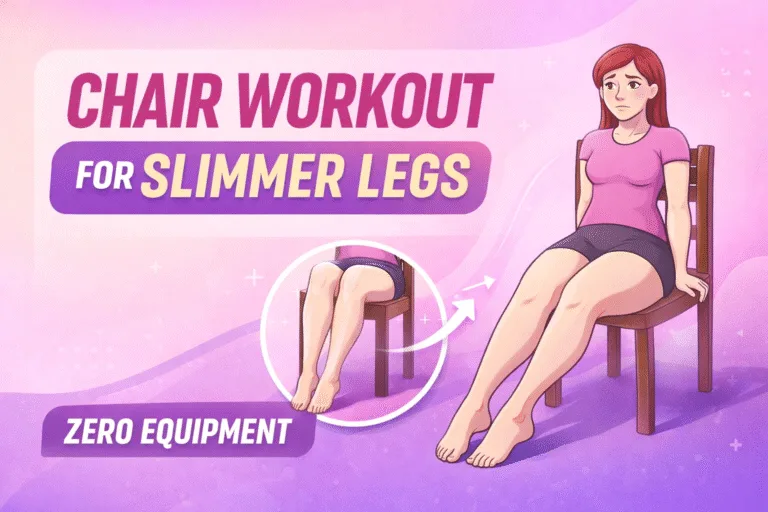
The image highlights a powerful example of a daily hard task: moving the body for 60 minutes. For many, this is a significant hurdle. Between work commitments, family life, and the general exhaustion of the modern world, carving out an hour for physical exertion can feel like a mountain. However, the difficulty is exactly why it is so effective for building self-respect. It is a physical manifestation of your commitment to your long-term well-being over your short-term desire for rest.
The Psychology of Intentional Discomfort
When you choose to exercise even when you are tired, you are practicing “intentional discomfort.” This practice builds a mental callus that protects you when life throws unexpected hardships your way. If you can handle a grueling workout, you are better equipped to handle a stressful meeting or a personal setback. You begin to see yourself as a person who does not run away from a challenge. This shift in identity is the ultimate goal of doing hard things. You move from being someone who “tries to work out” to being an athlete of life who prioritizes health regardless of the circumstances.
Physical Health as a Foundation for Mental Clarity
Beyond the character-building aspects, 60 minutes of movement provides the biological foundation for a better life. Exercise releases endorphins, reduces cortisol, and improves cognitive function. When your body is strong, your mind follows. It is much easier to maintain a positive outlook and make high-level decisions when you aren’t bogged down by physical lethargy. By tackling the “hard task” of movement early in the day, you set a standard for every other decision that follows.
Identifying Your Unique Hard Tasks
What is hard for one person might be easy for another. The beauty of this philosophy is that it is deeply personal. Your hard task doesn’t have to be a marathon. It could be something as simple as waking up an hour earlier to have a quiet moment of reflection, or as complex as starting a new business venture while working a full-time job. The key is that it must feel like a challenge to you.
- Digital Detox: Putting your phone away for three hours every evening to be present with your family.
- Consistent Learning: Committing to 30 minutes of studying a new language or skill every single day.
- Difficult Conversations: Choosing to address conflicts directly rather than letting them fester.
- Financial Discipline: Sticking to a strict budget and saying no to impulsive purchases.
- Creative Output: Writing, painting, or building something even when the inspiration isn’t flowing.
The specific task matters less than the intention behind it. If you find yourself avoiding a certain responsibility because it feels “too heavy,” that is exactly the task you should lean into. That resistance is a compass pointing toward your next area of growth.
Navigating the Heavy and Complicated Moments
Life has a way of becoming complicated without our permission. We face loss, professional failures, and personal crises that feel overwhelming. In these moments, the habits we have built through our daily “hard things” become our lifeline. If you have spent months practicing discipline when things were relatively stable, you will have the muscle memory to stay upright when the storm hits. Self-respect is the anchor that keeps you from drifting when life feels heavy.
The Power of Choice in Adversity
When you are in the middle of a difficult season, your decisions matter more than ever. You can choose to be a victim of your circumstances, or you can choose to be the architect of your recovery. Every small choice to keep moving forward, to stay organized, or to remain kind despite the pressure is a victory. These are the moments that define who you will become down the line. You aren’t just “getting through” the hardship; you are being refined by it.
Finding Meaning in the Struggle
We often ask “Why is this happening to me?” when things get tough. A more empowering question is “What is this trying to teach me?” By viewing complication as a teacher, you shift your perspective from resentment to curiosity. This doesn’t make the pain go away, but it gives the pain a purpose. When you see a challenge as an opportunity to build self-respect, the burden becomes a bit easier to carry.
The Long Term Rewards of a Disciplined Life
Choosing the hard path is a long-term play. In the short term, it is much easier to sit on the couch, eat processed food, and avoid difficult work. However, the “easy” path leads to a hard life full of regret, poor health, and a lack of self-trust. Conversely, the “hard” path leads to an easy life characterized by confidence, capability, and inner peace. By doing the hard things daily, you are investing in a future version of yourself that is grateful for your current discipline.
Building a Reputation with Yourself
You are the only person who is with you 24/7. You know when you have taken a shortcut and when you have truly given your best. Building a reputation with yourself as someone who follows through is the most important project you will ever work on. This internal reputation dictates your level of confidence in every room you enter. When you know you have done the hard work behind the scenes, you don’t need to perform for others; your presence speaks for itself.
Inspiring Others Through Action
While the journey of self-respect is internal, the effects are highly visible. People notice when someone carries themselves with the quiet confidence of a disciplined individual. Your commitment to doing hard things will inevitably inspire those around you. Whether it is your children, your colleagues, or your friends, your actions give them permission to pursue their own challenges. Leading by example is the most effective way to create a positive ripple effect in your community.
Creating Your Personal Challenge Roadmap
To start this journey, you don’t need to overhaul your entire life overnight. In fact, that is usually a recipe for burnout. Instead, identify one “hard thing” that you can commit to for the next 30 days. Make it something measurable and non-negotiable. If you choose movement, decide exactly when and where it will happen. If you choose a professional goal, break it down into daily increments that feel challenging but achievable.
Write down why this task matters to you. When the initial excitement wears off and the task starts to feel heavy, your “why” will be your fuel. Remember that you are doing this for the version of yourself that exists six months or a year from now. Every day you complete your hard task, you are placing a vote for the person you want to become. These votes add up over time, eventually creating a landslide of positive change.
Conclusion: The Art of Becoming
Self-respect is not a destination you reach; it is a state of being that you maintain through daily effort. The moments when life feels complicated and difficult are not obstacles to your growth; they are the growth. By intentionally choosing to do hard things daily, you reclaim your power and take control of your narrative. You stop being a passive observer of your life and start being an active participant in your own evolution.
Embrace the heavy. Lean into the struggle. Understand that every difficult decision you make is shaping a stronger, more resilient, and more honorable version of you. The choice is yours every single morning. Will you take the easy route, or will you do the hard thing? Choose the challenge, and watch as your entire world transforms to match your new level of self-respect.
Would you like me to help you brainstorm a specific 30-day “hard thing” challenge tailored to your current lifestyle goals?