Bone Health Nutrition Guide Essential Minerals for Strong Bones Osteoporosis Support
Maintaining strong, resilient bones is about so much more than just drinking a glass of milk. It is a lifelong journey that involves a sophisticated dance between the nutrients we consume, the way we move our bodies, and the environmental signals we receive every day. Understanding bone health from a functional nutrition perspective allows us to move beyond basic supplementation and look at the body as an interconnected system where digestion, hormones, and lifestyle all play a starring role.
Our bones are living, breathing tissues that are constantly being remodeled. This process is a delicate balance between osteoblasts, which are the cells responsible for building new bone, and osteoclasts, which handle the breaking down of old bone tissue. When this cycle is in harmony, we enjoy structural integrity and mobility. However, when the balance shifts due to age, inflammation, or nutrient deficiencies, we become more susceptible to fractures and conditions like osteoporosis. By focusing on whole-food sources and strategic lifestyle habits, we can provide our skeletal system with the raw materials it needs to thrive at any age.
The Foundation of Bone Remodeling
To truly support your skeleton, you have to understand that bone metabolism is a dynamic process. It is not a static structure like a wooden beam in a house; it is a metabolic reservoir for minerals. This remodeling process is heavily influenced by our internal environment. Hormones, particularly estrogen and vitamin D, act as the primary regulators of this cycle. This is why women over the age of 50 often face unique challenges, as shifting hormonal levels can lead to a decrease in bone density.
Inflammation is another critical factor that often goes overlooked in traditional bone health discussions. Chronic inflammation can overstimulate the osteoclasts, leading to excessive bone breakdown. Interestingly, for those with gluten intolerance, the resulting gut inflammation can be a hidden underlying cause of poor bone health. By addressing systemic inflammation and supporting the body with the right positive stressors, such as exercise, we can tip the scales back toward bone formation and strength.
Essential Nutrients for Skeletal Integrity
While calcium usually gets all the credit, it is just one piece of a much larger nutritional puzzle. A functional approach to bone health emphasizes a diverse array of vitamins and minerals that work synergistically to ensure minerals actually reach the bone matrix rather than depositing in soft tissues like the arteries.
The Role of Calcium and Protein
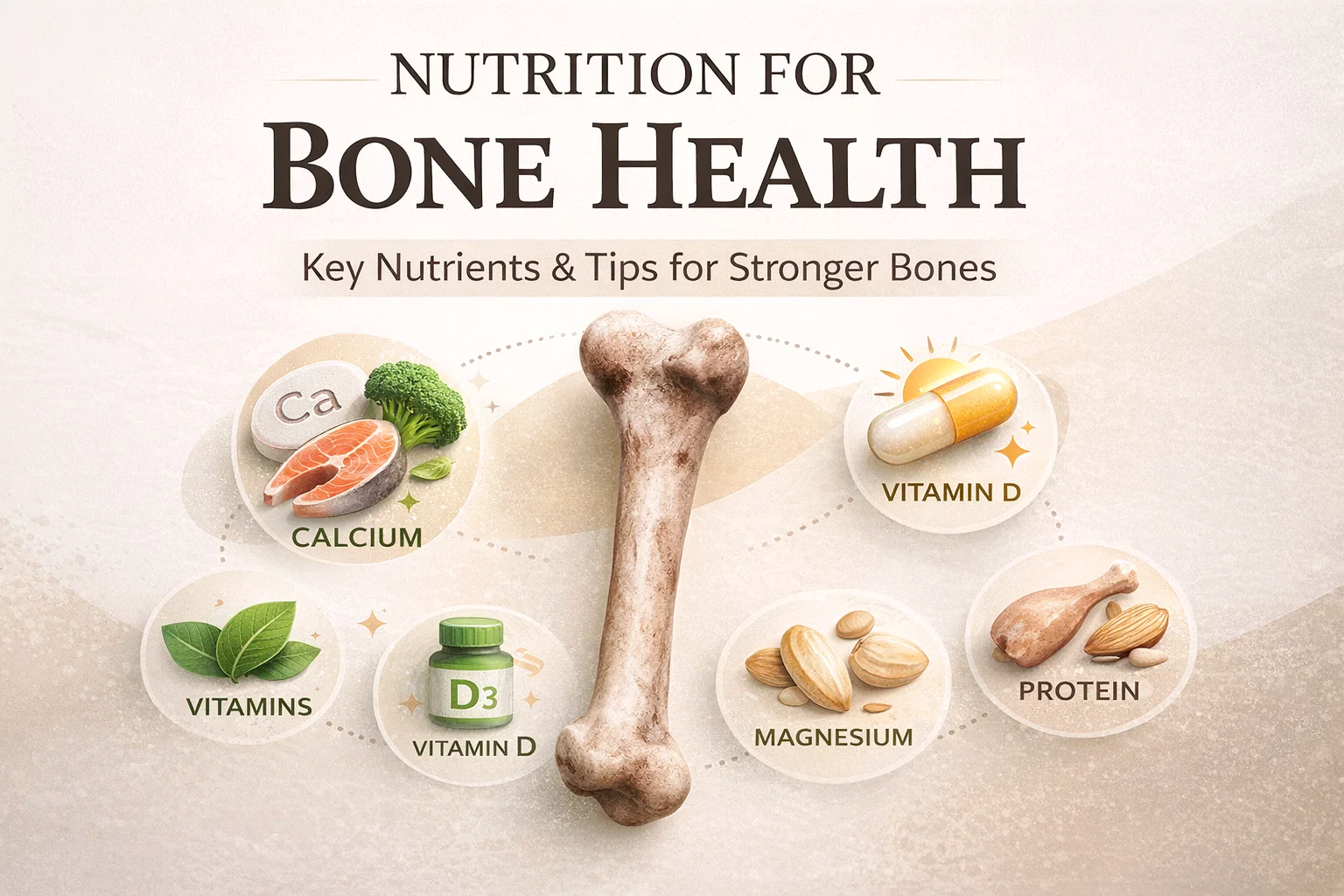
Calcium is the primary structural component of bone, but the source matters immensely. Fermented dairy options like kefir or high-quality yogurt provide calcium in a form that is easier for many people to digest. If you prefer non-dairy options, sardines with the bones included, tofu, and dark leafy greens are powerhouses of bioavailable calcium. Alongside calcium, protein provides the collagen scaffold that gives bones their flexibility. Including bone broth, collagen powder, and high-quality animal or plant proteins ensures that the “glue” holding your bones together remains strong.
The Power of Vitamin D and Vitamin K
Think of vitamin D as the gatekeeper that allows calcium to be absorbed from your gut into your bloodstream. Without adequate vitamin D, which we primarily get from safe sun exposure and foods like fatty fish or liver, the calcium you eat simply goes to waste. However, vitamin K is the “GPS” for that calcium. Specifically, vitamin K2 activates proteins that direct calcium into the bones and teeth, preventing it from building up in places it should not be. This duo is perhaps the most important nutritional partnership for long-term skeletal health.
Magnesium and Trace Minerals
Magnesium is essential for converting vitamin D into its active form and contributes to the physical structure of the bone itself. Modern diets are often deficient in this mineral, so focusing on nuts, seeds, and legumes is vital. Furthermore, trace minerals like boron, silicon, and manganese act as catalysts for bone formation. Prunes, raisins, and even whole grains are excellent sources of these often-forgotten nutrients that help harden the bone matrix.
Beyond the Plate: The Lifestyle Connection
You cannot eat your way out of a sedentary lifestyle when it comes to bone density. The body follows the principle of “use it or lose it.” When we put physical stress on our bones through movement, it signals the osteoblasts to get to work and build more density. This is a survival mechanism that keeps us strong enough to handle the demands of our environment.
The Importance of Weight-Bearing Exercise
Movement is a non-negotiable for bone strength. Weight-bearing exercises, such as walking, hiking, or weightlifting, create mechanical tension that stimulates bone growth. It also improves muscle strength and balance, which are the best defenses against falls. As we age, maintaining our balance becomes just as important as maintaining our density, as a fall is often the primary cause of bone-related injuries.
Gut Health and Nutrient Absorption
You are not just what you eat; you are what you absorb. A healthy gut microbiome is essential for bone health because it facilitates the absorption of minerals. Prebiotics and probiotics enhance the environment of the gut, making it easier for calcium and magnesium to pass into the system. If your digestion is compromised by food sensitivities or a lack of fiber, your bones may suffer the consequences regardless of how many supplements you take.
The Truth About Bone Supplements
In the world of health and wellness, there is a common misconception that a single pill can solve bone density issues. However, supplementation is a complex and often controversial topic. The body prefers to receive its nutrients in the complex packages found in whole foods. When we isolate nutrients into high-dose supplements, we risk creating imbalances elsewhere in the body.
Focusing on a diverse, whole-food diet should always be the first line of defense. Supplementation, specifically with vitamin D3 and K2, should be considered only if a deficiency is identified through testing and cannot be corrected through diet and sunlight alone. No supplement can provide the nutritional diversity and co-factors found in a balanced diet of whole grains, colorful vegetables, and high-quality proteins.
Natural Sources vs. Synthetic Options
Whenever possible, seek out nutrients in their most natural state. For example, getting your silicon from carrots and green beans or your boron from avocados and prunes provides your body with fiber and antioxidants that synthetic pills lack. These natural packages ensure that the minerals are absorbed slowly and effectively, mimicking the way our ancestors fueled their bodies for thousands of years.
Crafting a Bone-Building Routine
Creating a lifestyle that supports bone health does not have to be overwhelming. It is about making small, consistent choices that add up over time. Start by auditing your plate. Are you including a variety of leafy greens, healthy fats, and quality proteins? Can you swap a processed snack for a handful of mineral-rich nuts or a piece of fruit like a kiwi, which is high in vitamin K?
Next, look at your daily movement. Even ten minutes of weight-bearing activity can make a difference. Step outside into the sunlight for a few minutes each day to boost your vitamin D levels naturally. These habits do not just support your bones; they improve your overall vitality, mood, and energy levels. By treating your body with the respect and nourishment it deserves, you are investing in a future of mobility and independence.
Conclusion
Bone health is a beautiful reflection of our overall well-being. It is a sign that our hormones are in balance, our digestion is functioning well, and our lifestyle is active and engaged. While the aging process brings changes, it does not mean we are powerless. By focusing on a foundation of whole foods, prioritizing gut health, and embracing the power of movement, we can maintain strong bones throughout our lives.
Remember that your skeleton is a living system that responds to the care you give it. Avoid the trap of looking for a quick fix in a bottle and instead turn your attention to the abundance of minerals found in nature. From the silicon in a crunchy carrot to the vitamin D from a morning walk, every small action counts toward a stronger, healthier you. Start today by nourishing your frame and moving with purpose your bones will thank you for years to come.