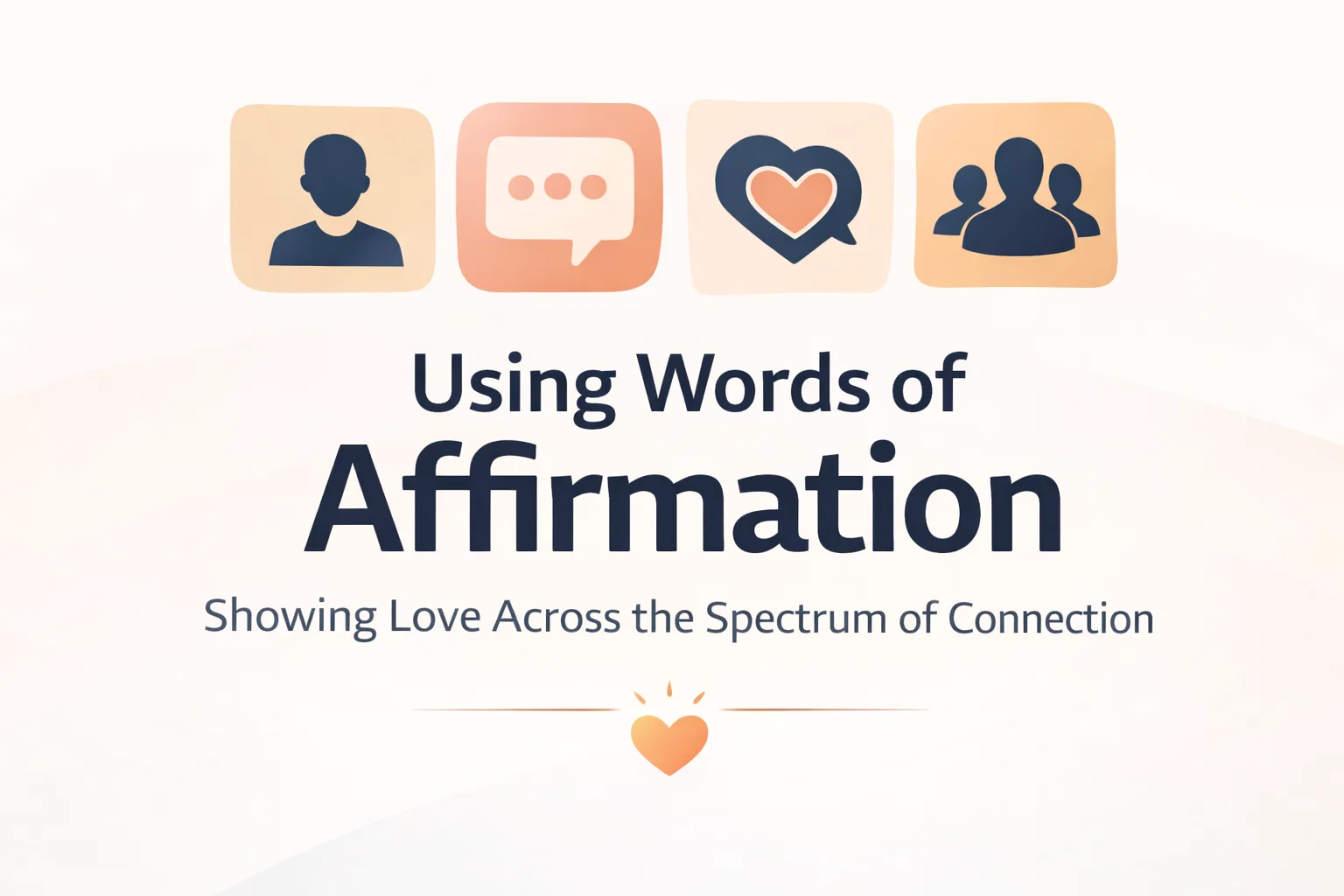
Words of Affirmation Guide Ideas for Self-Love, Friends, Partners Community
Words are more than just a means of communication. They are the building blocks of our reality, the foundation of our relationships, and the mirrors through which we see ourselves. If you have ever felt a surge of confidence after a well timed compliment or felt your heart swell when a friend noticed a small detail about your life, you have experienced the power of words of affirmation. Often categorized strictly as a romantic love language, this practice actually spans the entire spectrum of human connection. From the way we speak to ourselves in the mirror to the reviews we leave for local businesses, intentional verbal appreciation is a transformative tool that fosters belonging and emotional health.
Understanding the Spectrum of Affirmation
Most people associate affirmations with a partner saying I love you or I appreciate you. While those are vital, limiting affirmation to the domestic sphere misses a massive opportunity for growth. Affirmation is about validation. It is the act of seeing someone, acknowledging their effort, and reflecting their value back to them. When we apply this across our entire life, including our internal dialogue, our friendships, and our broader community, we create a feedback loop of positivity that sustains us through difficult times.
The image we are looking at today beautifully categorizes these interactions into four distinct pillars: Self, Friends, Partnership, and Community. By diversifying how we use our words, we ensure that no part of our social or emotional ecosystem is left neglected. Let us dive deep into each of these categories to explore how you can start implementing these practices today.
The Foundation: Words of Affirmation with Yourself
The most important conversation you will ever have is the one happening inside your own head. Unfortunately, for many of us, that inner narrator is a harsh critic. We tend to focus on our failures, our missed deadlines, and our perceived inadequacies. Practicing words of affirmation with yourself is not about being delusional or ignoring areas for growth; it is about providing a balanced, accurate, and kind perspective.
Rewriting the Internal Script
When you notice harsh self talk, the first step is to pause. Instead of letting a thought like I am so lazy spiral, try to rewrite it into language that is both kind and accurate. A better version might be, I am feeling very tired today because I have been working hard, and it is okay to need rest. This shift moves you from shame to self compassion. By naming what you actually did well at the end of a hard day, you train your brain to seek out wins rather than just cataloging losses.
Building an Evidence List
Confidence is often built on a foundation of evidence. Start keeping a running evidence list of your follow through. Did you go to the gym when you said you would? Did you finish that uncomfortable email? Write it down. When your brain tries to tell you that you cannot handle a challenge, you can point to your list and say, Actually, I have a history of showing up for myself. This creates a resilient sense of self respect that is not easily shaken by external criticism.
Cultivating Depth: Words of Affirmation with Friends
Friendships are often the most undervalued relationships in our society, yet they provide the essential scaffolding for our mental health. We often assume our friends know we love them, so we skip the verbal cues. However, explicit affirmation can turn a casual friendship into a lifelong bond. It moves the relationship from a place of convenience to a place of intentionality.
The Power of Specificity
A generic You are great is nice, but a specific affirmation is unforgettable. Try sending a text that names one specific quality you admire in a friend. Perhaps it is their ability to remain calm under pressure or their impeccable taste in music. After a hangout, follow up with a short message naming what you appreciated about their presence. Telling someone, I really loved how you listened when I was venting about work today, makes them feel seen and valued for the specific person they are.
Validating Creativity and Thought
Friends often share their ideas, dreams, and creations with us. This is an act of vulnerability. Affirming how they think or create—their unique perspective or their artistic taste—is a high form of praise. Acknowledge the ways they show up for you and others. When you tell a friend, I love the way your mind works, you are validating their core identity, which strengthens the trust between you.
Deepening Intimacy: Words of Affirmation in Partnership
In long term partnerships, it is easy to fall into a routine where we take our partner’s efforts for granted. We assume they know we are thankful for the dinner they cooked or the way they handled the laundry. But in the context of a romantic relationship, words of affirmation act as the glue that maintains emotional intimacy and prevents resentment from building up.
Naming the Impact
Instead of a simple Thank you, try naming the impact of your partner’s actions. For example, Thank you for taking the trash out without me asking; it really lowered my stress level this evening. By connecting their action to your emotional well being, you reinforce the value of their contribution. It makes the mundane tasks feel like acts of love rather than just chores.
Making Space and Noticing Growth
A healthy partnership involves constant evolution. Point out moments when your partner handled something well, especially if it is an area where they have been trying to grow. If you noticed they made space for your needs during a busy week, tell them. Additionally, make it a habit to ask about what mattered to them today. Showing interest in their internal world is a verbal affirmation of their importance in your life.
Building a Better World: Words of Affirmation in Community
We are social creatures designed to live in interconnected groups. However, modern life can often feel isolating. We interact with baristas, organizers, and business owners daily, but these interactions are often transactional. Words of affirmation in a community context turn these transactions into human connections, creating a ripple effect of kindness.
The Importance of Public Credit
When you notice someone doing something well in a public or professional setting, give them credit. This could be as simple as leaving a glowing review for a local business or messaging a volunteer organizer to let them know how much you appreciate their work. Publicly acknowledging someone’s effort not only boosts their morale but also encourages others to contribute positively to the community.
Gratitude for the Invisible Labor
So much of what makes a community thrive is invisible labor. The host who organizes the book club, the person who cleans up after a neighborhood event, or the teacher who stays late. Thanking these individuals acknowledges that their work is noticed and appreciated. It validates the time and energy they pour into making the world a better place for everyone.
The Science Behind Affirmation
Why does this work so effectively? From a psychological perspective, words of affirmation activate the reward centers in the brain. When we receive a sincere compliment, our brains release dopamine, the feel good neurotransmitter. This not only improves our mood but also reinforces the behavior that led to the praise. This is known as positive reinforcement.
Furthermore, consistent affirmation helps to rewire the brain’s neural pathways. If we are constantly told (or tell ourselves) that we are capable and valued, we begin to act in ways that align with that identity. This is particularly important for self affirmation, as it helps to combat the brain’s natural negativity bias—the tendency to focus on threats and failures rather than successes and safety.
Practical Tips for Starting Your Affirmation Journey
If giving or receiving verbal praise feels awkward at first, you are not alone. Like any skill, it takes practice. Here are a few ways to make it a natural part of your daily routine:
- The Morning Mirror Rule: Before you leave the bathroom in the morning, look yourself in the eye and name one trait you respect in yourself. It can be as simple as I am a person who keeps my promises.
- The Post Hangout Text: Make it a habit to send a quick text after seeing a friend. Mention one specific thing they said or did that you enjoyed.
- The Gratitude Alarm: Set a random alarm on your phone. When it goes off, think of one person in your life you appreciate and send them a quick note of thanks.
- Review as You Go: Every time you have a great experience at a local shop or restaurant, take 60 seconds to leave a positive review online.
Conclusion: The Lasting Impact of Kind Words
Words of affirmation are more than just nice things to say. they are a lifestyle choice that prioritizes connection over criticism and gratitude over entitlement. By intentionally practicing affirmation with yourself, your friends, your partner, and your community, you are not just making people feel better in the moment; you are building a more supportive and resilient world.
Remember that the goal is not perfection, but presence. You do not need to deliver a Shakespearean monologue to make someone’s day. A simple, honest, and specific acknowledgment of someone’s value is often the most powerful thing you can offer. Start today by naming one thing you did well, and then reach out to someone else and tell them why you are glad they are in your life. You might be surprised at how quickly the world starts to look a little brighter when you view it through a lens of appreciation.
Building a habit of affirmation is a journey that pays dividends for years to come. Whether you are healing your relationship with yourself or strengthening the bonds of your community, your words are the most powerful tool you have. Use them wisely, use them often, and use them to build people up. The impact will be far greater than you can imagine.