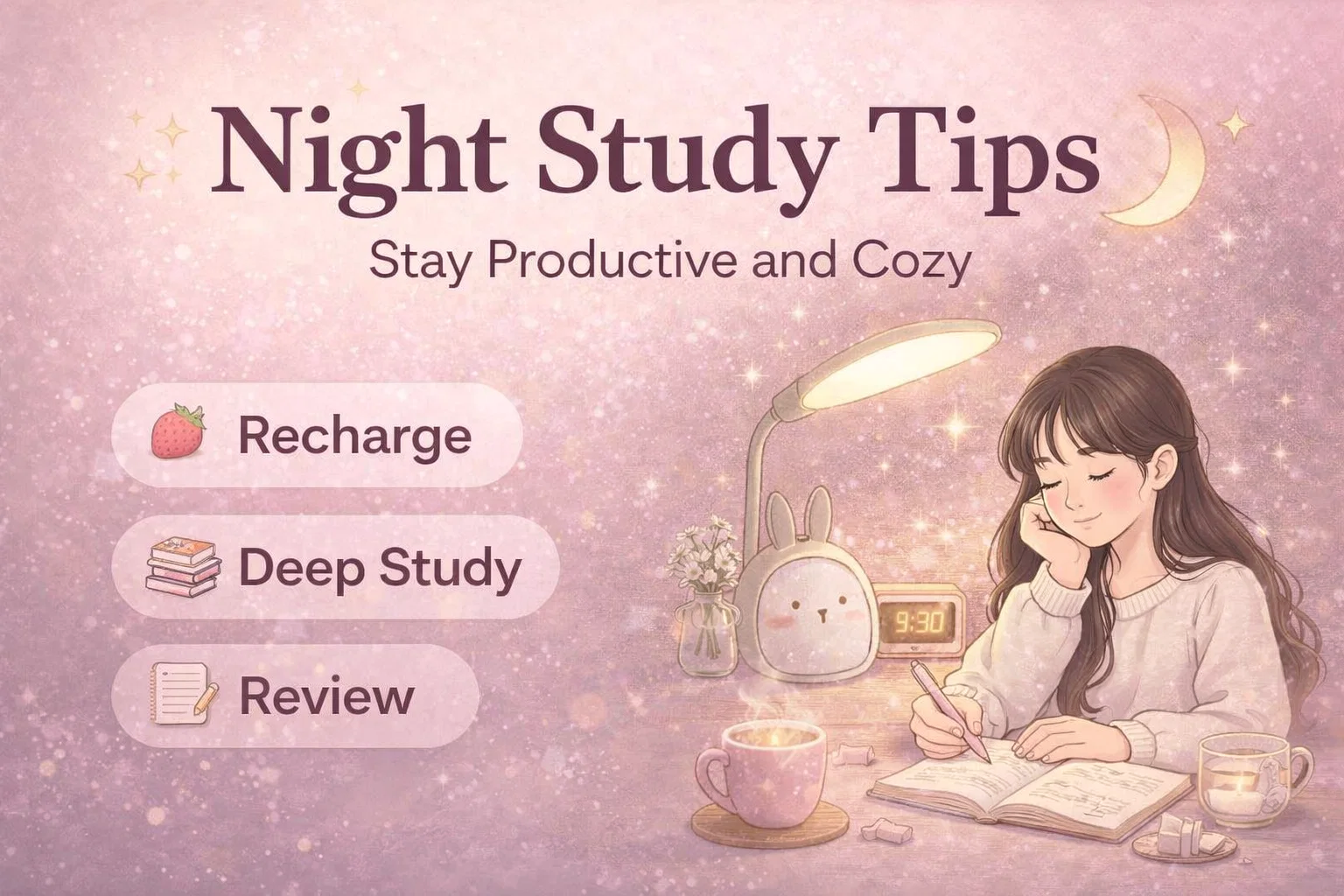
Cozy Night Study Routine Aesthetic Study Schedule Productivity Tips for Students
Creating a productive study environment is about more than just opening a textbook and staring at pages until your eyes grow weary. For many students and lifelong learners, the nighttime hours offer a unique sense of solitude and focus that is hard to find during the chaotic daylight hours. However, without a structured plan, a late night study session can quickly devolve into aimless scrolling or burnout. The key to a successful evening lies in balancing high intensity cognitive work with intentional moments of relaxation. By following a curated night study schedule, you can transform your evening from a stressful chore into a cozy, rewarding ritual that helps you reach your academic goals while protecting your mental well being.
The Philosophy of a Cozy Night Study Routine
The concept of a cozy study session, often referred to as studygram or studyblr aesthetics, is not just about pretty stationery and warm lighting. It is rooted in environmental psychology. When we create a space that feels safe, warm, and inviting, our cortisol levels drop. Lower stress levels allow the brain to process complex information more effectively. Instead of fighting against your environment, you are working in harmony with it. A well planned schedule ensures that you transition smoothly from the busyness of the day into a state of deep work, followed by a necessary wind down period that prepares your body for restorative sleep.
Phase One: The Recharge and Setup (7:00 PM to 8:00 PM)
The first hour of your evening is the foundation upon which the rest of your productivity is built. Think of this as the warm up for your brain. Jumping straight into difficult calculus or dense literature after a long day of classes or work is a recipe for instant fatigue. Instead, use this time to set the stage and signal to your brain that it is time to shift gears.
Curating Your Environment
Start by clearing your physical workspace. A cluttered desk often leads to a cluttered mind. Once your surface is clear, introduce elements that soothe the senses. Lighting a candle or turning on a warm desk lamp creates a visual boundary between the rest of the house and your study zone. Soft, lofi beats or classical music can provide a consistent auditory backdrop that drowns out distracting household noises without demanding your active attention. This is also the perfect time to prepare a cozy drink like herbal tea or warm lemon water to keep you hydrated and comfortable.
The Power of the To-Do List
Before you touch a single book, write down exactly what you intend to accomplish. Be specific. Instead of writing study biology, try writing complete diagrams for chapter four and review flashcards for cellular respiration. Breaking large goals into micro tasks makes the workload feel manageable and provides a satisfying sense of progress as you check items off the list. This mental download prevents intrusive thoughts about other tasks from interrupting your focus later on.
Phase Two: Deep Study and High Intensity Learning (8:00 PM to 9:30 PM)
This is the core of your night. Between 8:00 PM and 9:30 PM, your brain is often in a sweet spot of evening alertness before the natural melatonin surge begins. This is the time to tackle your most challenging subjects. Whether it is solving complex equations, drafting an essay, or memorizing new vocabulary, this ninety minute block is reserved for cognitive heavy lifting.
Implementing the Pomodoro Technique
One of the most effective ways to maintain high levels of concentration is the Pomodoro Technique. By breaking your study time into intervals, usually 25 minutes of intense work followed by a 5 minute break, you prevent mental exhaustion. During those 25 minutes, commit to zero distractions. Put your phone in another room or use a focus app to block social media. When the timer rings, stand up, stretch, and step away from your screen. These short bursts of rest allow your brain to consolidate the information you just learned before you dive into the next interval.
Using Visual Motivation
Many learners find that using aesthetic or pastel stationery can actually increase motivation. While it might seem superficial, there is a psychological benefit to using tools that you enjoy. Highlighting with soft colors, using high quality pens, and organizing notes in a visually pleasing way can make the process of studying feel like a creative outlet rather than a repetitive task. When you take pride in the appearance of your notes, you are more likely to engage with the material and review it later.
Phase Three: Review and Consolidation (9:30 PM to 10:00 PM)
As you approach the end of your intensive work, it is important to transition into a review phase. This thirty minute window is not for learning new concepts but for reinforcing what you have just covered. Memory is built through repetition and reflection. By reviewing your work before you finish for the night, you are telling your brain which pieces of information are important enough to keep during the sleep cycle.
Active Review Strategies
Instead of just reading over your notes, try active recall. Close your notebook and try to summarize the main points of your study session out loud. Use gentle highlighting to emphasize the most critical keywords or formulas you encountered. This is also the time to look ahead. Briefly plan your goals for the next day so that when you wake up, you already have a roadmap ready. Keep your music low and calm during this phase to help your nervous system begin the journey toward relaxation.
Phase Four: The Wind Down Ritual (10:00 PM to 10:30 PM)
The final half hour of your night study schedule is arguably the most important for your long term health and academic success. Studying right up until the moment your head hits the pillow is a common mistake that leads to poor sleep quality and brain fog the following morning. You need a dedicated buffer zone to disconnect from the digital world and the pressures of productivity.
Digital Detox and Mental Clearing
Put away your laptop and tablet. The blue light emitted by screens can interfere with your sleep hormones. Use this time for analog activities. Jot down your accomplishments for the day in a journal. Even if you did not finish everything on your list, acknowledging what you did achieve builds confidence and reduces anxiety. Reading a few pages of a fiction book or a hobbyist magazine can help shift your brain away from academic stress and into a state of leisure.
Preparing for Rest
Incorporate a warm ritual like drinking a cup of chamomile tea or hot cocoa. The warmth has a natural sedative effect. Simple stretching or a quick skincare routine can also serve as physical cues to your body that the day is officially over. By going to bed early and ending your night on a positive, relaxed note, you ensure that you wake up refreshed and ready for a fresh start the next day.
Why This Routine Works for Students
Consistency is the secret ingredient to academic excellence. When you follow a structured night study schedule, you remove the decision fatigue that often leads to procrastination. You no longer have to wonder when you will start or what you will do. The routine becomes automatic. Furthermore, this specific balance of deep work and self care prevents the burnout that many students face during midterms and finals. It treats the student as a whole person, recognizing that productivity is only sustainable when it is paired with rest.
Conclusion: Finding Your Personal Flow
While this night study schedule provides a fantastic blueprint, the most successful students are those who learn to listen to their own rhythms. Some may find they need longer deep work blocks, while others might prefer a longer wind down period. The goal is to create a sustainable habit that makes you feel empowered rather than depleted. By prioritizing a cozy environment, using smart techniques like Pomodoro, and respecting your need for sleep, you can turn your evening study sessions into a powerful tool for success. Start tonight by lighting a candle, making a simple list, and giving yourself the gift of a productive, peaceful evening.