Cute Frog to Strawberry Evolution Art Print – Aesthetic Froggy Fruit Illustration Poster
There is something inherently magical about the intersection of nature and imagination. When we look at a simple green frog and a ripe red strawberry, most of us see two completely different kingdoms of life. However, for the modern digital artist, these two subjects represent a playground of color, shape, and whimsical transition. The concept of a frog evolving into a fruit, often referred to in internet subcultures as Froot, captures a specific brand of joy that is taking the interior design and digital art worlds by storm. This playful metamorphosis is more than just a clever pun; it is a celebration of the “kawaii” aesthetic and the cottagecore movement that prizes softness, nature, and a touch of the surreal.
The Rise of the Froggy Fruit Aesthetic
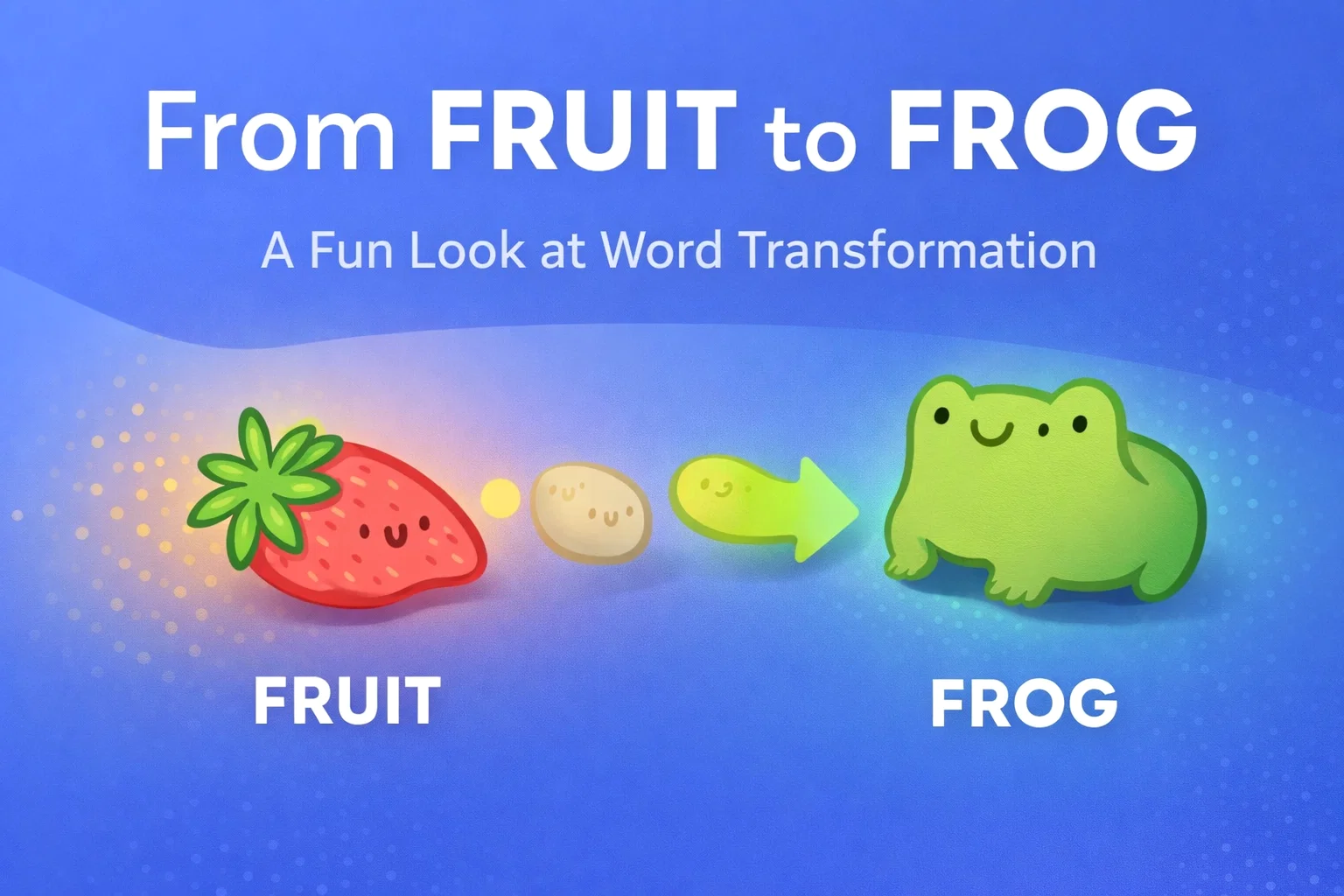
In recent years, the internet has fallen deeply in love with frogs. From viral memes to high-end illustrations, the humble amphibian has become a symbol of tranquility and quirkiness. When you combine this obsession with the vibrant, sweet appeal of summer fruits, you get a design trend that feels both nostalgic and fresh. The Froot poster concept relies on a step by step visual journey where the round, plump body of a frog slowly morphs into the heart-like shape of a strawberry. This transition is satisfying to the eye because it plays with organic geometry, moving from a living creature to a delicious botanical treat through a series of subtle color shifts.
Why Metamorphosis Art Captivates Our Imagination
Art that shows one thing turning into another has a long history, but the modern take is much more accessible and lighthearted. In this specific evolution, we see the frog lose its limbs and signature “froggy” eyes, gradually adopting the seeds and leafy greens of a strawberry. This type of visual storytelling works because it invites the viewer to fill in the gaps. We see the lime green fade into a pale cream, then a soft peach, and finally a bold crimson. It is a lesson in color theory disguised as a cute drawing. For a child, it is a funny story; for an adult, it is a piece of minimalist decor that adds a sense of humor to a room.
Deconstructing the Froot Poster Design
To understand why this specific artwork is so effective for home decor and social media sharing, we have to look at the design elements. The use of negative space is crucial. By placing the characters against a clean, white background, the artist ensures that the colors pop and the “story” of the evolution remains the central focus. The typography is also key. Using a handwritten, bubbly font for the labels like FROG and FRUIT keeps the vibe informal and friendly. This is not a scientific diagram from a biology textbook; it is a piece of art meant to make you smile every time you walk past it.
The Power of Pastel and Earthy Tones
The color palette of a Froot poster typically moves through a very specific range. It starts with a vibrant leaf green, which represents life and the outdoors. As the transformation begins, the colors desaturate into “fro” and “fr,” using muted yellows and beiges. This transition period is essential because it prevents the jump from green to red from being too jarring. Finally, the introduction of the strawberry green topper and the pinkish-red body brings the piece to a satisfying conclusion. These colors are staples of the cottagecore palette, making the art easy to integrate into homes that feature wooden furniture, indoor plants, and soft textiles.
Integrating Whimsical Art into Modern Home Decor
Finding the right place for a piece of art that features a frog turning into a fruit might seem tricky, but its versatility is surprising. Because the design is minimalist, it fits perfectly in several different environments. Whether you are decorating a nursery, a creative studio, or a kitchen, the Froot aesthetic brings a lighthearted energy that breaks up the seriousness of modern living. Many people find that these prints work best as part of a gallery wall, surrounded by botanical sketches or photos of real nature to emphasize the “nature-adjacent” theme of the illustration.
Tips for Styling Your Frog and Fruit Prints
- Frame Choice: Use a light oak or natural wood frame to lean into the cottagecore vibe, or a simple white frame for a more modern, Scandinavian look.
- Lighting: Place the poster in a spot with plenty of natural light. The soft transitions in the art look best when the colors are not washed out by harsh artificial bulbs.
- Companion Pieces: Pair the print with small ceramic frogs or fruit-shaped candles to create a cohesive theme on a shelf or desk.
- Size Matters: A medium sized print (11×14 or A3) is usually the sweet spot for this type of art, allowing the details of the “in-between” stages to be visible without overwhelming the wall.
The Cultural Significance of the Frog in Art
Frogs have held various meanings in art throughout history, ranging from symbols of fertility to harbingers of change. In the context of contemporary “internet art,” the frog represents a rejection of the high-stress, fast-paced digital world. The “Froggy” subculture is all about slowing down, enjoying the rain, and finding beauty in small, round things. By turning the frog into a fruit, the artist is doubling down on this theme of harmless, pure joy. It is a form of escapism that focuses on “low stakes” creativity. There is no deep political message here; just the simple, happy thought of a frog becoming a strawberry.
How Kawaii Culture Influences Today’s Trends
The term “kawaii” originates from Japan and translates to “cute.” However, it has grown into a global design language characterized by simplified features, rounded shapes, and expressive, tiny faces. The Froot poster is a perfect example of this style. Notice how the eyes of both the frog and the strawberry are just simple dots, and the mouths are small curves. This simplification makes the characters more relatable and “huggable” in a visual sense. It taps into a primal human response to find small, round objects endearing, which is why this art is so effective at generating likes and saves on platforms like Pinterest and Instagram.
Why This Art Resonates with the Gen Z and Millennial Audience
There is a specific demographic that has championed the Froot movement. Younger generations who grew up with the internet have developed a taste for “absurdist cute” humor. The idea of a frog evolving into a fruit is just weird enough to be funny, but just cute enough to be genuine. It sits in that perfect middle ground of irony and sincerity. Additionally, as more people move into smaller apartments and urban spaces, there is a growing desire to bring “nature” indoors in whatever way possible. If you cannot have a garden or a pet frog, a high-quality art print of a strawberry frog is the next best thing.
The Role of “Comfort Art” in Mental Wellness
Many fans of this style refer to it as “comfort art.” In a world that often feels chaotic, looking at a series of smiling, evolving creatures provides a small hit of dopamine. It is calming, predictable, and entirely positive. Decorating a workspace with these images can actually help reduce stress during a long workday. It acts as a visual reminder not to take things too seriously and to find wonder in the imagination. The Froot poster is a tiny rebellion against the “hustle culture” aesthetic of sleek, cold, corporate offices.
Choosing the Right Materials for Your Art Prints
When you decide to bring a Froot poster into your home, the quality of the print matters just as much as the design itself. Since this artwork relies on subtle color gradients and clean lines, a high-quality printing process is essential. Look for “Giclée” prints, which use archival inks and acid-free paper. This ensures that the green of your frog doesn’t fade into a muddy brown over time and that the strawberry red stays vibrant for years to come. A matte finish is generally preferred for this style of art, as it eliminates glare and gives the piece a soft, velvety appearance that matches the “soft” theme of the subject matter.
Sustainable Art for a Greener Home
Given that the theme of the art is nature-based, many fans of the Froot aesthetic also prioritize sustainability. When shopping for posters, look for artists who use recycled paper or “print on demand” services that reduce waste. Supporting independent artists on platforms like Etsy or personal webstores often means you are getting a product made with more care and environmental consideration than a mass-produced item from a big-box retailer. This aligns perfectly with the cottagecore philosophy of mindful consumption and appreciation for the arts.
Conclusion: The Lasting Appeal of the Froot Metamorphosis
The Froot poster is more than just a fleeting trend; it is a testament to the power of simple, joyful creativity. By taking two beloved symbols of the natural world and blending them through a whimsical evolution, artists have created a visual language that speaks to our desire for cuteness, color, and comfort. Whether you see it as a clever pun, a lesson in color theory, or just a really cute decoration for your wall, the frog to strawberry transformation reminds us that art doesn’t always have to be serious to be meaningful. Sometimes, the most important thing a piece of art can do is make the world feel a little bit softer and a lot more fun. So, the next time you see a little green frog, don’t be surprised if you start imagining it with seeds and a leafy hat. The Froot revolution is here to stay, one adorable evolution at a time.