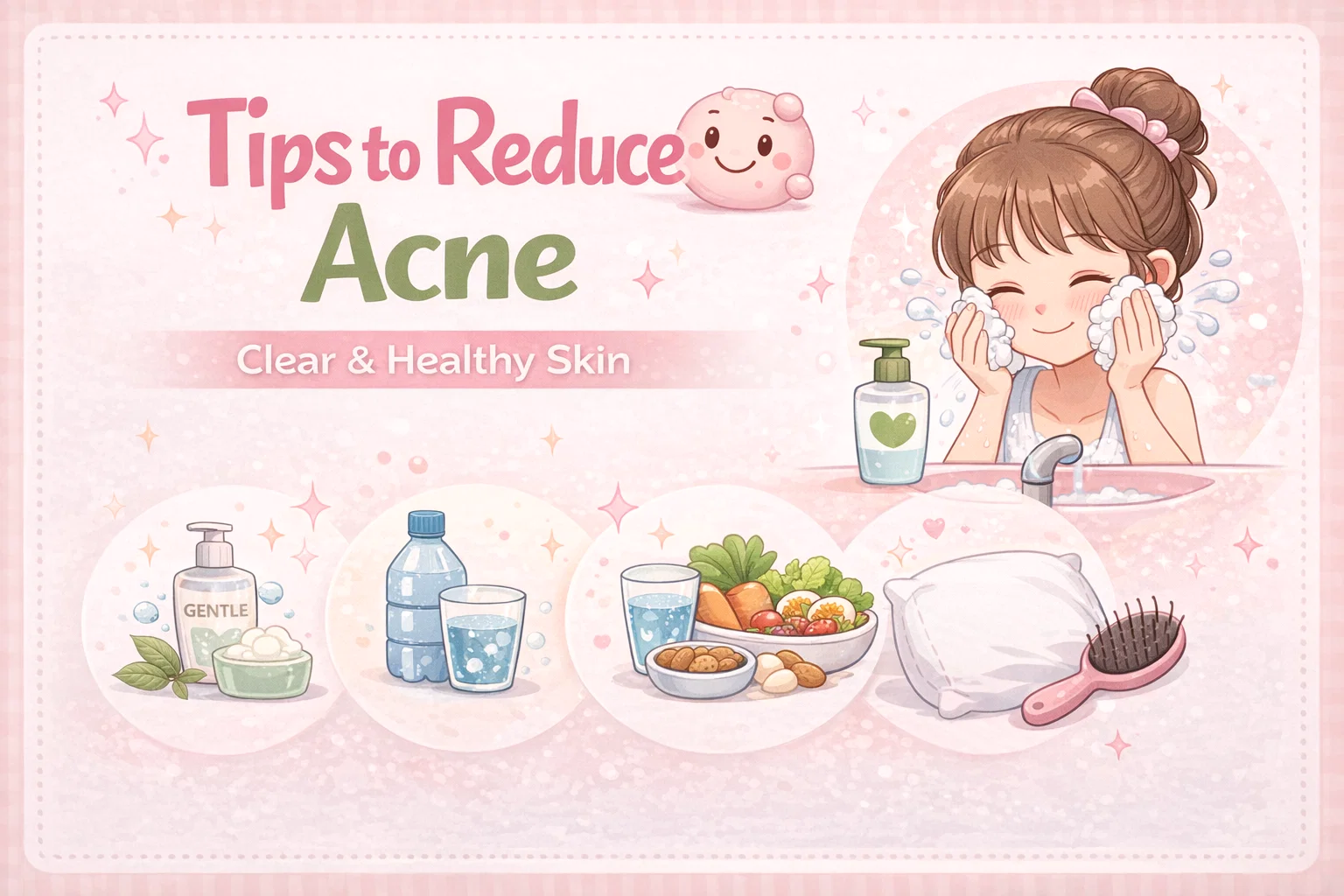
6 Simple Skincare Habits to Clear Acne Fast Natural Acne Treatment Clear Skin Tips
Achieving clear, radiant skin often feels like a never ending battle against biology, environment, and stress. We have all been there, staring into the mirror at a fresh breakout and wondering what went wrong despite our best efforts. The truth is that managing acne is not about finding a single miracle product but rather about cultivating a holistic set of habits that support your skin from the inside out. By focusing on a consistent routine and making mindful lifestyle choices, you can significantly reduce inflammation and prevent future flare-ups. This guide breaks down the most effective strategies for reclaiming your complexion and building a skincare foundation that lasts a lifetime.
The Foundation of Clear Skin Starts with Proper Cleansing
The most important step in any anti acne routine is how you clean your face. It sounds simple, but many people either over wash or use products that are far too harsh for their skin type. To maintain a healthy skin barrier, you should aim to wash your face exactly two times a day. A morning wash removes the sweat and oils produced while you sleep, while a nighttime cleanse is crucial for stripping away the dirt, pollution, and makeup accumulated throughout the day.
Choosing the Right Ingredients for Your Cleanser
When you are shopping for a cleanser, look for specific active ingredients known to combat acne without causing excessive irritation. Salicylic acid is a superstar in this category because it is oil soluble, meaning it can dive deep into your pores to dissolve the glue holding dead skin cells together. This prevents the clogs that eventually turn into pimples.
If you prefer a more natural approach, ingredients like Tea Tree oil and Neem are fantastic alternatives. Tea Tree has natural antibacterial properties that help kill acne causing bacteria on the surface of the skin. Neem is celebrated in traditional skincare for its soothing and purifying effects. Always opt for a gentle formula. If your skin feels tight or squeaky clean after washing, your cleanser is likely too aggressive and might be stripping away the essential moisture your skin needs to protect itself.
Breaking the Habit of Touching Your Face
One of the hardest but most impactful changes you can make is keeping your hands away from your face. Our hands are constantly touching door handles, keyboards, and phones, picking up thousands of bacteria along the way. When you touch your face, you transfer those bacteria directly onto your skin, leading to new infections and clogged pores.
The Danger of Picking and Squeezing
It is incredibly tempting to squeeze a visible whitehead, but this usually does more harm than good. When you pick at a pimple, you are often pushing the bacteria and pus deeper into the follicle, which can lead to a much larger, more painful cyst. Furthermore, physical trauma to the skin causes inflammation that often results in long term scarring or post inflammatory hyperpigmentation. These dark spots can take months to fade, whereas a pimple left alone will usually heal within a week. If you need a physical barrier to stop yourself from picking, try using hydrocolloid pimple patches to keep the area protected and clean.
Moisturizing Is Not Optional for Acne Prone Skin
A common misconception is that people with oily or acne prone skin should skip moisturizer. In reality, skipping this step can actually make your acne worse. When your skin becomes dehydrated, it sends a signal to your sebaceous glands to produce even more oil to compensate for the lack of moisture. This leads to a cycle of greasiness and breakouts.
How to Select a Non Comedogenic Moisturizer
The key is to use the right type of hydration. Look for labels that say oil free and non comedogenic. Non comedogenic is a technical term meaning the product is specially formulated not to block pores. Lightweight gel moisturizers are often the best choice for those with oily skin because they provide a burst of hydration without the heavy, greasy feeling of traditional creams. Keeping your skin hydrated ensures that your skin barrier remains intact, which is your first line of defense against external irritants.
Hydration from Within The Power of Water
While topical products are essential, your skin is an organ that reflects your internal health. Staying hydrated by drinking plenty of water is one of the easiest ways to support skin cell turnover and detoxification. Aim to drink between 2 and 3 liters of water daily to keep your body functioning at its peak.
When you are well hydrated, your skin appears more plump and less dull. Proper water intake helps your kidneys and liver flush out toxins that might otherwise contribute to skin inflammation. Think of water as a natural cleanser that works from the inside out. If you find plain water boring, try infusing it with cucumber or mint for a refreshing twist that also provides a few extra skin loving nutrients.
Fueling Your Skin with a Healthy Diet
What you eat plays a massive role in the clarity of your skin. While everyone’s body reacts differently to certain foods, there is a strong link between high glycemic diets and acne. Processed junk foods, sugary snacks, and greasy fast food can cause spikes in insulin, which in turn triggers an increase in sebum production.
Foods to Embrace for a Clearer Complexion
To support your skin, try to incorporate more whole foods into your daily meals. Focus on these categories:
- Fruits and Vegetables: These are packed with antioxidants like Vitamin C and E, which help fight oxidative stress and inflammation in the body.
- Nuts and Seeds: Foods like walnuts and flaxseeds provide essential fatty acids that help maintain the oil balance of your skin.
- Home Cooked Meals: When you cook at home, you have total control over the ingredients, allowing you to avoid hidden sugars and unhealthy trans fats found in restaurant food.
By shifting your diet toward nutrient dense options, you provide your skin with the building blocks it needs to repair itself and stay clear.
The Silent Acne Triggers Hair and Pillowcases
Sometimes the cause of acne isn’t your skin routine or your diet, but rather the environment you sleep in. Your hair and your bedding can be significant sources of bacteria and oil that transfer to your face throughout the night.
Maintaining a Clean Sleeping Environment
Your hair naturally produces oils, and if you use styling products, those can easily rub off onto your pillowcase and then onto your cheeks. Washing your hair regularly is important, especially if you have an oily scalp. If you prefer not to wash your hair every day, consider sleeping with your hair tied back in a loose silk scrunchie to keep it away from your face.
Pillowcases are another major factor. Over the course of a few nights, a pillowcase accumulates dead skin cells, sweat, hair products, and drool. If you do not change it often, you are essentially pressing your face into a petri dish of bacteria for eight hours every night. Try to change your pillowcase at least twice a week, or even every other night if you are currently experiencing a breakout. Opting for natural fabrics like cotton or silk can also help reduce friction and irritation on sensitive skin.
Consistency Is the Ultimate Secret
The most important thing to remember is that skincare results do not happen overnight. It takes about 28 to 30 days for your skin cells to go through a full cycle of renewal. This means you need to stick with your new habits for at least a month before you can truly judge their effectiveness. It can be frustrating to wait, but consistency is what separates those who achieve clear skin from those who stay stuck in a cycle of breakouts.
Create a schedule that works for you. Set reminders on your phone to drink water, prep your healthy meals for the week on Sundays, and keep a stack of clean pillowcases ready to go. When you make these actions a part of your daily lifestyle rather than a temporary fix, the results will be much more permanent.
A Holistic Approach to Your Best Skin
Reducing acne is a multifaceted journey that involves how you treat your skin, what you put in your body, and how you manage your environment. By following these six essential tips, you are not just treating the symptoms of acne, you are addressing the root causes. Remember to be patient and kind to yourself during the process. Everyone’s skin journey is unique, and progress is rarely a straight line. With the right products, a healthy diet, and a commitment to cleanliness, you can achieve the clear, healthy, and confident skin you deserve.