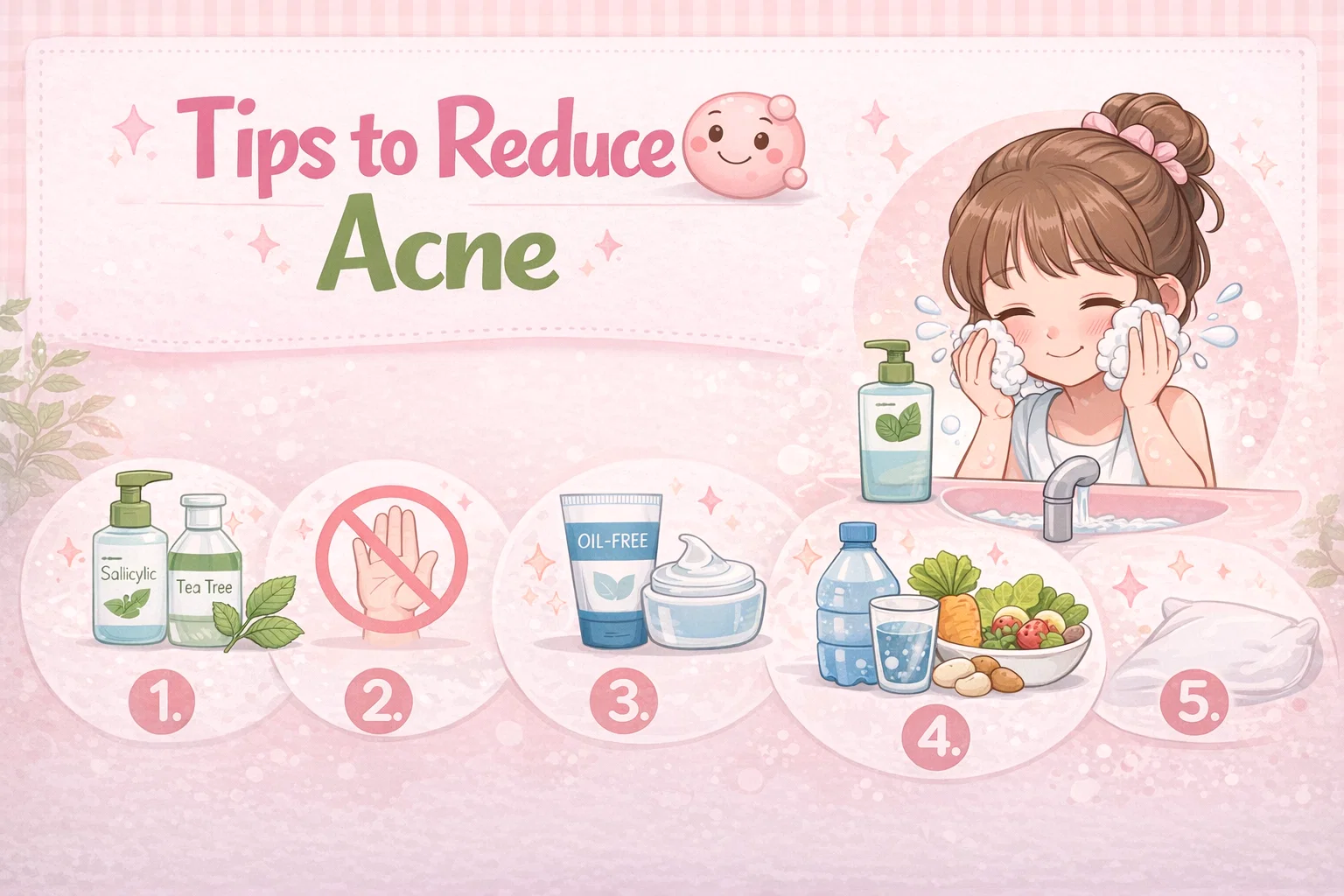
6 Effective Tips to Reduce Acne Fast Clear Skin Skincare Routine for Beginners
Finding the right path to clear skin can often feel like an overwhelming journey filled with trial and error. We have all been there, standing in the skincare aisle and wondering which product will finally be the miracle cure for persistent breakouts. The truth is that achieving a radiant complexion is rarely about one single magic potion. Instead, it is about a holistic approach that combines proper hygiene, smart product choices, and healthy lifestyle habits. When you understand how your skin functions and what it needs to thrive, you can stop guessing and start seeing real results. This guide is designed to take the guesswork out of the equation by providing a clear, actionable roadmap to reducing acne and maintaining the healthy glow you deserve.
The Foundation of Clear Skin: Master Your Cleansing Routine
The most important step in any skincare regimen is how you clean your face. It sounds simple, but many people either overdo it or use the wrong techniques, which can actually lead to more irritation. Consistency is the secret here. You should aim to wash your face two times a day, once in the morning to refresh your skin and once at night to remove the dirt, oil, and environmental pollutants that have accumulated throughout the day.
Choosing the Right Ingredients
When you are browsing for a cleanser, you want to look for specific active ingredients that are proven to fight acne without being too harsh. Salicylic acid is a gold standard in the industry because it penetrates deep into the pores to dissolve the glue holding dead skin cells together. This prevents the clogs that eventually turn into pimples. If you prefer a more natural approach, look for products containing Tea Tree oil or Neem. These botanical powerhouses possess natural antibacterial and anti-inflammatory properties that help calm redness and kill acne-causing bacteria.
The Importance of Being Gentle
It is a common myth that you need to scrub your face hard to get it clean. In reality, aggressive scrubbing can create micro tears in the skin and strip away your natural moisture barrier. Always use a gentle cleanser and apply it using soft, circular motions with your fingertips. Rinse with lukewarm water rather than hot water, as high temperatures can dehydrate the skin and trigger an overproduction of oil to compensate for the dryness.
The Golden Rule: Hands Off Your Face
One of the hardest habits to break is the urge to touch, pick, or squeeze at imperfections. We often do it subconsciously while thinking or out of frustration when a new blemish appears. however, your hands carry a massive amount of bacteria and oils from everything you touch throughout the day. Every time you touch your face, you are transferring those germs directly onto your pores.
The Danger of Squeezing
When you squeeze a pimple, you might think you are helping it heal faster, but you are usually doing the opposite. Squeezing can push the bacteria and inflammation deeper into the dermis, which leads to more severe cystic acne. Furthermore, the physical trauma of picking at your skin often results in long term scarring and post inflammatory hyperpigmentation. If you want a smooth complexion, the best thing you can do is let your skin heal naturally or use a targeted spot treatment to dry out the blemish.
Hydration is Not Optional: Moisturize Daily
Many people with oily or acne prone skin make the mistake of skipping moisturizer because they fear it will make them break out more. This is a significant misconception. When your skin becomes too dry, it sends a signal to your sebaceous glands to produce even more oil to protect itself. This creates a vicious cycle of oiliness and breakouts.
Look for Oil Free and Non Comedogenic Labels
The key is to find the right type of hydration. You should always look for products labeled as oil free and non comedogenic. Non comedogenic is a fancy way of saying the product is specifically formulated not to clog your pores. Lightweight, water based gels or lotions are often the best choice for those struggling with acne. These products provide the necessary moisture to keep your skin barrier intact without adding heavy oils that lead to congestion.
Fueling Your Skin from the Inside Out
While topical treatments are vital, your skin is also a reflection of what is happening inside your body. What you eat and drink plays a massive role in how your skin behaves. If you are feeding your body processed foods and sugar, your skin will likely show it through increased inflammation and oil production.
The Power of Proper Hydration
Water is the ultimate detoxifier. Drinking between two and three liters of water daily helps flush out toxins and keeps your skin cells plump and healthy. When you are well hydrated, your skin is better equipped to repair itself and maintain its elasticity. Carry a reusable water bottle with you throughout the day as a constant reminder to keep sipping.
Maintaining a Skin Friendly Diet
A healthy diet for clear skin involves avoiding junk food, excessively oily snacks, and sugary treats. High glycemic foods can cause spikes in insulin, which in turn can trigger acne flare ups. Instead, focus on eating more of the following:
- Fresh Fruits: Packed with vitamins and antioxidants that fight oxidative stress.
- Vegetables: Specifically leafy greens which are high in Vitamin A.
- Nuts and Seeds: These provide healthy fats and zinc, which are essential for skin repair.
- Home Cooked Meals: Preparing your own food allows you to control the amount of oil and salt in your diet.
Environmental Hygiene: Hair and Bedding
Sometimes the cause of acne isn’t your skin type or your diet, but rather the things that come into contact with your face while you sleep. Your hair and your pillowcase can be unexpected breeding grounds for bacteria and oil.
Keep Your Hair Away from Your Face
Your hair naturally produces oils, and if you use styling products, those can easily transfer to your forehead and cheeks. This often leads to what is known as pomade acne. Make sure to wash your hair regularly, and if you have long hair, consider tying it back in a loose braid or bun while you sleep to keep those oils away from your skin.
The Importance of Fresh Pillowcases
Think about how many hours your face spends pressed against your pillow every night. Over time, pillowcases collect sweat, dead skin cells, and hair products. If you are not changing your pillowcase often, you are essentially lying on a layer of bacteria every single night. Aim to change your pillowcase at least twice a week. Many experts also recommend switching to silk or satin pillowcases, as they are less abrasive on the skin and do not absorb as much moisture and product as cotton does.
Developing a Sustainable Routine
Achieving clear skin is a marathon, not a sprint. It takes time for your skin to cycle through new cells and for treatments to show their full effect. It is important to be patient and stick to your routine even if you do not see changes overnight. Most skincare products require at least four to six weeks of consistent use before you can truly judge their effectiveness.
Listening to Your Skin
Everyone’s skin is unique. While the tips provided here are universally beneficial, it is important to pay attention to how your specific skin reacts to different products. If a certain cleanser makes your face feel tight or itchy, it might be too strong for you. If a moisturizer feels too heavy, try a lighter formula. Learning to read your skin’s signals is a skill that will serve you well for the rest of your life.
A Final Word on Self Care and Confidence
Acne can be frustrating and can sometimes take a toll on your self esteem, but it is important to remember that it is a very common condition that almost everyone experiences at some point. By following these six steps, cleaning properly, keeping your hands away, moisturizing, hydrating, eating well, and maintaining clean surroundings, you are taking proactive control of your health.
Clear skin is not just about looking good in photos, it is about feeling comfortable and confident in your own skin. Start implementing these changes today, and over time, you will likely notice a significant improvement not just in your complexion, but in your overall sense of well being. Your skin is your largest organ, and it deserves to be treated with kindness and care. Stay consistent, stay positive, and enjoy the journey toward a clearer, healthier you.