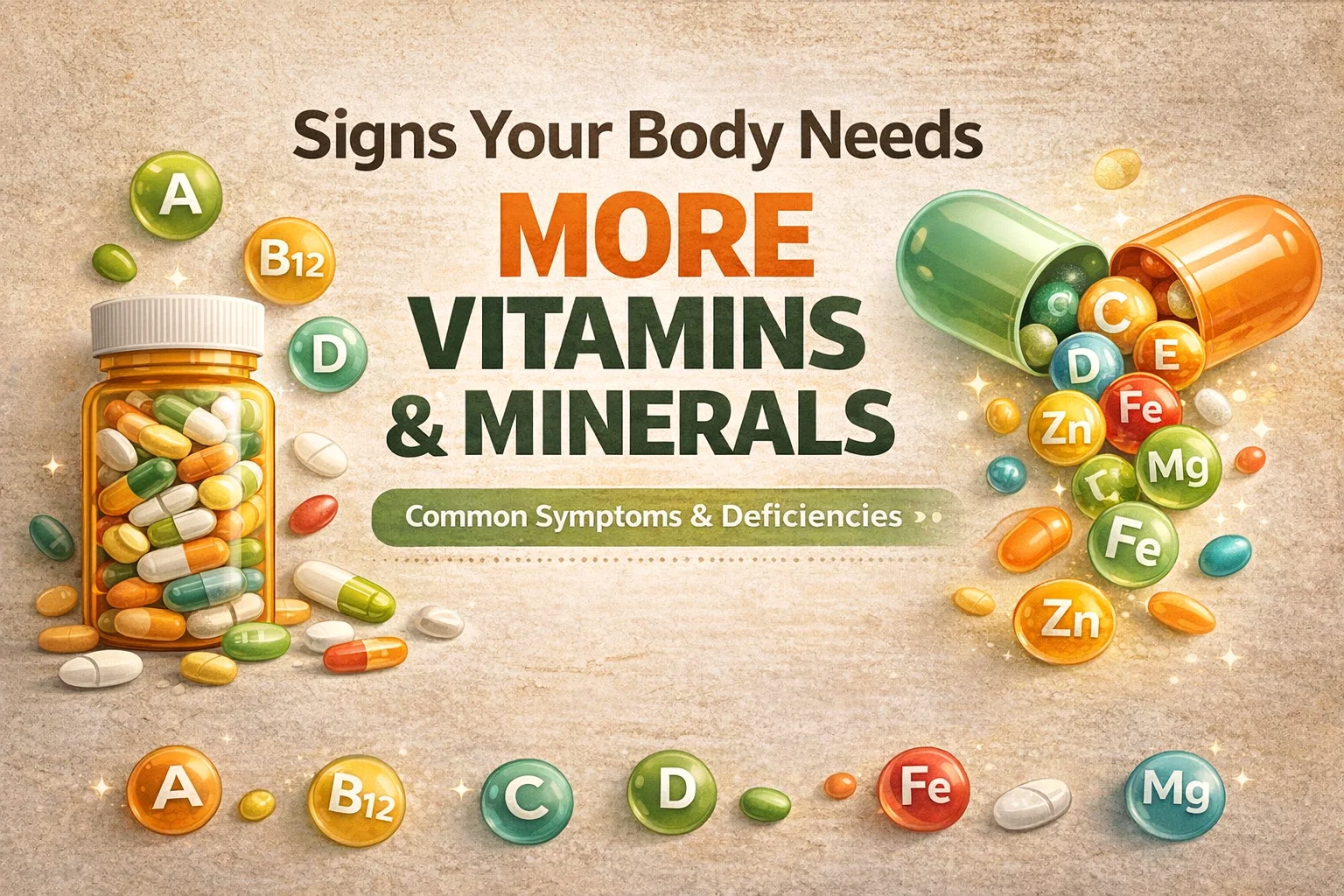
Essential Minerals and Vitamins Guide for Common Health Issues and Symptoms
Have you ever felt like your body was sending you cryptic messages through a series of small, nagging symptoms? Perhaps it is a sudden bout of dry skin that won’t go away despite expensive lotions, or maybe it is a persistent twitch in your leg that keeps you up at night. Often, we brush these issues off as signs of aging or stress, but the truth is usually much more fundamental. Our bodies are complex biological machines that rely on a specific set of raw materials to function at their peak. These materials are the vitamins and minerals that often go unnoticed until they are missing. Understanding the connection between what we feel and what we consume is the first step toward reclaiming your vitality and ensuring your long term health.
The Foundation of Human Biochemistry
To understand why a lack of Vitamin A causes dry skin or why Magnesium affects your heart rate, we have to look at the cellular level. Every single second, millions of chemical reactions are occurring inside you. These reactions manage everything from your heartbeat to the way your brain processes a memory. Enzymes are the workers that carry out these tasks, but they cannot do it alone. They require cofactors, which are essentially the tools of the trade. These tools are the vitamins and minerals listed in our guide. Without them, the work slows down or stops entirely, leading to the symptoms we often mistake for random ailments.
Micronutrients versus Macronutrients
Most of us focus heavily on macronutrients like proteins, fats, and carbohydrates. While these provide the fuel and building blocks for our muscles, micronutrients are the spark plugs. You can have a full tank of gas, but without the spark, the engine won’t turn over. This is why you might feel fatigued even if you are eating plenty of calories. If you are missing Pantothenic Acid, also known as Vitamin B5, your body struggles to convert those calories into usable energy. It is not about eating more; it is about eating smarter and ensuring your nutrient profile is complete.
Addressing Skin and External Health
The skin is the largest organ of the body and often the first place where internal deficiencies become visible. If you are noticing dry, flaky skin, your body might be screaming for Vitamin A. This vitamin is essential for cellular turnover and maintaining the integrity of your skin barrier. When it is low, the skin cannot retain moisture or repair itself effectively. Similarly, Zinc plays a massive role in skin health. If you notice lesions or slow healing wounds, it might be because Zinc is required for collagen synthesis and immune function within the dermal layers.
Hair and Nail Vitality
Hair loss and brittle nails are common complaints that lead people to spend hundreds on topical treatments. However, the problem is usually internal. Biotin is perhaps the most famous nutrient for hair growth, acting as a key player in the production of keratin. But it does not work in a vacuum. Selenium is another critical mineral for hair issues. It helps the body process protein and protects hair follicles from oxidative stress. If your hair is thinning or losing its luster, looking at your Biotin and Selenium intake is a logical and effective starting point.
The Mental and Emotional Connection
One of the most overlooked aspects of nutrition is its impact on our mood and cognitive function. It is a startling realization for many that feelings of depression can sometimes be linked to a Vitamin D deficiency. Vitamin D acts more like a hormone than a vitamin, influencing neurotransmitters in the brain that regulate mood. During the winter months or for those who spend most of their time indoors, this deficiency is incredibly common and can lead to a heavy, lethargic mental state.
Memory and Cognitive Clarity
Are you experiencing frequent brain fog or memory loss? Before you worry about serious neurological conditions, consider your Vitamin B12 levels. B12 is vital for the health of your nerve cells and the production of DNA. A deficiency can lead to confusion and forgetfulness. Furthermore, Niacin, or Vitamin B3, has been studied extensively for its role in brain health, particularly concerning symptoms associated with dementia. By ensuring your brain has the chemical support it needs, you can maintain sharper focus and better memory retention as you age.
Muscular and Physical Performance
Muscle weakness and cramps are clear signals from the musculoskeletal system. If you find your muscles feel heavy or weak, Vitamin E might be the missing link. As a powerful antioxidant, Vitamin E protects your cells from damage and supports muscle repair. On the other hand, the painful experience of muscle cramps is a classic sign of Calcium deficiency. While we often associate Calcium only with bones, it is actually the primary mineral responsible for muscle contraction and relaxation. Without enough Calcium, the muscle fibers cannot “unlock” after a contraction, leading to that familiar, sharp pain.
The Mystery of Restless Leg Syndrome
Restless Leg Syndrome is a frustrating condition that can ruin a good night of sleep. It is often described as an irresistible urge to move the legs, accompanied by uncomfortable sensations. Research has shown a strong correlation between this condition and Iron levels. Iron is necessary for the production of dopamine in the brain, which controls movement and coordination. A simple increase in Iron rich foods or supplementation can often provide the relief that specialized medications cannot.
Internal Systems and Cardiovascular Health
Your heart is a muscle that never rests, and it requires a constant supply of specific minerals to maintain its rhythm. Heart palpitations can be terrifying, but they are frequently caused by a lack of Magnesium. Magnesium regulates the transport of other minerals across cell membranes, which is essential for the electrical impulses that trigger your heartbeat. Similarly, Potassium is critical for managing arrhythmia. Because Potassium and Sodium work in a delicate balance to control fluid levels and electrical signals, an imbalance in either can lead to confusion or irregular heart patterns.
Thiamin and Heart Function
Vitamin B1, or Thiamin, is another heavy hitter for cardiovascular issues. It helps the body convert carbohydrates into energy and is vital for heart and nerve function. A severe lack of Thiamin can lead to a weakened heart muscle, making it harder for your body to circulate blood efficiently. This shows how a single vitamin can have a cascading effect on the most vital organs in your body.
Metabolism and Chronic Conditions
The modern diet is often high in processed sugars, which can wreak havoc on our insulin sensitivity. Chromium is a trace mineral that plays a massive role in managing Type 2 Diabetes. It enhances the action of insulin, the hormone that allows your body to use sugar for energy. By ensuring adequate Chromium intake, you can help stabilize your blood sugar levels and reduce cravings. This is a perfect example of how minerals act as regulators for the complex metabolic processes that keep us alive.
The Role of Copper and Bone Health
While Calcium gets all the credit for strong bones, Copper is a silent partner in bone health. Copper is involved in the formation of collagen and elastin, which provide the structural framework for your bones. If you have bone abnormalities or are concerned about bone density, focusing solely on Calcium is a mistake. You need Copper to ensure that the bone matrix is flexible and strong enough to support your weight and resist fractures.
Fighting Inflammation and Infection
Chronic inflammation is the root cause of many modern diseases, ranging from arthritis to heart disease. Riboflavin, or Vitamin B2, is an essential tool in the fight against inflammation. It works as an antioxidant and helps the body break down proteins, fats, and carbohydrates. When you have enough Riboflavin, your body is better equipped to manage the inflammatory response and keep your joints and tissues healthy.
Boosting the Immune System
We all know that Vitamin C is the go to for a cold, but its role in preventing chronic infections is even more profound. Vitamin C stimulates the production of white blood cells and acts as a powerful protector against oxidative stress. If you find yourself getting sick frequently, it is a clear sign that your internal defenses are low and need a boost of this essential nutrient. Furthermore, Folate is critical for cellular repair and the prevention of birth defects, highlighting how essential these nutrients are even before we are born.
Practical Steps for Nutritional Balance
Knowing which vitamins and minerals you need is only half the battle. The next step is incorporating them into your daily life. The best way to do this is through a diverse diet rich in whole foods. Leafy greens, nuts, seeds, lean proteins, and vibrant fruits are the best delivery systems for these nutrients. Supplements can help fill the gaps, but they should never be the primary source. Your body is designed to recognize and absorb nutrients in their natural form, surrounded by the enzymes and cofactors found in whole foods.
Testing and Professional Guidance
Before starting any heavy supplementation, it is always a good idea to consult with a healthcare provider. A simple blood test can reveal exactly where you are deficient, allowing you to target your efforts effectively. This scientific approach removes the guesswork and ensures you are not overcomplicating your routine with vitamins you already have in abundance. Remember, balance is the goal, not excess.
Conclusion
Your journey to better health does not have to be a mystery. By paying attention to the signals your body sends, you can identify the specific vitamins and minerals you might be missing. Whether it is adding more Magnesium to stop those heart palpitations or increasing your Vitamin D intake to brighten your mood, these small changes can lead to a massive transformation in how you feel every day. Your body is a masterpiece of biological engineering, and it deserves the very best materials to keep it running smoothly. Start today by listening to what your skin, your heart, and your mind are telling you. The road to wellness is paved with the right nutrients, and you have the map right in front of you.