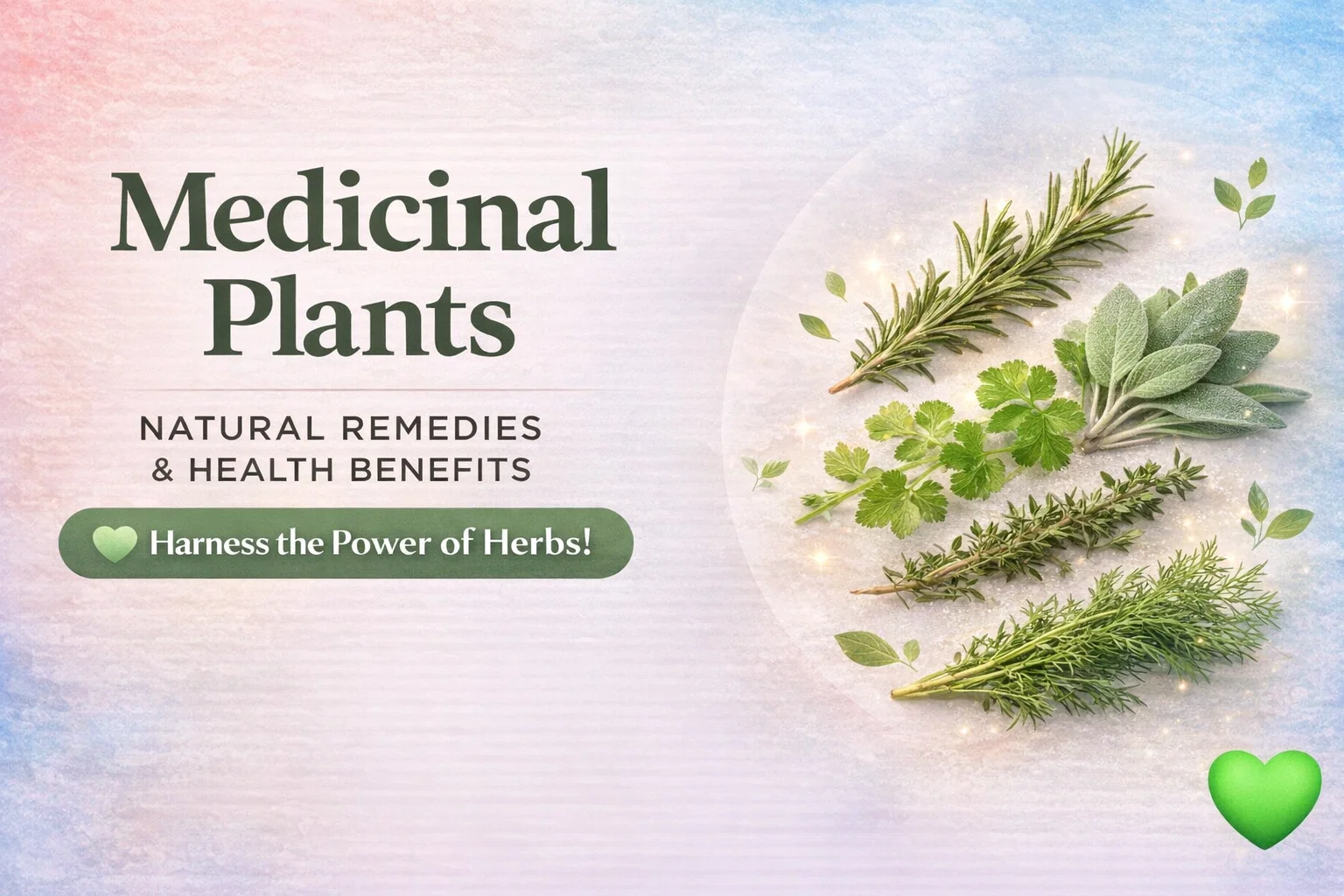
Medicinal Plants Guide Healing Herbs Benefits
Have you ever opened your kitchen pantry and realized you were staring at a vibrant, natural apothecary? For centuries, human beings have turned to the earth for healing, comfort, and vitality. Long before modern medicine, our ancestors relied on the profound power of medicinal plants and herbs to support their physical and mental well-being. Today, there is a beautiful resurgence in holistic living. More and more people are returning to these ancient roots to find balance in their fast-paced, modern lives. It is incredibly empowering to know that the very same spices you use to flavor your evening meals can also be used to craft soothing teas, nourishing tinctures, and healing compresses.
The journey into holistic and herbal remedies does not require a degree in botany or a sprawling, manicured garden. In fact, some of the most potent medicinal plants are likely sitting on your spice rack right now. Everyday herbs possess incredible properties that can help with everything from boosting your immune system to calming a restless mind. By understanding the specific benefits of these familiar green leaves, you can take an active, natural role in your own health and wellness journey.
The Incredible Power of Kitchen Herbs
When we talk about natural remedies, it is easy to imagine rare roots harvested from distant mountain ranges. However, the herbs we casually sprinkle over roasted vegetables or toss into soups are packed with volatile oils, antioxidants, and essential vitamins. These compounds interact with our bodies in deeply synergistic ways. Unlike synthetic alternatives that often target a single symptom, whole herbs offer a complex profile of healing properties that support the body as a complete system.
Incorporating medicinal plants into your routine is not just about physical health. It is also an invitation to slow down. The simple act of brewing a cup of herbal tea or preparing a DIY herbal sinus compress can become a grounding daily ritual. It forces us to pause, breathe in the aromatic essential oils, and reconnect with nature. Let us dive deep into some of the most accessible and powerful healing herbs you can start using today.
Your Guide to Everyday Medicinal Plants and Their Benefits
Understanding the unique profile of each herb allows you to customize your natural wellness toolkit. Below is a comprehensive guide to several incredible plants, detailing exactly how they can support your mind, body, and spirit.
Rosemary: The Herb of Remembrance and Clarity
Rosemary is a robust, fragrant evergreen herb native to the Mediterranean region. It has a long and storied history, famously known as the herb of remembrance. Ancient Greek scholars would actually wear wreaths of fresh rosemary around their heads while taking examinations to improve their recall. Modern science is beginning to catch up with this ancient wisdom, showing that the aroma of rosemary can significantly enhance concentration, boost memory, and increase overall cognitive performance.
Beyond its brain-boosting benefits, rosemary is excellent for stimulating circulation. Improved blood flow means more oxygen is delivered to your organs and extremities, leaving you feeling energized and revitalized. If you often experience cold hands and feet, incorporating more rosemary into your diet might offer some natural relief.
How to use it: To harness the cognitive benefits of rosemary, try creating a strong herbal infusion. Steep a sprig of fresh rosemary in hot water for ten minutes, strain, and enjoy this invigorating tea during your mid-afternoon slump instead of reaching for another cup of coffee. You can also inhale rosemary essential oil directly from the bottle before a deep-work session to sharpen your focus.
Estragon: A Gentle Path to Relaxation
Estragon, which is more commonly known in culinary circles as tarragon, is a highly aromatic herb with a subtle, licorice-like flavor. While it is famous for elevating French cuisine, its medicinal properties are equally impressive and deserve a place in your holistic toolkit. Estragon is deeply valued for its ability to promote light sleep, encourage profound relaxation, and provide a general sense of bodily comfort.
This herb works as a mild natural sedative. It helps to calm the central nervous system, making it a fantastic remedy for those evenings when your mind is racing and you cannot seem to wind down. By easing tension in the body, estragon prepares you for a restorative night of rest without the groggy side effects often associated with over-the-counter sleep aids.
How to use it: Create a calming evening ritual by brewing estragon tea about an hour before bedtime. Add a teaspoon of dried estragon to a mug of boiling water, let it steep, and sip it slowly in a dimly lit room. The act of drinking the warm tea combined with the herb’s relaxing properties will signal to your body that it is time to sleep.
Persil: The Ultimate Green Detoxifier
Persil, widely known as parsley, is perhaps the most underestimated herb in the world. Often relegated to the side of a dinner plate as a mere garnish, parsley is actually a nutritional powerhouse. It is packed with incredibly high levels of essential vitamins, particularly Vitamin C and Vitamin K, making it a frontline defender for your immune wellness.
In addition to boosting your immunity, parsley is a phenomenal natural diuretic. It supports the kidneys and liver in flushing out toxins, helping to maintain a healthy toxin balance within the body. Regular consumption of parsley can help reduce water retention and leave you feeling cleansed and refreshed from the inside out.
How to use it: To truly benefit from parsley, you need to consume it in larger quantities than a simple garnish. Blend a generous handful of fresh parsley into your morning green smoothie, or juice it alongside apples, ginger, and lemon for a potent, immune-boosting wellness shot. You can also make a refreshing parsley tea to support your kidneys during a gentle detox phase.
Sage: The Ancient Digestive Healer
The botanical name for sage is Salvia, which is derived from the Latin word “salvare,” meaning “to save” or “to heal.” This powerful linguistic root hints at the immense respect our ancestors had for this plant. In the realm of holistic health, sage is highly regarded for its ability to soothe the digestive tract and promote optimal intestinal balance.
If you suffer from frequent digestive discomfort, painful gas, or bloating after meals, sage can offer rapid and gentle relief. It contains compounds that help relax the smooth muscles of the digestive tract, allowing food to pass more comfortably and reducing the buildup of painful gas.
How to use it: When you feel a stomach ache coming on after a heavy meal, reach for sage. Steep a few fresh or dried sage leaves in hot water for five to ten minutes. Sipping this warm, earthy tea will quickly ease digestive spasms and restore comfort to your gut.
Thyme: Lightness and Vitality for the Gut
Thyme is a delicate-looking herb that packs an incredibly powerful punch. Like sage, thyme is a champion of digestive wellness. It is particularly effective at eliminating gas and promoting a feeling of physical lightness, combating that sluggish, heavy feeling that often follows a rich meal.
Shutterstock
Explore
The secret behind the efficacy of thyme lies in its primary active compound, thymol. Thymol is a strong natural antimicrobial and antispasmodic agent. It helps to balance the flora in your gut while simultaneously relaxing the muscles of the stomach and intestines. This dual-action approach makes thyme an essential herb for maintaining long-term gastrointestinal health.
How to use it: Thyme is incredibly versatile. You can easily incorporate large pinches of dried thyme into your soups, stews, and roasted vegetables. For a more concentrated medicinal dose, a thyme infusion works wonders. Combine thyme with a slice of fresh lemon and a touch of raw honey for a delicious tea that soothes the stomach and supports the immune system simultaneously.
Cilantro and Coriander: The Calming Botanicals
Cilantro and coriander come from the exact same plant, Coriandrum sativum. Cilantro refers to the fresh, leafy green parts of the plant, while coriander refers to the dried seeds. Despite their different flavor profiles, both parts of the plant share remarkably similar medicinal benefits, specifically in the realm of mental and emotional well-being.
Both cilantro and coriander are highly celebrated for their ability to promote relaxation, support emotional balance, and soothe mild nervousness. In a world that constantly demands our attention and energy, feelings of mild anxiety and stress are incredibly common. These herbs offer a gentle, natural way to take the edge off and return to a state of emotional equilibrium.
How to use it: To soothe your nervous system, try incorporating coriander seeds into your cooking. Toasting the seeds lightly in a dry pan before grinding them releases their calming essential oils. For emotional healing, you might also consider creating intentional spaces in your day. Just as you might use a rose ritual for emotional healing to connect with your heart space, taking a moment to mindfully chop fresh cilantro and inhale its bright, grounding scent can instantly anchor you in the present moment and ease mild nervousness.
Transforming Knowledge into Daily Holistic Habits
Reading about the benefits of medicinal plants is just the first step. The true magic happens when you bring these herbs off the page and into your daily routine. Building a holistic lifestyle does not mean changing everything overnight. It is about making small, intentional choices that accumulate over time.
Start by choosing just one or two herbs that resonate with your current needs. If you are struggling with afternoon brain fog, commit to drinking a cup of rosemary tea every day at 2:00 PM. If your digestion feels sluggish, make a habit of adding a sprinkle of fresh sage or thyme to your dinners. Pay attention to how your body responds. Over time, you will intuitively know which herbs to reach for when you need comfort, energy, or healing.
You can also explore topical applications. Herbs are not just for eating and drinking. Exploring external remedies, like crafting a DIY herbal sinus compress using hot water and aromatic herbs, can provide immediate, localized relief for congestion and tension. The possibilities for natural healing are truly endless when you learn to work in harmony with nature.
Conclusion: Cultivating Your Natural Apothecary
Mother Nature has provided us with an abundant pharmacy right outside our doors and right inside our kitchen cabinets. By recognizing the profound medicinal value of everyday plants like rosemary, estragon, persil, sage, thyme, cilantro, and coriander, we empower ourselves to take charge of our holistic health. These natural remedies offer a gentle, effective way to support digestion, boost immunity, enhance cognitive function, and find emotional balance in a chaotic world.
As you move forward, I encourage you to look at your spice rack with fresh eyes. Those little jars hold more than just flavor; they hold generations of healing wisdom. Start experimenting with herbal teas, intentional cooking, and natural wellness practices today. Your body, mind, and spirit will thank you for returning to the simple, profound healing power of plants.
Would you like me to generate some optimized Pinterest pin titles or a set of social media captions to help promote this blog post?