DIY OxiClean Alternative Natural Homemade Stain Remover Laundry Deodorizer Recipe
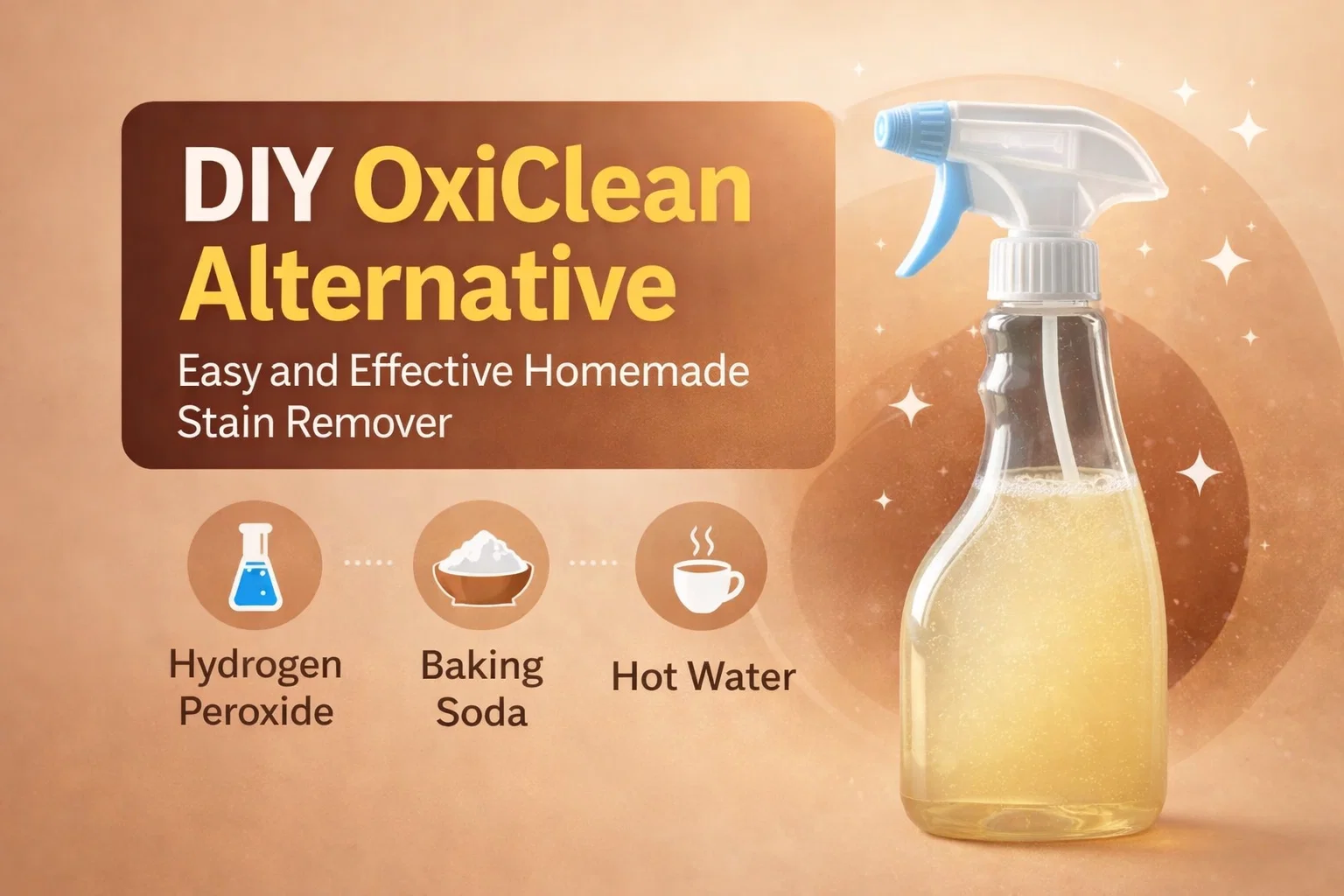
Finding an effective stain remover that does not break the bank or fill your home with harsh chemicals can feel like a never ending quest. We have all been there: a splash of red wine on the carpet, a coffee drip on a favorite white shirt, or muddy paw prints on the upholstery. While commercial cleaners like OxiClean are household staples for a reason, they often come with a hefty price tag and a list of synthetic ingredients that might not align with a natural lifestyle. Fortunately, the secret to a spotless home is likely sitting in your pantry and medicine cabinet right now. By combining hydrogen peroxide, baking soda, and hot water, you can create a powerful DIY alternative that rivals any store bought brand.
The Science of Clean: Why This DIY Formula Works
To understand why this three ingredient mixture is so effective, we have to look at the chemistry of the ingredients. It is not just magic; it is a specific chemical reaction that targets organic stains at the molecular level. When you understand how these components interact, you can use them more effectively throughout your entire home.
Hydrogen Peroxide: The Natural Whitener
Hydrogen peroxide is often referred to as an oxygen based bleach. Unlike chlorine bleach, which can be corrosive and emit toxic fumes, hydrogen peroxide breaks down into water and oxygen. When it comes into contact with a stain, it releases oxygen molecules that help break the chemical bonds of the pigment. This process, known as oxidation, effectively lifts colors and organic matter without damaging the structural integrity of most fabrics. It is particularly brilliant for protein based stains like blood, sweat, or food spills.
Baking Soda: The Deodorizer and Abrasive
Sodium bicarbonate, or baking soda, is a multitasking powerhouse. In this recipe, it serves two main purposes. First, it acts as a mild abrasive to help lift physical particles from the fibers of your carpet or clothing. Second, it is a natural pH neutralizer. Most unpleasant odors are acidic or basic in nature, and baking soda brings them to a neutral state, effectively eliminating smells rather than just masking them. When mixed with liquid, it also creates a slight fizzing action that helps the peroxide penetrate deeper into the fabric.
Hot Water: The Catalyst
While it might seem like a simple filler, hot water is essential for dissolving the baking soda completely. If the water is too cold, the baking soda can remain grainy, which might clog your spray bottle nozzle or leave a white residue on your fabrics. Heat also accelerates the chemical reaction of the peroxide, making the solution more active and ready to tackle tough grime the moment it hits the surface.
How to Make Your Homemade Stain Remover
Creating this mixture is incredibly simple and takes less than five minutes. However, because the reaction between the ingredients is most potent when fresh, it is helpful to follow a specific preparation method to ensure the best results.
Gather Your Supplies
- 1/2 cup Hydrogen Peroxide: Use the standard 3 percent concentration found at most pharmacies.
- 1/2 cup Baking Soda: Ensure it is fresh for the best deodorizing properties.
- 1 cup Hot Water: Use water that is hot to the touch but not boiling, as extreme heat can cause the peroxide to decompose too quickly.
- Mixing Bowl and Spoon: To ensure everything is fully dissolved before bottling.
- Opaque Spray Bottle: Hydrogen peroxide breaks down when exposed to light, so an amber or solid colored bottle is best if you plan to keep the leftovers for a few days.
The Mixing Process
Start by pouring the hot water into your mixing bowl. Slowly add the baking soda, stirring constantly. You want to ensure that every last grain of powder is dissolved to prevent your spray bottle from clogging. Once the water is clear, gently stir in the hydrogen peroxide. Avoid shaking the mixture vigorously, as the release of oxygen can create pressure. Carefully pour the liquid into your spray bottle, and you are ready to start cleaning.
Top Uses for Your DIY OxiClean Alternative
This solution is incredibly versatile. Because it is non toxic and relatively gentle, you can use it on a variety of surfaces that you might otherwise hesitate to treat with industrial chemicals.
Revitalizing Laundry and Whites
The most common use for this formula is as a laundry pre-treater. For yellowing underarm stains on white t-shirts or grass stains on children’s jeans, spray the solution directly onto the affected area. Let it sit for about ten minutes to allow the oxidation process to work. For overall brightening, you can even add a cup of this mixture directly to the wash cycle. It works wonders on dingy towels and bed linens, restoring that crisp, clean look without the smell of bleach.
Tackling Carpet and Upholstery Spills
Carpet stains are a nightmare because you cannot simply throw the floor into the washing machine. This DIY spray is a lifesaver for living room mishaps. After blotting up any excess liquid from a fresh spill, spray the area generously with your homemade cleaner. Let it sit for at least five minutes. You will likely see a bit of bubbling, which means it is working. Blot the area with a clean, dry cloth until the stain is gone. This is especially effective for pet accidents because the baking soda neutralizes the uric acid odors that often linger.
Cleaning Tile and Grout
If your bathroom or kitchen grout is looking a bit grey, this mixture can help. Spray it along the grout lines and let it sit for ten to fifteen minutes. The bubbling action helps lift dirt and mildew out of the porous grout. Give it a quick scrub with an old toothbrush, rinse with water, and you will be amazed at how much brighter the room looks.
Important Tips for Best Results
While this natural cleaner is safe and effective, there are a few professional tips you should keep in mind to ensure you do not accidentally damage your belongings or waste your efforts.
The Importance of Spot Testing
Even though this recipe is more natural than store bought alternatives, hydrogen peroxide does have mild bleaching properties. Before you spray it in the middle of your navy blue velvet sofa, always test it on a small, inconspicuous area. Wait for it to dry completely to ensure there is no color lifting or fabric damage. It is generally safe for colorfast fabrics, but it is always better to be safe than sorry.
Use It While It Is Fresh
Hydrogen peroxide starts to lose its extra oxygen molecule the moment it is exposed to air and light. This means your DIY cleaner is at its most powerful immediately after mixing. If you have leftovers, store them in a cool, dark place in an opaque bottle, but try to use the solution within a few weeks for maximum effectiveness. If it stops bubbling when applied to a stain, the peroxide has likely turned into plain water, and it is time to mix a new batch.
Avoid Certain Fabrics
You should avoid using this specific mixture on delicate fabrics like silk or wool. The alkaline nature of baking soda and the oxidizing power of peroxide can be too harsh for these natural protein fibers, potentially making them brittle or causing discoloration. Stick to cotton, polyester, nylon, and other durable synthetics.
The Benefits of Switching to DIY Cleaners
Transitioning to a homemade cleaning routine offers more than just a clean house. It provides a sense of empowerment and peace of mind that is hard to find with commercial products. When you make your own supplies, you know exactly what is going into your environment and onto your skin.
Saving Money Every Month
Cleaning products are surprisingly expensive, especially those marketed as eco-friendly or premium. By purchasing baking soda and hydrogen peroxide in bulk, you can make gallons of cleaner for a fraction of the cost of a single name brand bottle. This frees up your household budget for things that are more exciting than laundry supplies.
Reducing Chemical Exposure
Modern homes are often filled with volatile organic compounds (VOCs) and synthetic fragrances that can irritate the respiratory system and skin. For families with young children, pets, or individuals with allergies, reducing these triggers is essential. This DIY OxiClean alternative is biodegradable and breaks down into harmless substances, making it a much friendlier choice for the planet and your family.
Final Thoughts on Natural Cleaning
The journey toward a cleaner, more sustainable home does not have to be complicated or expensive. Sometimes, the most effective solutions are the ones that have been around for generations. This DIY OxiClean alternative is a perfect example of how simple science can solve everyday problems. Whether you are dealing with a one time laundry emergency or looking to overhaul your entire cleaning cabinet, this recipe provides a reliable, powerful, and safe way to keep your home looking its best. Next time you encounter a stubborn stain, skip the chemical aisle at the grocery store and head straight for your pantry. You might just find that nature provides the best clean of all.